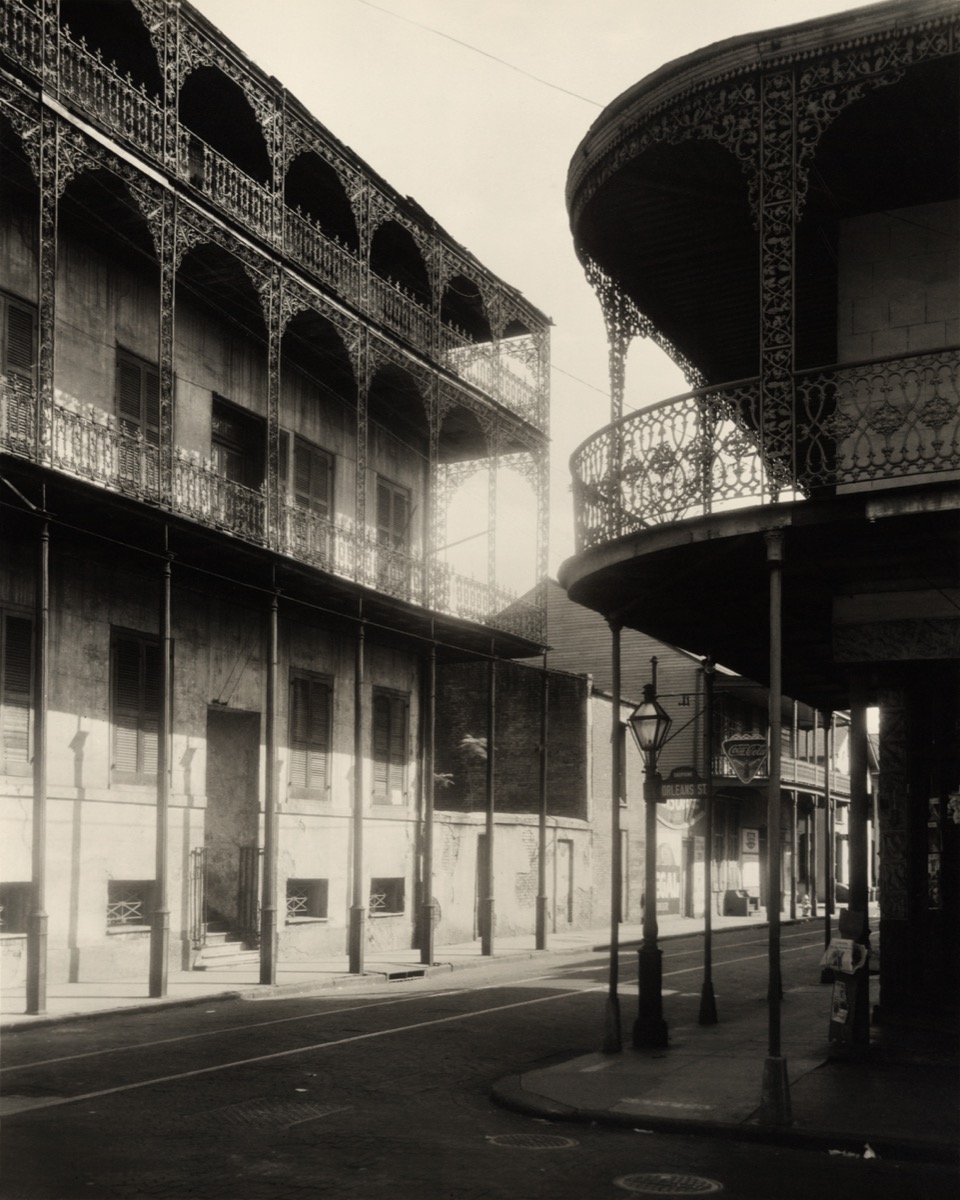
The Sultan's Palace at 716 Dauphine Street in New Orleans is famous for an 1800s slaughter of a Turkish sultan's harem. There are no records of it, in any archive. The massacre is a 1922 invention. The house still seems to be occupied by someone.
The mansion at 716 Dauphine Street in New Orleans is called the Sultan's Palace, and the story behind the name is one of the bloodiest in the French Quarter. A Turkish sultan's brother is said to have rented the house, filled it with women, children, and servants, and then died there with all of them in a single night, the whole household hacked apart and the blood running down the front steps.
Here is the part nobody mentions on the tour. It never happened.
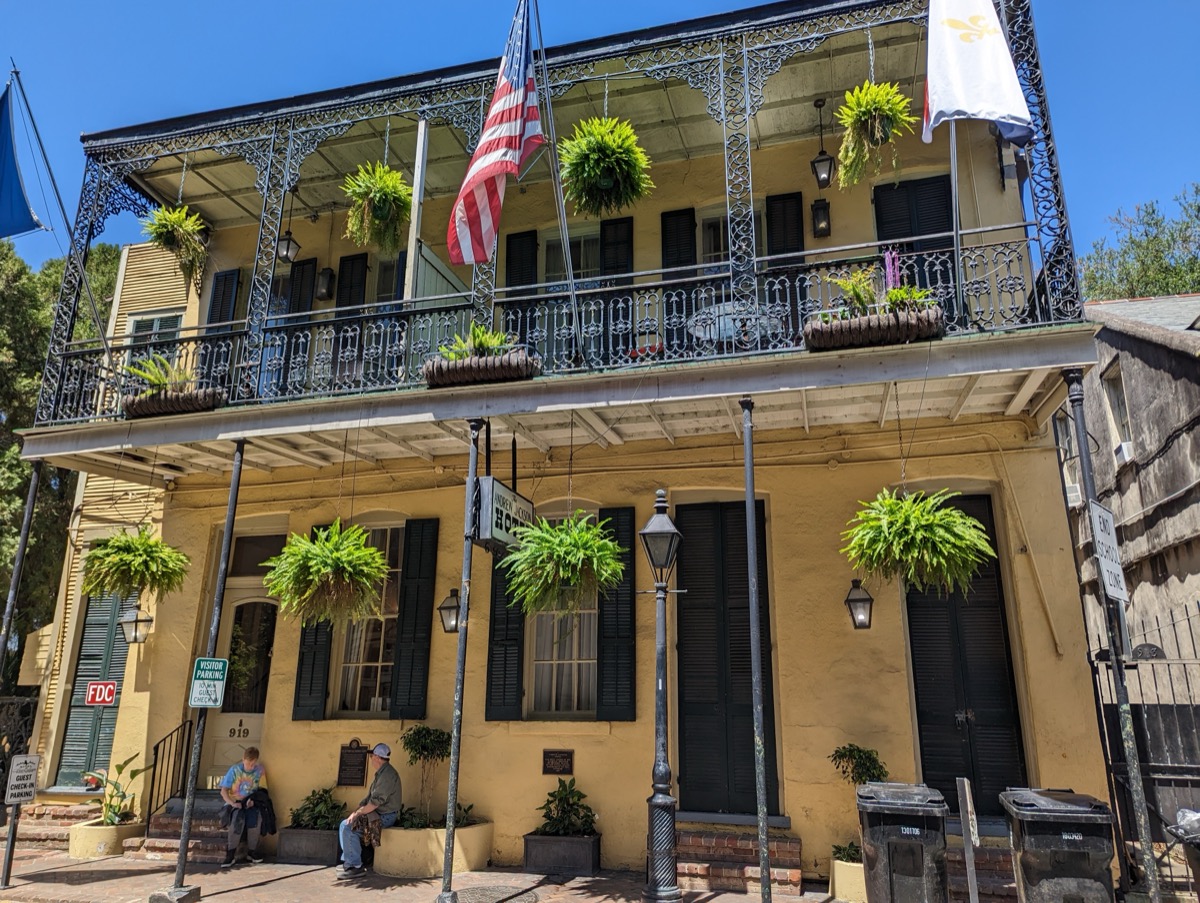
There are no police reports. No coroner's records. No New Orleans newspaper printed a word about a mass killing on Dauphine Street. The earliest full version of the massacre traces to one source: a 1922 book, Helen Pitkin Schertz's *Legends of Louisiana*, which lifted an older Charles Gayarre tale about a mysterious Turk and moved it to this corner. The dates don't even line up. The legend places the killing in the 1700s. The house wasn't built until 1836, for a Philadelphia dentist named Joseph Gardette. The wealthy planter Jean Baptiste LePretre bought it three years later and kept it in the family until 1878, which is why its real name is the Gardette-LePrete House. The famous cast-iron filigree galleries, the thing that makes this one of the most photographed corners in the Quarter, weren't even there yet. They were added around 1850.
So the most-told ghost story here is fiction. And yet the people who actually live in the building keep reporting something.
By the time anyone living there reported anything, the place had been carved into apartments. It became the Saba Apartments in the 1930s, then the New Orleans Academy of Art in the 1940s, then six apartments again after a restoration in the late 1960s. In 1979, the owner's wife woke in the upper-floor penthouse to a dark figure standing at the foot of her bed. It glided toward her and vanished the moment she reached for the lamp. A later owner, Nina Neivens, said her keys would go missing and turn up again. One resident's dog refused to enter the living room unless it was carried in, and once, by his account, was shoved bodily down a flight of stairs by nothing he could see.
The paranormal historian James Caskey says two figures recur in the house: a Confederate soldier in uniform, and a woman in the second-floor rooms. Neither of them is a sultan. Neither of them is anyone the legend ever named. The massacre was made up in a book. Whoever is in the house was not.