At Houmas House in Darrow, Louisiana, a construction crew restoring the mansion in 2003 kept seeing a little girl in a blue dress come down the main staircase. Nobody had told them the place was haunted. Staff call her La Petite Fille, and no one knows which dead child she is.
At Houmas House, a Greek Revival mansion outside Darrow, Louisiana, a construction worker on the 2003 restoration crew saw a little girl in a blue dress walking down the main staircase. He thought a child had wandered onto an active worksite, so he followed her, and found the house empty. On other nights, two more crew members reported the same girl.
Nobody had told them the place was supposed to be haunted. But the descriptions held: a child of about seven to ten, brunette, dark eyes, in a blue dress. Staff call her La Petite Fille, the Little Girl. She is most often seen on the staircase in the early morning and late afternoon, but guests also report her frolicking through other rooms and following tour groups through the house, curious about the people who come through. One visitor described a shadowy shape, something wearing blue with dark hair, standing through a doorway near the dining room table. Others come away with orbs in their photographs and nothing in the room to explain them.
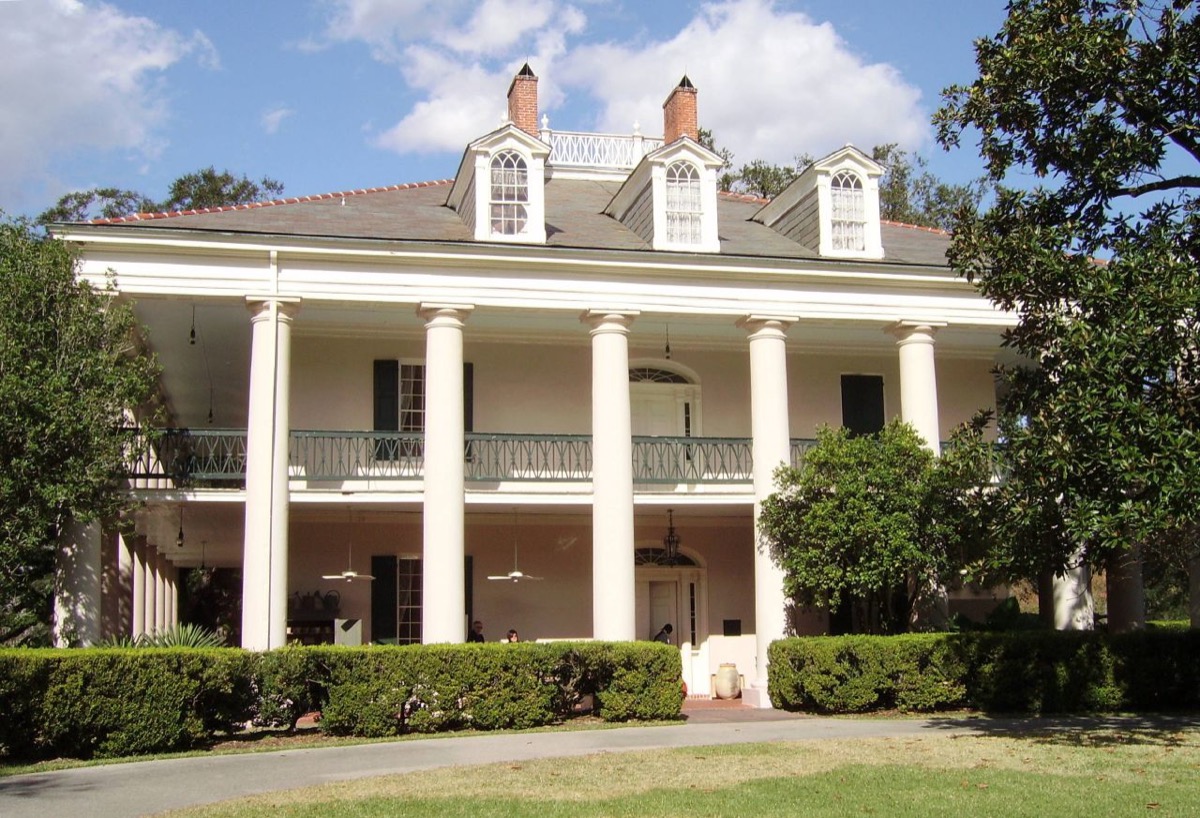
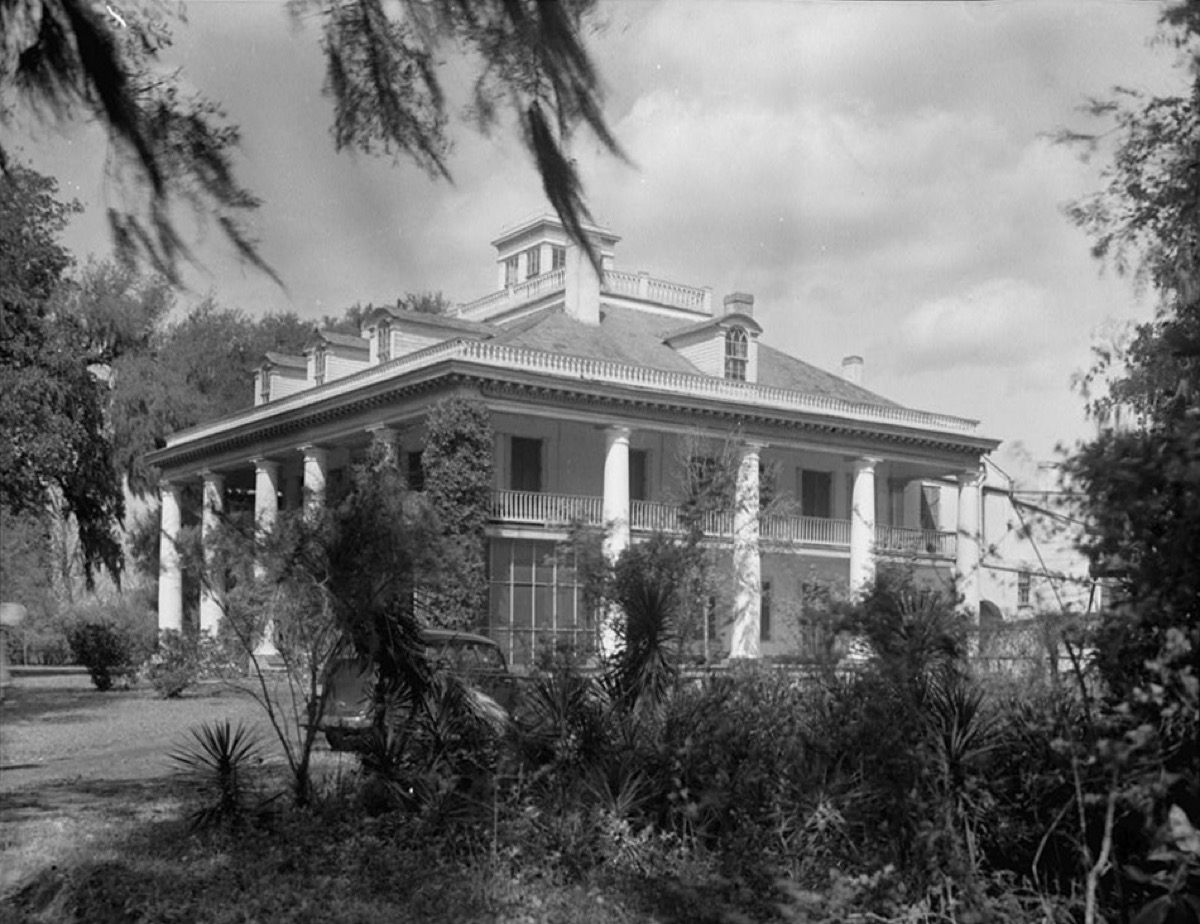
The house she walks is two houses, really. A French Colonial place went up on the property around 1775 and still stands tucked behind the mansion. The Greek Revival front, with its monumental columns, was built around 1840. In 1857 it passed to John Burnside, a Belfast-born sugar planter, and by the 1860 census the estate held 753 enslaved people in 192 cabins, one of the largest slaveholdings in Louisiana. The mansion outlasted all of them, and by 2003 it had fallen far enough to need the full restoration that brought the construction crew through its rooms in the first place. Two, maybe three children are said to have died at the house over its long life.
Which one is the girl on the stairs, no one has settled. Some accounts call her a granddaughter of an early owner; others name the young daughter of a colonel who fell ill here; another version places her death after the family had already moved away. The stories do not agree, and the house's own line is the honest one: children died here, and nobody knows which of them keeps coming down the stairs.
So the staff stopped trying to name her. They gave her one instead. La Petite Fille has been coming down that floating staircase for more than twenty years now, into rooms full of people she seems glad to see, and not one of them can tell her who she was.