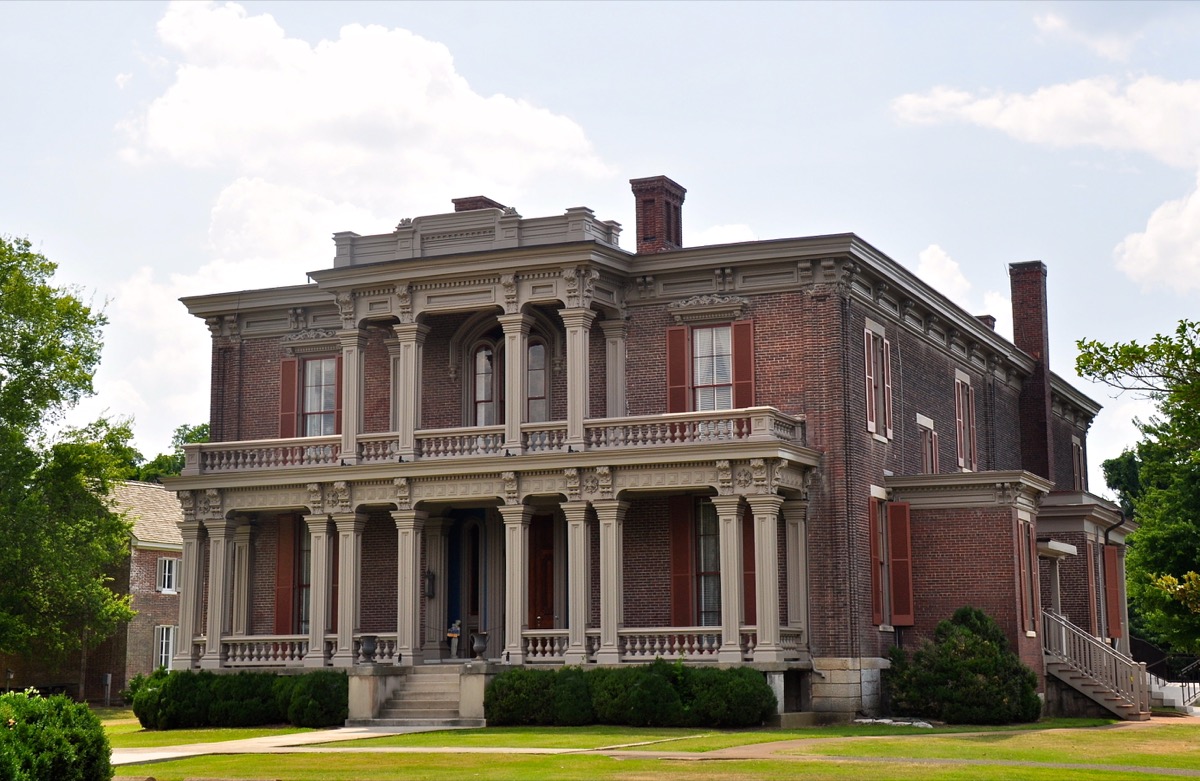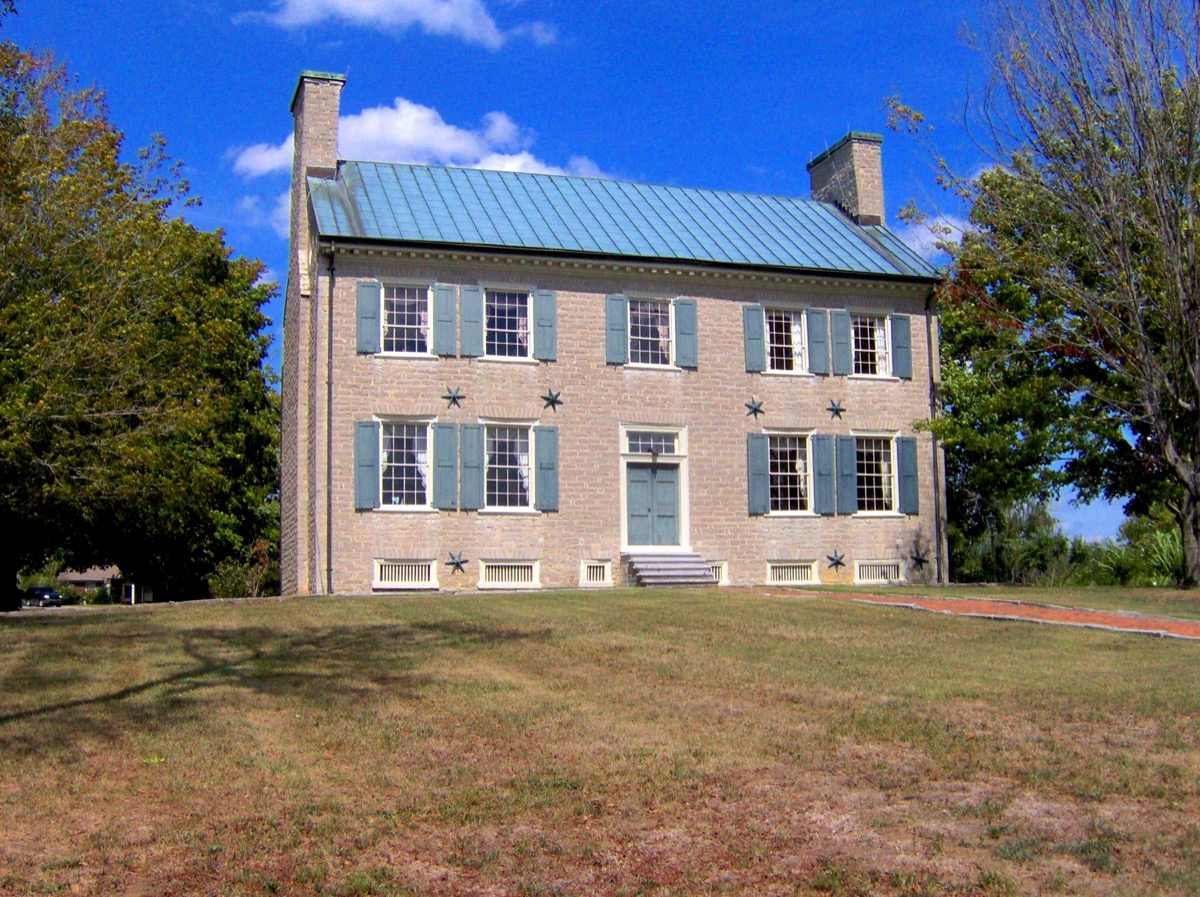
At Cragfont, a limestone mansion outside Gallatin, Tennessee, the caretakers have stopped being surprised. Candles light themselves, beds turn up unmade after closing, and something once pulled a museum director backward down the back staircase by a vacuum hose.
Nell Satterwhite grew up in a limestone mansion outside Gallatin, Tennessee, in the 1890s, and she kept a diary of her friends. Some of them were dead. She wrote about the ghosts of Cragfont the way another child writes about the kids next door: playmates who lived in the house and, as far as she was concerned, always had.
Tonya Staggs, who runs the historic site today, says it plainly. Nell "felt like the ghosts were her friends," Staggs says. "She thought they were just as much a part of the house as a bannister or door or anything like that."
The house was already old when the Satterwhites moved in. General James Winchester built Cragfont between 1798 and 1802 out of gray limestone quarried on the spot, the finest residence on the Tennessee frontier of its day, and he and his wife Susan raised 14 children inside it. Winchester died here in 1826 and lies in the family cemetery out on the grounds.
By Nell's time the place had its reputation, and she loved it anyway. Her diary records a dinner where a guest felt "the cold clasp of a hand" underneath the table. She wrote that the house "felt alive." When her family finally left, she spent her last night in it alone, saying goodbye to the house and to the ghosts.
Not everyone is offered the gentle version. A museum director once carried a vacuum upstairs to track down a rustling sound. Coming back down the back staircase, he felt a weight settle on his shoulder, and then the vacuum hose wound around his neck, drew tight, and pulled him backward into the stairs. Staff will point out that staircase as the worst spot in the house. They'll add that the general still moves room to room after dark, and that the figure people catch at an upstairs window is Susan.
Caretakers have found candles burning that no one lit, and beds left unmade in the morning after the house was tidied and shut for the night. The room people leave fastest is the upstairs nursery, where visitors describe a small, unseen hand slipping into theirs.
One tour guide has worked at Cragfont long enough to quit fighting it. He no longer wears his prescription glasses inside the house: "they've been damaged so often and it's too expensive to keep buying new ones." A little girl once filled a diary with the friends she found here. He can't keep a pair of glasses intact.