TLDR
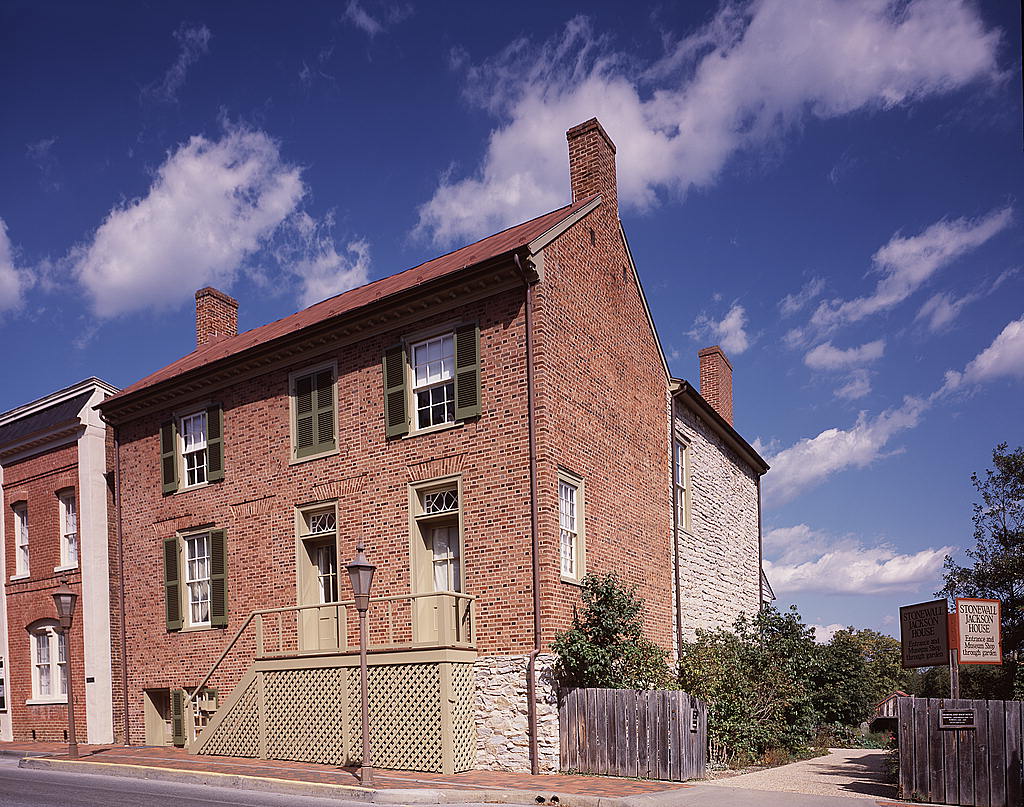
The only home Stonewall Jackson ever owned. He lived here with his wife from 1859 to 1861, then left for the war and never came back.
The Full Story
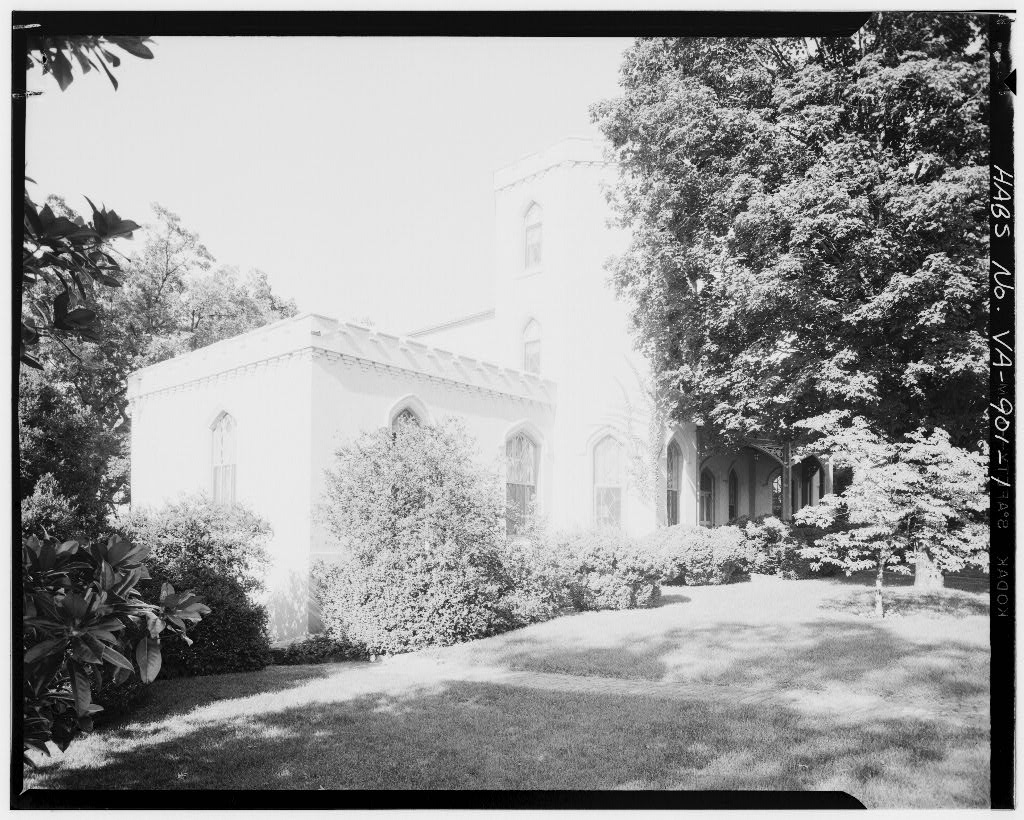
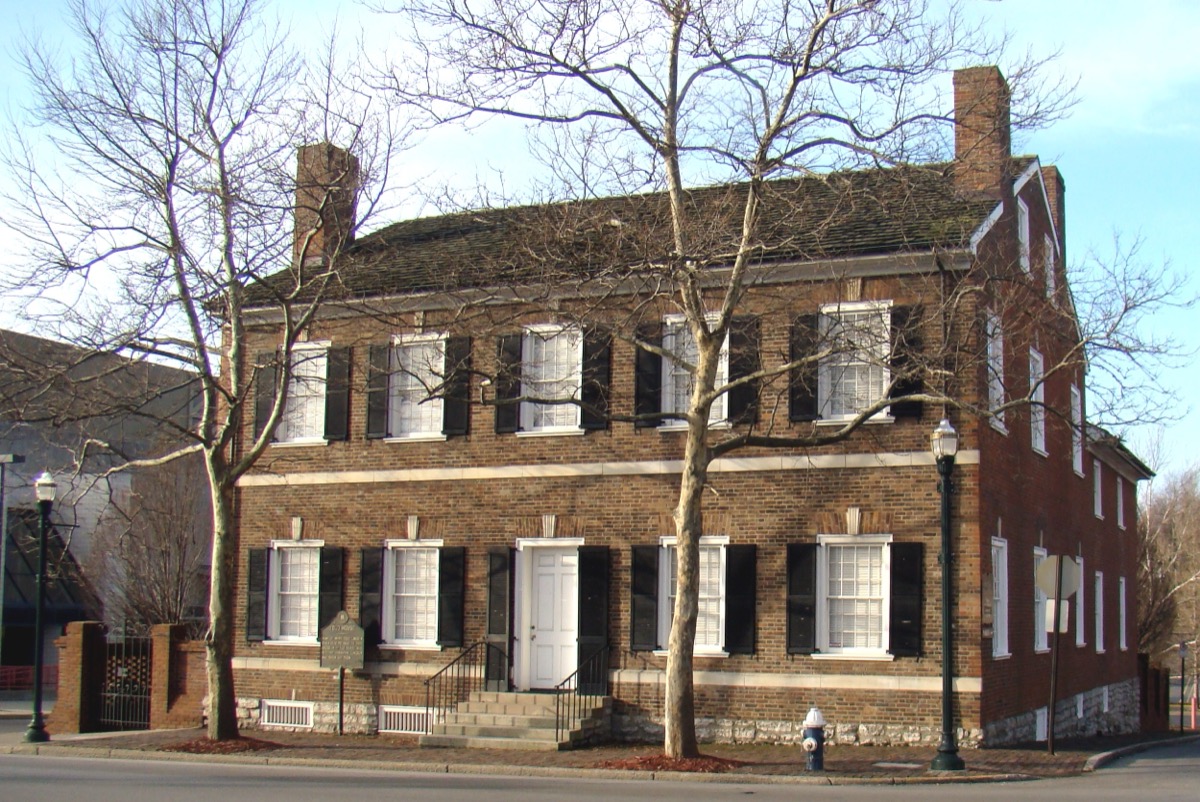
Verified · 10 sourcesThe Stonewall Jackson House at 8 East Washington Street in Lexington, Virginia, was the only home Thomas Jonathan "Stonewall" Jackson ever owned. The Confederate general purchased the brick townhouse on November 4, 1858, for $3,000 from Dr. Archibald Graham, who had expanded the original 1800 structure to accommodate his medical practice. Jackson lived here with his second wife, Mary Anna Morrison, until April 1861, when the Civil War called him away forever.
Jackson's time in this house was marked by both domestic contentment and profound tragedy. His first wife, Elinor Junkin, had died in childbirth in October 1854 along with their stillborn child—a loss so devastating that Jackson wrote, "I desire no more days on Earth." Even after remarrying, sorrow followed him. In May 1858, the Jacksons' first daughter, Mary Graham, died at just three weeks old. The grief that permeated these walls during Jackson's residence may explain why the house has never quite felt empty since.
When Jackson left for war in April 1861, he never returned. On May 2, 1863, at the Battle of Chancellorsville, his own troops from the 18th North Carolina Infantry mistook him for Union cavalry and opened fire. Three bullets struck him, two shattering his left arm beyond repair. The limb was amputated and given a Christian burial at Ellwood Manor, where visitors still report strange lights flickering near the grave and phantom music drifting across the grounds. Jackson himself died eight days later at Guinea Station, his final words now legendary: "Let us cross over the river, and rest under the shade of the trees."
His body was returned to Lexington and buried in what is now Oak Grove Cemetery, formerly called Stonewall Jackson Memorial Cemetery. The cemetery has become one of Virginia's most haunted sites. Visitors on the Haunting Tales ghost tour—running since 1996—report strange things happening nightly for over a century. One chilling account from 1999 describes four witnesses in a vehicle who heard something charging toward them from behind, "getting louder and louder, and closer," accompanied by what felt like soldiers "yelling and charging" with sounds described as "echo in the mist." The activity ceased only when they exited the cemetery. Some visitors swear they have seen Jackson himself, along with General Robert E. Lee on his horse Traveler, wandering the now-unfamiliar streets of Lexington.
The house itself served as Stonewall Jackson Memorial Hospital from 1907 to 1954, a period that added new layers of spiritual residue. Many Lexington residents were born within these walls, and many others drew their final breaths here during the decades of medical service. In 1979, the house was carefully restored to its appearance during the Jacksons' occupancy.
Inside, visitors report a stern military presence, particularly in Jackson's study. Heavy footsteps echo through empty rooms, and objects move without explanation. One former docent recounted the amusing tale of a Civil War reenactor who arrived in full Confederate uniform demanding entry without payment, insisting "It's MY house and I should not have to pay to see it!" Though that visitor turned out to be flesh and blood, the genuine encounters remain a mystery.
At nearby Virginia Military Institute, where Jackson taught Natural Philosophy from 1851 to 1861, a mysterious blue light has been witnessed drifting through the halls since the early 1900s. It regularly enters Jackson's former classroom before vanishing—as if the strict professor still checks on his students. Jackson Memorial Hall, rumored to be the most haunted section of campus, bears witness to his enduring presence.
The Lexington Ghost Tour passes directly by the house, which sits "just a bone's throw" from the Visitor Center. Tour guides lead groups through dark streets and alleyways, retracing the footsteps of Jackson, Lee, and Traveler while sharing tormented soul tales. One featured attraction on the tour is "The House with the window that will not stay closed"—each night, a different window swings open on its own, defying all attempts to keep it shut.
The house now operates as the Jackson House Museum under Virginia Military Institute. Whether the stern military presence visitors sense is Jackson's ghost returning to the only home he ever owned, or the residual energy of a man whose devotion to duty defined his life and death, remains a mystery. What is certain is that in Lexington, the boundary between the living and the dead feels remarkably thin—especially in the places where Stonewall Jackson once walked.
Visiting
Stonewall Jackson House is located at 8 E Washington Street, Lexington, Virginia.
Researched from 10 verified sources including historical records, local archives, and paranormal research organizations. Learn about our research process.