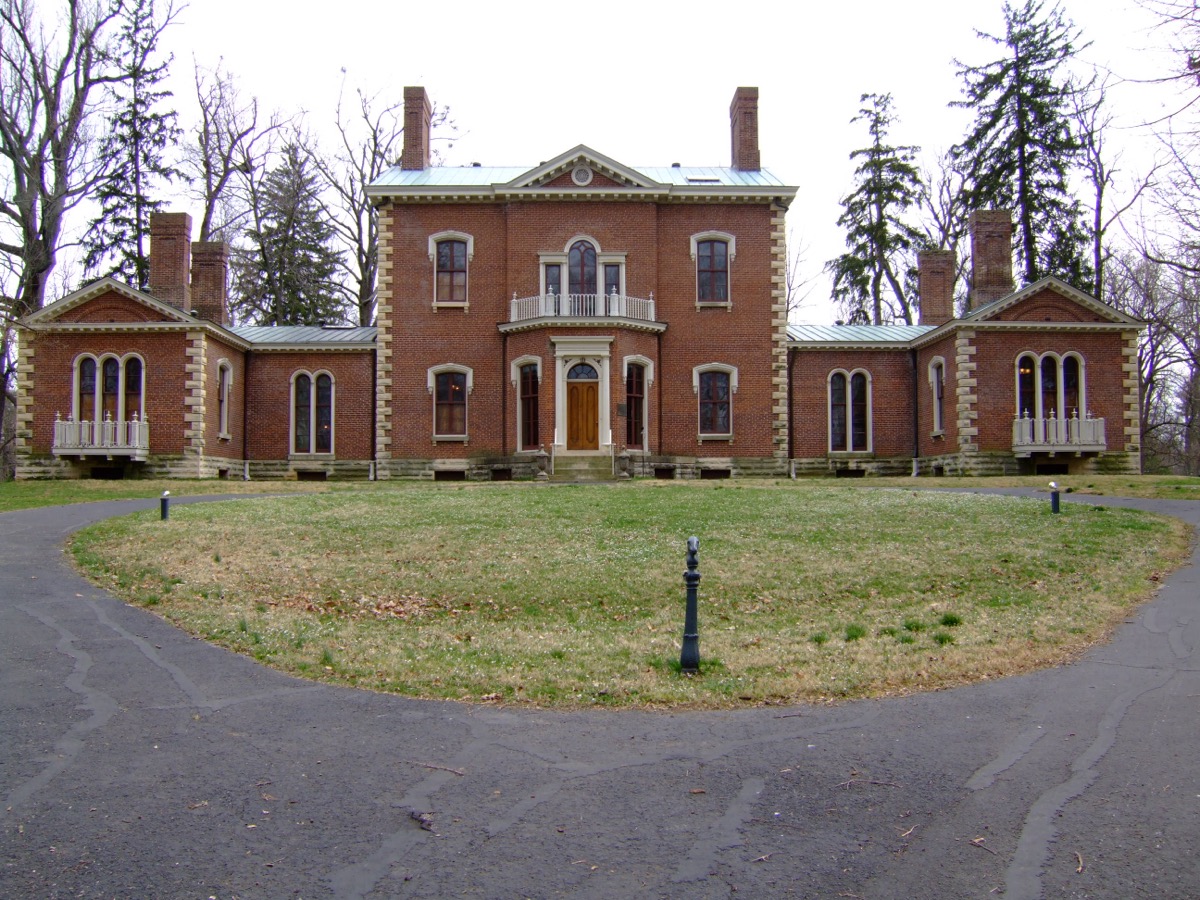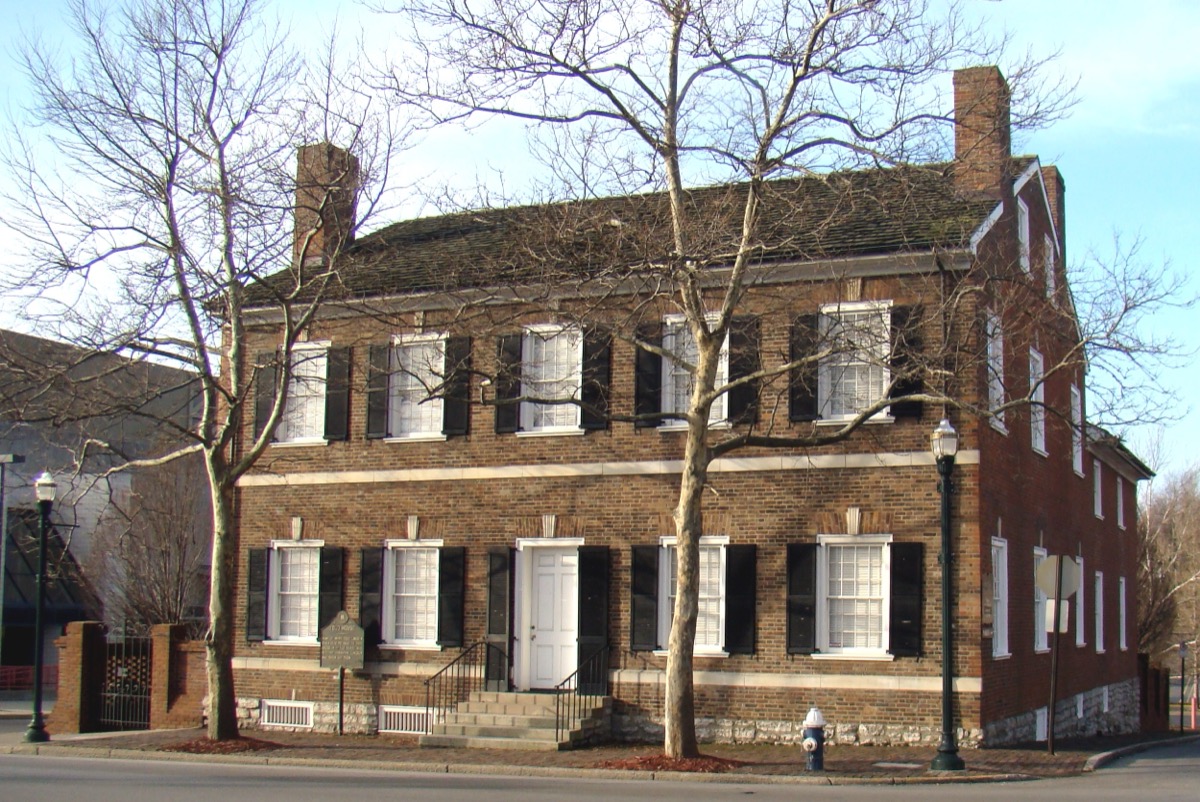
The Mary Todd Lincoln House in Lexington, Kentucky has the opposite problem of most haunted houses: tour after tour tries to hand it a ghost story that belongs to a different building down the street. Strip that away and the real haunting is quieter, and it isn't the house at all.
The Mary Todd Lincoln House in Lexington, Kentucky keeps getting handed a ghost that isn't its own. The story you'll hear on a tour goes like this: a night nurse falls asleep beside a sick child, wakes to humming, and sees a woman bent over the cradle. When the figure notices her watching, it walks away and disappears. She's known by her red leather shoes.
That woman was real. Her name was Bouviette "Aunt Betty" James, an enslaved nursemaid who cared for the Morgan children and died in 1870. The humming, the cradle, the red shoes all belong to the Hunt-Morgan House, a few blocks away in Gratz Park. It is the single most-told ghost legend in Lexington, and it has nothing to do with the Todds.
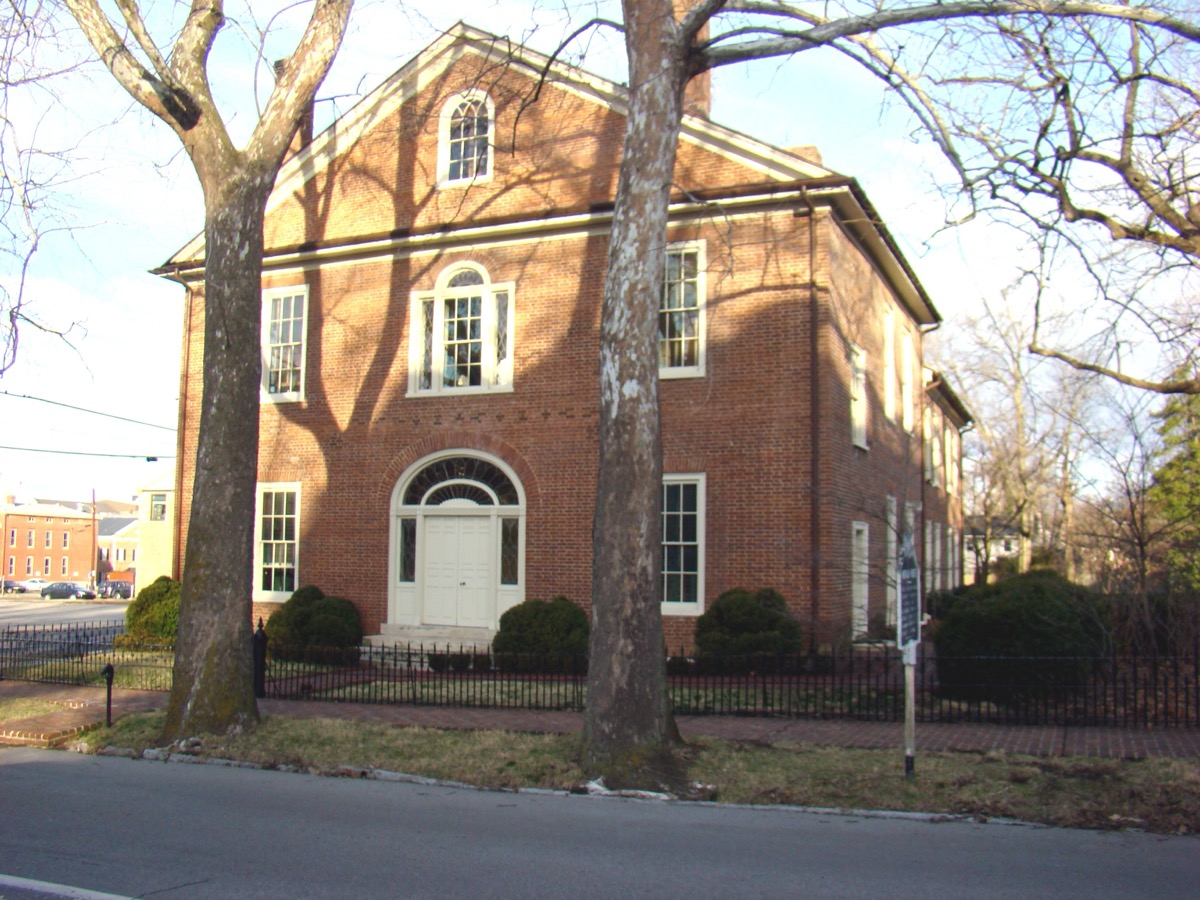
So what's left here? The house was built around 1803 as an inn called the Sign of the Green Tree, one of the oldest buildings in Lexington. Robert Todd bought it in 1832, and his daughter Mary grew up in its fourteen rooms before leaving for Springfield in 1839. None of the deaths grief-tourists try to pin here happened in this house. Eddie died of tuberculosis in Springfield, Willie of typhoid in the White House, Tad in Chicago, Abraham shot beside her at Ford's Theatre. Mary buried all of them, and in 1875 she was committed to an asylum by her one surviving son, Robert.
The real ghost story is the one she carried herself. After Willie died in 1862, she held séances in the White House to reach him. "Willie lives," she told her half-sister. "He comes to me every night and stands at the foot of the bed. He does not always come alone. Little Eddie is sometimes with him." In 1872 a spirit photographer named William Mumler posed her for a portrait, and the developed plate showed a faint Abraham standing behind her, hands resting on her shoulders. Mumler was later exposed as a fraud.
The museum makes no ghost claim of its own. Its official site says nothing about hauntings at all, and the reputation comes entirely from the tours outside. Still, visitors on the second floor sometimes report a wispy older woman in a long dress, and take her for a costumed guide. Maybe she belongs here. Mary spent a lifetime trying to call the dead back. It would be strange if no one ever came looking for her.