At the William Root House in Marietta, Georgia, staff tighten the antique rope bed in the main bedroom before they lock up. Every morning the bed looks slept in. From the street, passersby say a woman watches them from the window above.
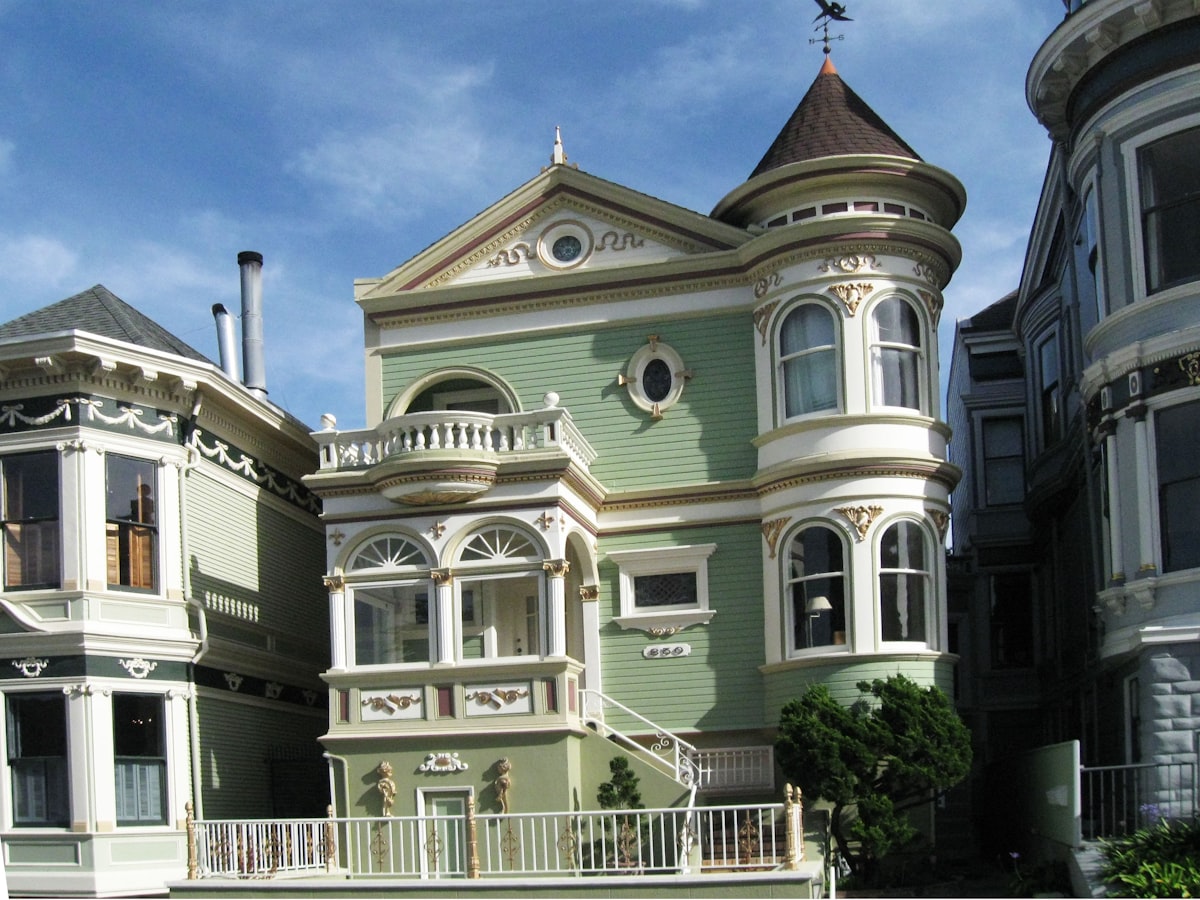
The William Root House in Marietta, Georgia is a plain white clapboard home, two stories with green shutters, built around 1845 for a druggist and his wife. In the main bedroom upstairs sits an antique rope bed. Every night before the museum closes, staff tighten the ropes and make it up. Every morning, they open the house to find it looking slept in again.
The woman they think is doing it has been seen from the street. Passersby walking past the house have looked up at the bedroom window and reported a face looking back — a woman at the glass, watching them go. The story holds she's Hannah Root, the wife of the man who built the place. She and William raised five children here before the house was rotated to face a different street, remodeled into something fancier, carved into three rental apartments, and finally left to rot. By the late 1980s it was slated for demolition. A historical society bought it, hauled it across town, and restored it to the way it looked when Hannah lived in it.
She seems to have come back to the bed.
The whole of it traces to one source — Rhetta Akamatsu's book *Haunted Marietta*, published in 2009 — and the tourism sites have repeated the same two things ever since: the woman in the window, the slept-in bed. There's no investigation, no recording, no named witness with a date. And the museum's own director has said his staff have never had a single direct encounter with anything. They keep a list of questions ready, he's said, in case they ever get the chance to ask.
The closest the house gets to dark is on purpose. Hannah's father, Leonard Simpson, lived here and died on October 11, 1856, and each October the museum stages the house as it would have looked in mourning — drawn curtains, black crepe, a coffin in the parlor, mourning jewelry woven from human hair. The tours are by flashlight, the visitors bringing their own through the dark.
Then they lock up, tighten the bed, and go home.