The ghosts of Pickering Wharf in Salem, Massachusetts aren't witches. They're sailors. At Mercy Tavern nearby, staff say they hear men shouting and fighting below the floor when the place is empty, voices rising from tunnels the legend says were used to kidnap young men onto outbound ships.
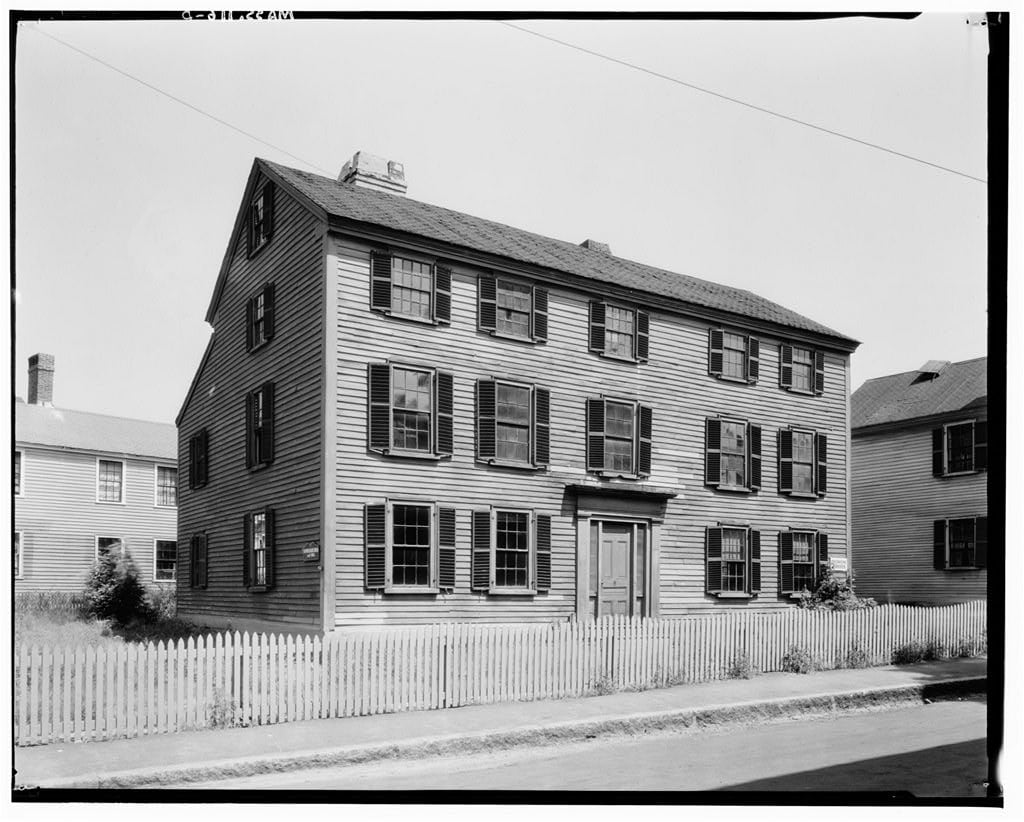
At Mercy Tavern, a 1700s building on Derby Street near Pickering Wharf in Salem, Massachusetts, the staff say they hear men below the floor. Shouting. Fighting. The sounds come up through the ground when the restaurant is empty, from spots where tunnel entrances were sealed off decades ago. The building used to be called In a Pig's Eye, and before that it was just an old house at 148 Derby Street, a few doors down from the water.
Salem is a witch-trial town, but the haunting on this stretch of waterfront is a different kind. It's maritime. The ghosts here are sailors who look no older than eighteen, sea captains said to walk through walls, and pirates who, the accounts go, rise out of the harbor, come ashore, and dissolve. One account has a woman in period dress pacing the docks, looking for a sailor husband who never came back. "Disembodied voices are also often heard by the staff when the place is empty," Ghost City Tours writes of the tavern, and it's those voices, more than any of the others, that the people who work there keep returning to.
The voices have a story, and the story is about the tunnels. As the legend tells it, passages ran beneath this part of Salem, and sea captains used them to shanghai young men out of the waterfront brothels, marching them through the dark and forcing them onto ships bound for open ocean. The men who came up sick were thrown over the side. The shouting beneath the tavern floor is supposed to belong to them — voices of the kidnapped, still arguing in the dark long after the ships have gone.
Whether the tunnels were ever real is another matter. Ghost tours tell of a three-mile smuggling network with hidden entrances behind basement fireplaces, built in the 1790s, but historians who've gone looking say the labyrinth is largely a myth. There were a few real maintenance tunnels and some standalone storage vaults, documented in architectural histories. A connected waterfront-to-downtown smuggling network, used to abduct men onto ships, is something nobody has found evidence for. The dramatic version, one Salem researcher argues, likely fused with an H.P. Lovecraft tale during a revival around 2010.
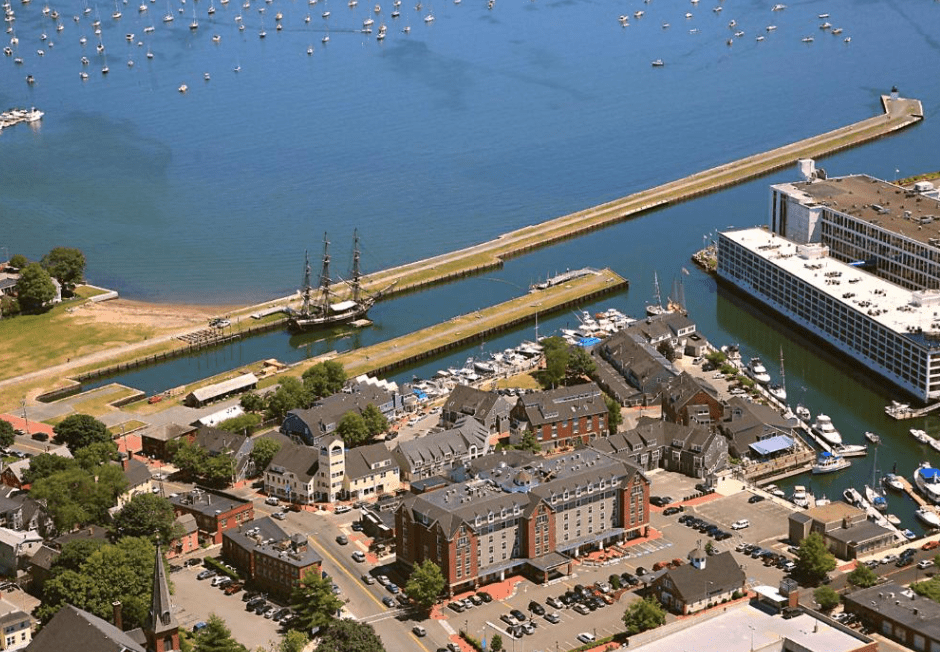
What the wharf is now sits flush against all of it. The complex opened in 1979 on the old Union Wharf site, built to evoke a 19th-century maritime village — a marina, the Salem Waterfront Hotel, seafood restaurants, harbor cruises. Pleasant. Bright. A place you'd never guess had anything underneath.
Except the people who close up Mercy Tavern at night will tell you the men are down there yet, still fighting, in passages no one can open anymore.