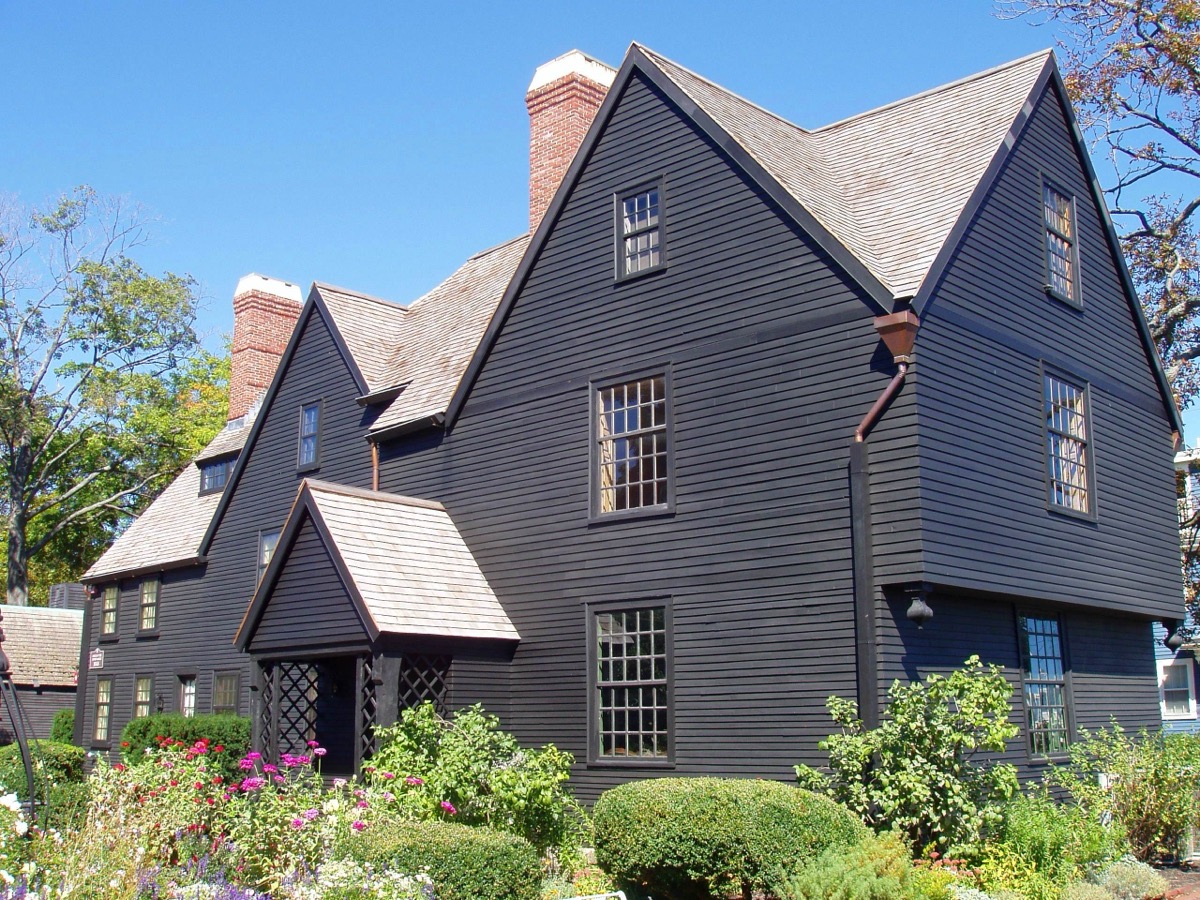
The House of Seven Gables

The House of Seven Gables

🏚️ mansion

Salem, Massachusetts · Est. 1668

About This Location

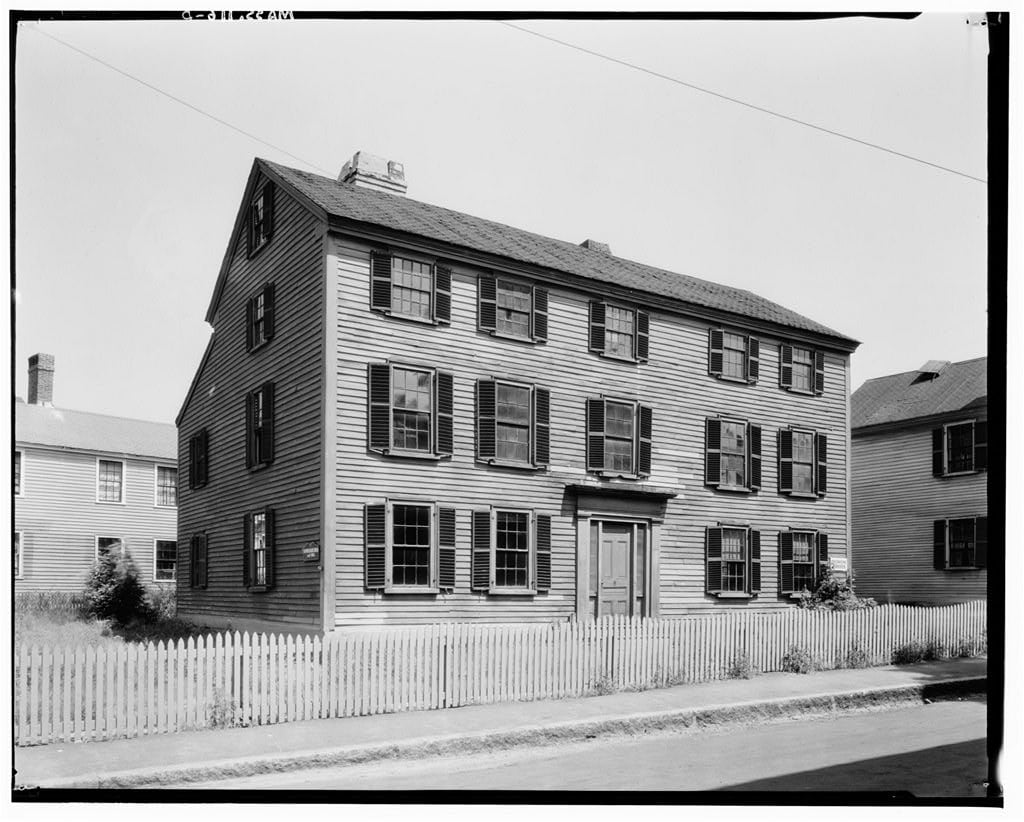
Built in 1668 for Captain John Turner, this colonial mansion inspired Nathaniel Hawthorne's famous novel. Hawthorne visited his cousin Susannah Ingersoll here and learned the dark stories of his ancestor Judge John Hathorne, adding a "w" to his surname out of shame for his family's role in the witch trials.

👻

The Ghost Story

The House of the Seven Gables stands as one of New England's oldest surviving wooden mansions and one of Salem's most haunted locations. Built in 1668 for Captain John Turner, a wealthy sea merchant who funded its construction through trade with West Indies slave plantations, the colonial mansion remained with the Turner family for three generations before being sold to Captain Samuel Ingersoll in 1782. The house's dark history intertwines with the Salem witch trials and the guilt that plagued one of America's greatest authors.

During the witch trial hysteria of 1692, John Turner II feared for his sisters' safety as townspeople succumbed to paranoia and accusations. He constructed a secret staircase along the massive central chimney, running from the dining room to the second floor, where his sisters could hide if the cruel magistrates came prowling for potential witches. This hidden passage would later become one of the most paranormally active spots in the house.

The mansion's literary fame comes from Nathaniel Hawthorne, who visited his cousin Susanna Ingersoll here throughout his life. Susanna, a remarkable woman who never married in order to retain ownership of her property, became one of the wealthiest women in New England through shrewd real estate investments. She told Hawthorne stories of the house's history and showed him beams in the attic where additional gables once stood. But what truly haunted Hawthorne was his own ancestry—his great-great-grandfather Judge John Hathorne was one of the most aggressive interrogators during the witch trials, known for pressuring the accused to confess. Unlike other participants who later apologized, Judge Hathorne showed no remorse. So ashamed was Nathaniel that he added a "w" to his surname to distance himself from his ancestor's cruelty. He channeled this guilt into his 1851 novel "The House of the Seven Gables," featuring Judge Pyncheon, a villain based on his notorious forebearer.

Today, the most frequently encountered spirit is Susanna Ingersoll herself—the only person documented to have been both born and died within the house. Visitors and staff report seeing a woman in period dress peering from windows before suddenly dissolving into nothing. Her apparition moves through rooms as if still attending to housework, and she's most often spotted in the second-floor hallway. Those who catch her watching describe a presence that carries an air of melancholy elegance, calm and composed even in death.

A phantom boy haunts the attic and gardens, his identity unknown despite decades of sightings. Soft laughter echoes through the upper floors, accompanied by light footsteps that seem to run and play near the gables. A psychic visitor once claimed to photograph the child's figure, and some speculate he could be Julian Hawthorne, the author's son, though no historical records connect him to the property. Whoever he is, witnesses consistently report his presence in these same locations.

The secret staircase remains a paranormal hotspot. Visitors report seeing a spectral man ascending and descending the hidden passage, and dark shadow figures appear near its entrance. One witness claimed to have been choked by invisible hands in the attic space above. Electronic disturbances plague the house—lights flicker unpredictably, water faucets activate on their own, and museum staff often feel an unseen presence watching them even in empty rooms. These phenomena tend to cluster around the areas where apparitions are most frequently seen.

Museum staff officially deny any hauntings, insisting "No ghosts here." But the volume of personal experiences—shadow silhouettes on every floor, disembodied footsteps, doors opening and closing on their own, and the persistent feeling of being watched—suggests otherwise. The house opened as a museum in 1910 after philanthropist Caroline Emmerton purchased and restored it, and the paranormal reports have continued unabated for over a century. Whether the spirits are the Turners, the Ingersolls, or restless souls connected to the witch trial era, the House of the Seven Gables remains one of Salem's most spiritually active locations.

Researched from 8 verified sources including historical records, local archives, and paranormal research organizations. Learn about our research process.

More Haunted Places in Salem

Hawthorne Hotel

Hawthorne Hotel

hotel

Joshua Ward House

Joshua Ward House

mansion

The Witch House

The Witch House

mansion

Old Burying Point Cemetery

Old Burying Point Cemetery

cemetery

Proctor's Ledge Memorial

Proctor's Ledge Memorial

other

Salem Witch Museum

Salem Witch Museum

museum

More Haunted Places in Massachusetts

🏚️

The Wayside

Concord

👻

Fenway Park

Boston

👻

Boston Massacre Site

Boston

🪦

Cole's Hill

Plymouth

🏛️

Boston Athenaeum

Boston

🪦

Mount Auburn Cemetery

Cambridge

View all haunted places in Massachusetts

More Haunted Mansions Across America

Ryan Mansion

Galena, Illinois

Tivoli High House

Pensacola, Florida

Taliesin

Spring Green, Wisconsin

Fort Hunter Mansion

Harrisburg, Pennsylvania