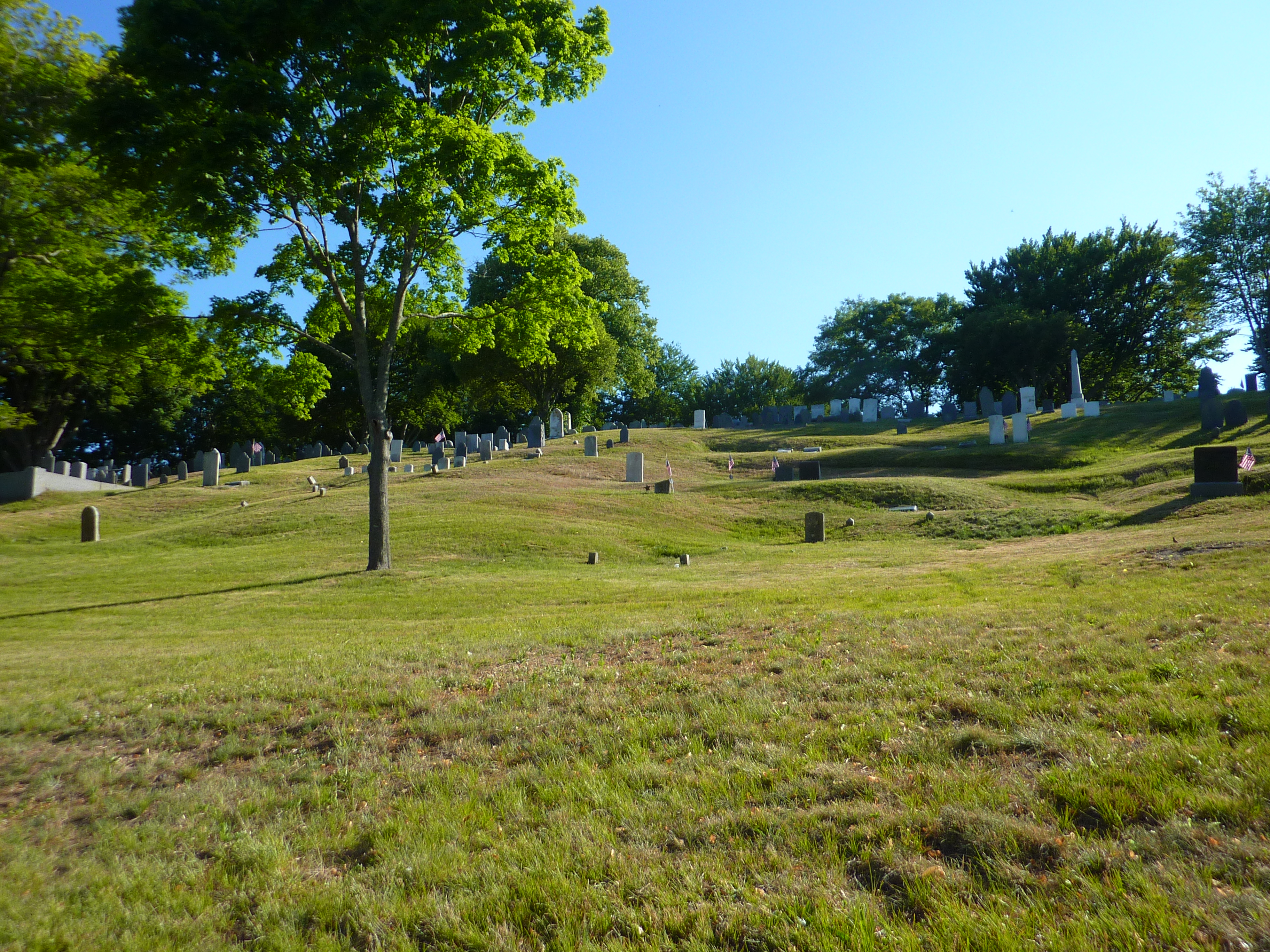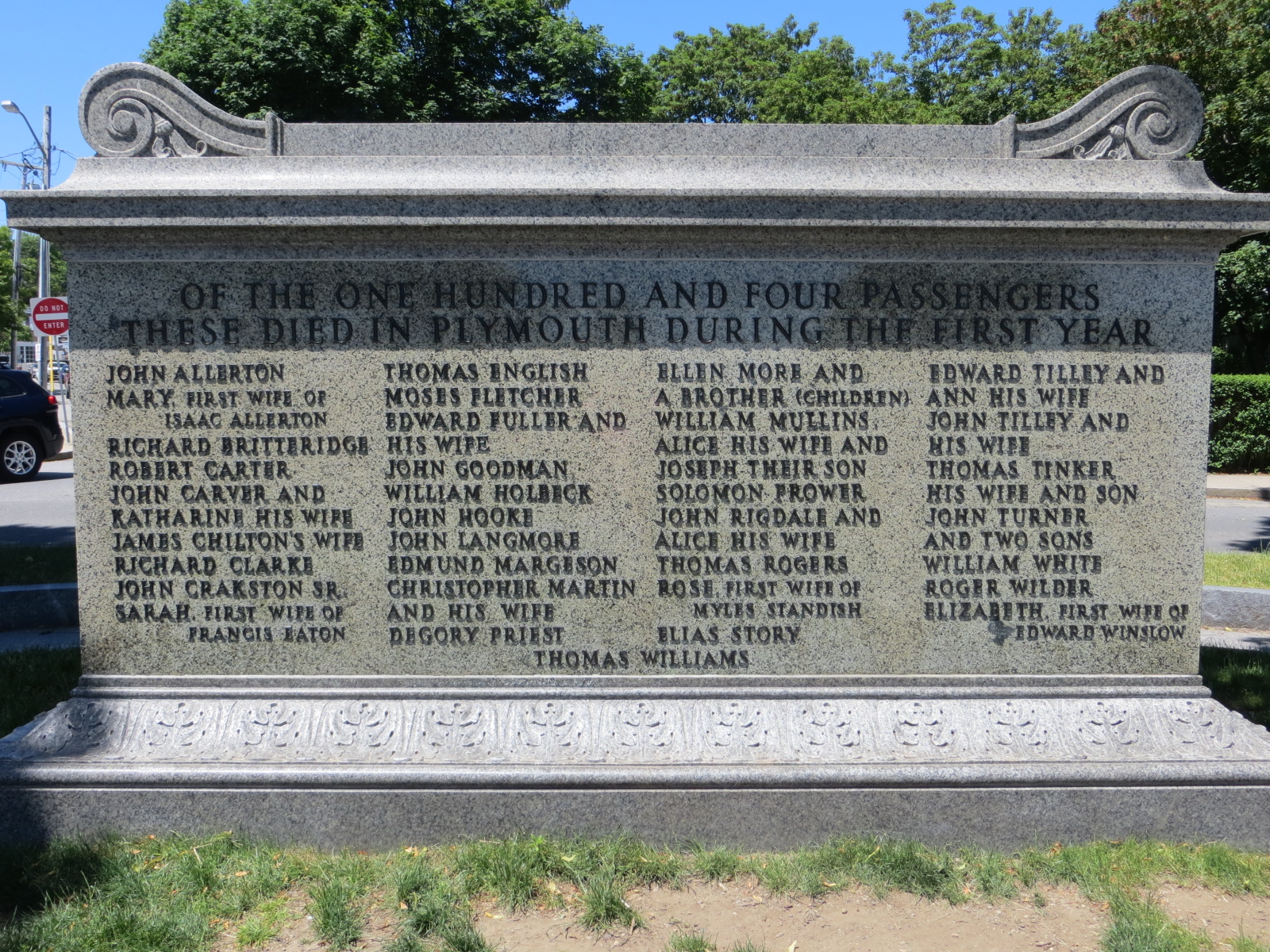
Cole's Hill in Plymouth, Massachusetts is the burial ground the Pilgrims tried to hide. They buried their dead at night and planted crops over the graves. People say voices still rise from the ground, and talking comes from inside the crypt.
Cole's Hill in Plymouth, Massachusetts is a grassy bluff above Plymouth Rock, and the story there is that the ground talks. People report murmurs and voices rising from the earth, whispers and laughter along the slope. There's a granite crypt at the top of the hill, and the way it's told, you'll sometimes hear sounds of talking from inside the cold stone walls.
The reason follows straight from the history. This is the first cemetery the Mayflower Pilgrims ever used, and they tried to make it invisible.
During the first winter of 1620 to 1621, roughly half the ship's company died. The Mayflower had carried about 102 passengers, and an estimated 45 to 52 of them were gone by spring. The survivors buried their dead at night, in secret, then leveled the earth and sowed grain over the graves. The point was to keep the Wampanoag from learning how few colonists were left, in case the weakness of the colony tempted an attack. The graves looked like a planted field. That was the idea.
The deception held for over a century. Then, in a storm in 1735, a torrent poured down Middle Street and tore a ravine through Cole's Hill, washing human bones down into the harbor. The ground had given the dead back.
It kept doing it. A skull turned up in 1809. Graves were found again in 1855 during water-pipe digging, about a foot and a half beneath a buried layer of topsoil — the physical proof that crops had been planted over them. One skeleton was a young man, maybe 17 to 25, his wisdom teeth still coming in, laid east to west with no trace of a coffin. More bones surfaced in 1883. Dr. Oliver Wendell Holmes Sr. examined the skulls and confirmed they were European, not Native burials. Between the storm and 1883, the remains of at least 11 people were recovered from the hill.
In 1920 the General Society of Mayflower Descendants gathered the recovered remains and sealed them in the granite sarcophagus that sits at the top of the hill, dedicated the following year. Its inscription says it plainly: here, under cover of darkness, the company laid their dead and leveled the earth above them lest the Indians should know how many were the graves.
They buried these people so no one would know they were there. Four hundred years later, visitors come to the hill and say the ground still won't stop telling them.