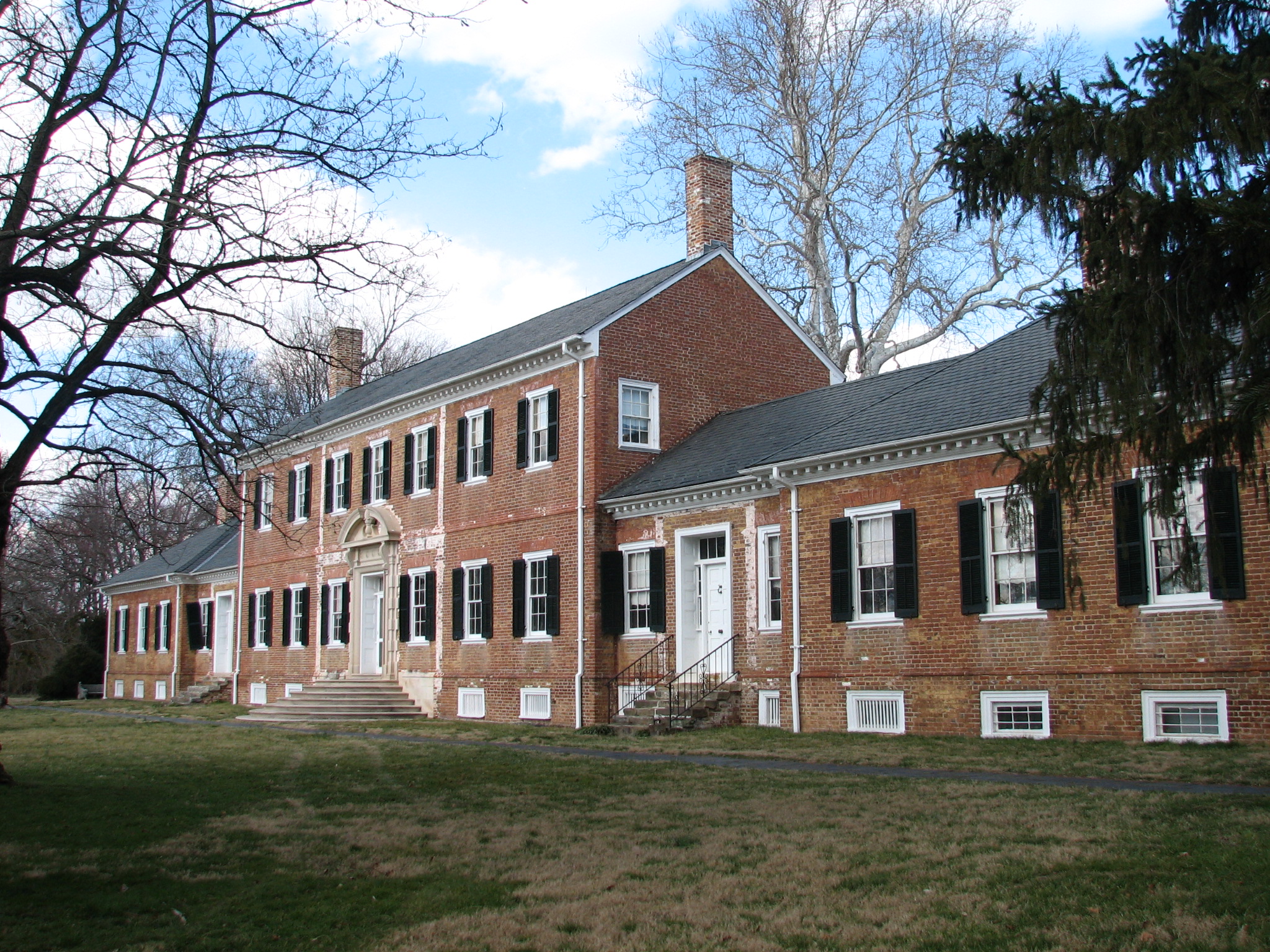
Walt Whitman saw a cartload of amputated limbs piled outside Chatham Manor in 1862. The Virginia mansion's other ghost walks on June 21.
On December 21, 1862, Walt Whitman walked up to the front of Chatham Manor looking for his wounded brother George. Ten yards from the door, at the foot of a tree, he saw what he later described as "a heap of amputated feet, legs, arms, hands, etc., about a load for a one-horse cart." Inside, doors had been pulled off their hinges to use as stretchers because the rooms had run out of floor.
Nobody puts that detail in the brochure. The ghost story tour guides reach for is older, softer, and walks toward the river.
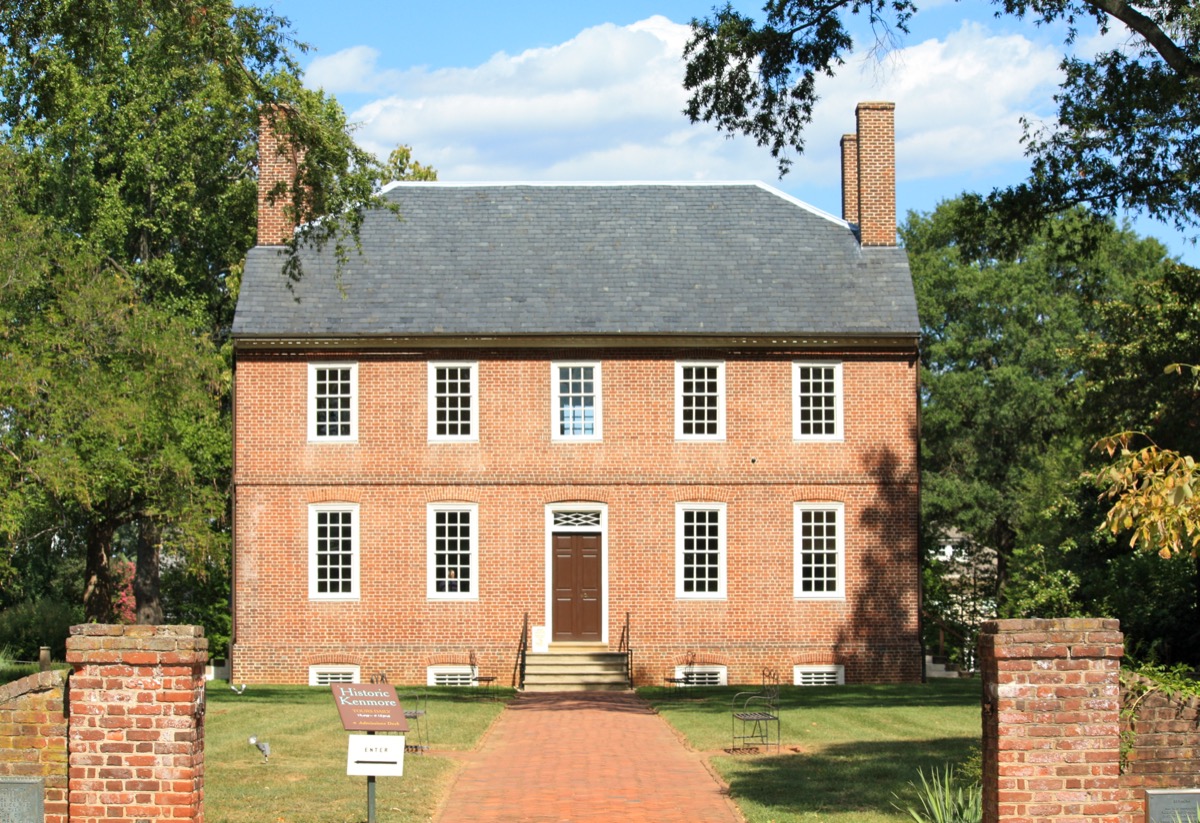
Chatham is a 1771 Georgian brick mansion on a bluff in Stafford County, Virginia, looking straight across the Rappahannock at Fredericksburg. William Fitzhugh built it, or rather, at least 100 enslaved people built it for him on a 1,280-acre plantation. The house is 185 feet long. Washington came so often his diaries log the visits. Jefferson stopped in. Lincoln rode up in April 1862 to meet with his generals during the Union occupation. Eisenhower hunted ducks here with George Marshall during World War II, courtesy of the GM executive John Lee Pratt, who willed the place to the National Park Service in 1975. Wikipedia and the NPS both note something startling about that guest list: Chatham is the only private home in America visited by four U.S. presidents.
So much for the guest book. Now the ghost.
The legend, as Legends of America tells it, goes like this. In the 1790s, a young Englishwoman from an aristocratic family was sent to Chatham by her father to break up her engagement to a drysalter, a cloth dyer and food preserver, well below her class. Her lover followed her across the ocean. A servant overheard the elopement plans and ran them to a houseguest. The houseguest happened to be George Washington. On the appointed night, she climbed down from her bedroom window expecting her fiancé and met the future president instead. The lover was arrested. She was put on a ship back to England and married off to someone her family approved of. The legend has her dying miserable on June 21, 1790, after a deathbed vow to come back to the one place she'd been happy. (Folklore phrasing; the exact wording isn't documented anywhere.)
She returns every seventh year on June 21, the story goes, between noon and midnight, walking from the manor toward the river in a long white colonial gown. Locals call the path she follows the Ghost Walk. Most accounts (Legends of America, Wikipedia, US Ghost Adventures) name June 21; the historian Michael Kleen is the lone outlier with June 29. The math, if you want to do it, lands the next appearance on June 21, 2028.
Tradition holds the first sighting came from a visiting Frenchman in the 1800s, but no contemporary record surfaced to confirm that. Ghost-tour accounts describe an NPS staff vigil on June 21, 1986 that produced no sighting, but the Park Service hasn't confirmed it on the record. Take both as folklore about the folklore.
Honestly, the ghost feels almost beside the point. Five weeks of December 1862 turned Chatham into one of the worst field hospitals of the Civil War.
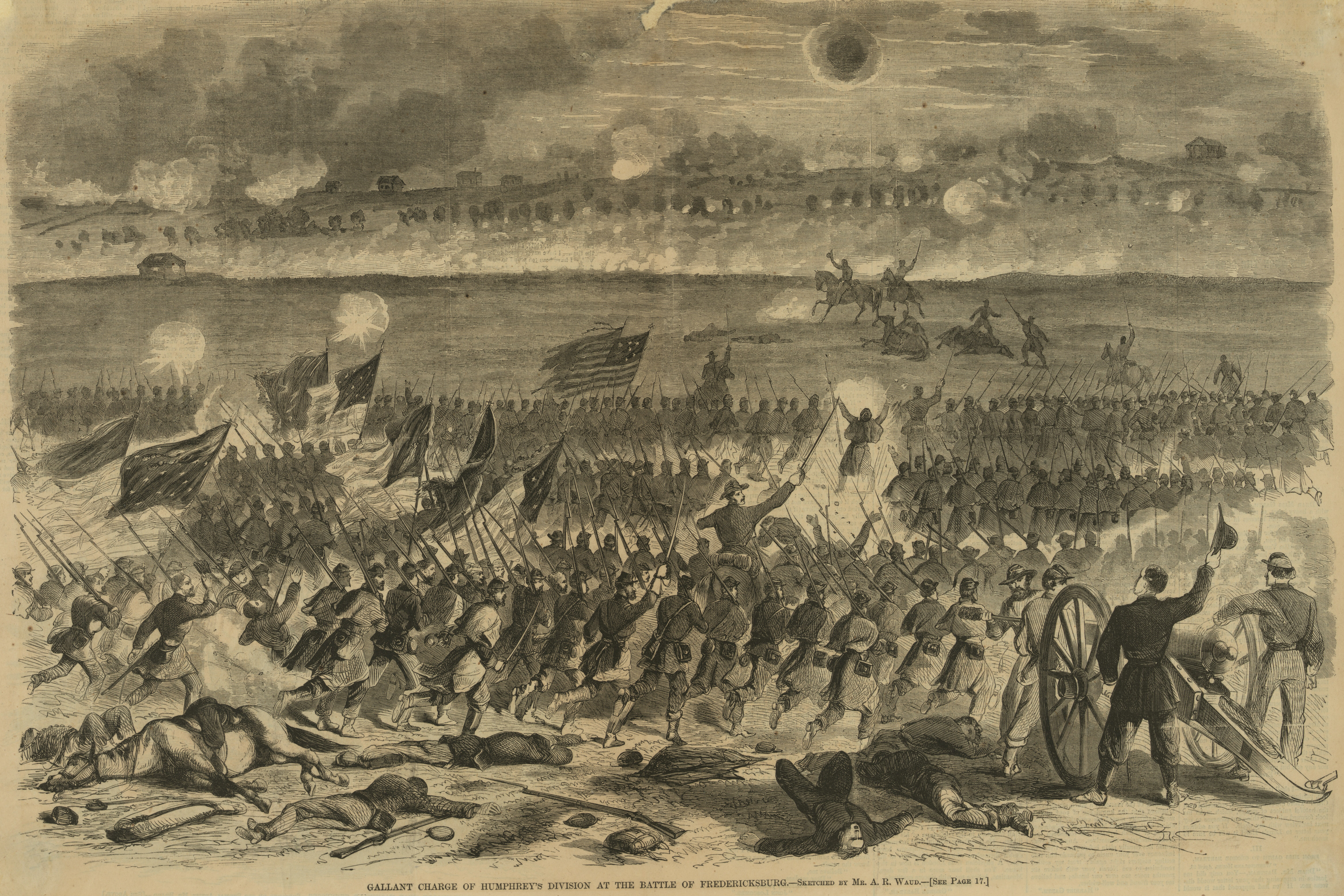
Major General Edwin V. Sumner ran the Battle of Fredericksburg from inside the house. When the wounded started coming back across the river, the second division of the Second Corps converted the place into a hospital from December 11 to 25. Surgeon in charge: Dr. J. Franklin Dyer. Operating surgeons: Hayward, Morton, and Rizer, with nine assistants. Operating tables filled with men "from morning until late at night." Many of the procedures were amputations. Dr. Mary Walker, the second American woman to earn a medical degree and the only woman ever awarded the Medal of Honor, treated soldiers here. So did Clara Barton, who described the "strange, sad scene" around her in a letter. Two other civilian nurses, Harriet Beacon and Isabella Fogg, worked alongside her.
Over 130 soldiers died at Chatham. They were buried, temporarily, in the yard. Dr. Dyer's note from inside the house is short and ugly: "I have the Manor full, men lie on the floors as close as they can be stowed." Whitman, walking up the next morning, added the line about the fresh graves in the dooryard toward the river.
The same dooryard, give or take, the Lady in White is supposed to cross.
If you're hunting for paranormal investigations and EVP clips at Chatham, you won't find much. The big TV crews haven't filmed here. The Park Service doesn't trade in ghost stories. There's a quote that circulates online attributed to John Hennessy, the longtime chief historian for Fredericksburg & Spotsylvania, saying "Nobody has ever seen anything. No thumps in the night." The original article appears to be paywalled now, and we couldn't pull the source page directly, so treat the attribution as plausible but not pinned down. What's well-attested is the silence around the place. No reported room numbers. No cold-spot rituals. Just an old house, a path to a river, and a date.
Two catalpa trees on the lawn were standing in December 1862. Whitman wrote under them. They are still alive. The NPS calls them the Chatham Catalpas, and if the place has anything you could honestly call a ghost, it's probably them. Wood that watched the operating tables get carried out and the graves get dug, still leafing out every spring.
Chatham's interior closed in August 2025 for about a year of maintenance work, so the five-room free museum inside the mansion is on pause for now. The grounds stay open. The Devore garden, designed by Ellen Shipman in 1921 and restored by the Park Service and the Friends of Chatham, is worth the walk on its own: walled beds, a pergola, boxwood parterres, a small pool. None of which is haunted, as far as anyone has bothered to claim.
Go for the catalpas. Stand where Whitman stood. Read the marker on the lawn that lists the surgeons who worked the rooms behind you. The Lady in White is a nice story, but she isn't the reason this place feels heavy.