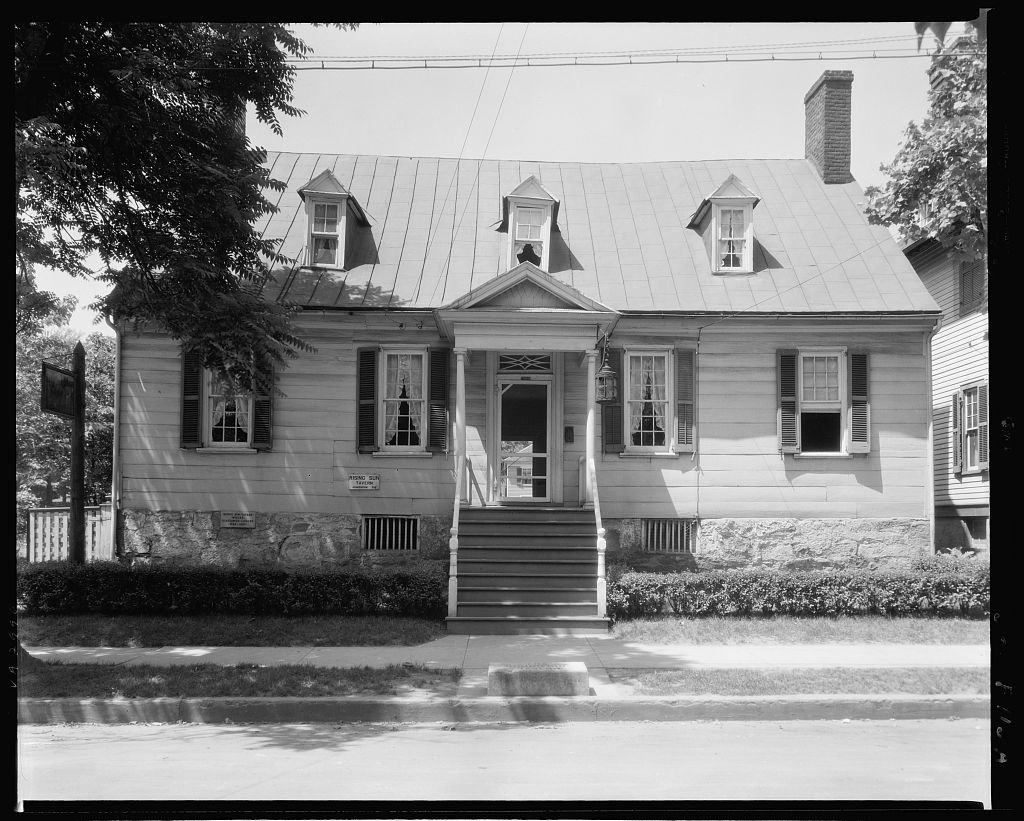
On November 28, 1793, John Frazer went upstairs at the Rising Sun Tavern for a nap. He never came back down.
On November 28, 1793, John Frazer climbed the stairs at what was then the Eagle Tavern, lay down for a nap, and died. He was thirty-five. A Continental Army officer, a William & Mary graduate, married barely long enough to settle into the job, and then gone in an afternoon. No autopsy. No witnesses. Two hundred-plus years of staff and journalists have asked the same question and gotten the same answer: nobody knows what killed him.
Frazer has been making up for it ever since.
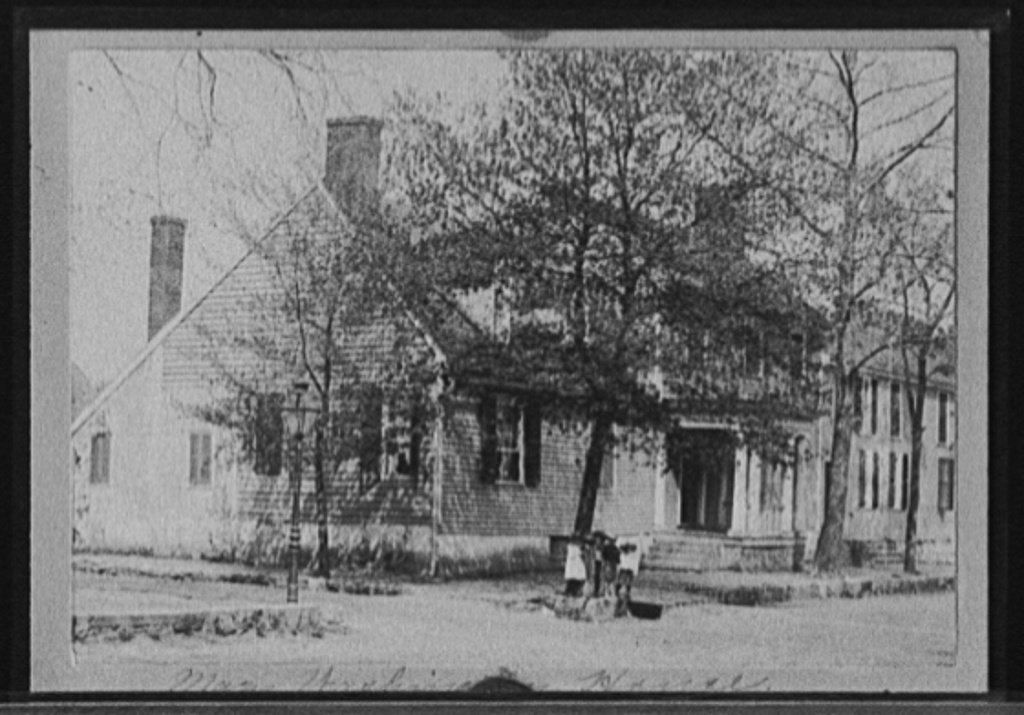
The building at 1304 Caroline Street in Fredericksburg didn't start as a tavern. Charles Washington, George's youngest brother, built it around 1760 as his family home and lived there with his wife until roughly 1780. Charles signed the Leedstown Resolves, later went west, and founded Charles Town, West Virginia. The house passed to Larkin Smith in 1791, then to Colonel Gustav Wallace in 1792, who rented it out to John and Elizabeth Fox Frazer. They named it the Eagle Tavern (sometimes the Golden Eagle) and opened for business that same year. The "Rising Sun" name didn't come along until later, traced by the Virginia Department of Historic Resources to a misattributed Fredericksburg tavern sign.
The Frazers' run lasted about a year before John lay down upstairs.
Elizabeth kept the place going. Six more tavernkeepers followed her under the Wallace family's ownership, and the building served food and drink into the 1820s. The Association for the Preservation of Virginia Antiquities, now Preservation Virginia, bought it in 1907. Washington Heritage Museums took over on January 3, 2013, and runs it today as a small house museum.
The honors on the wall are real ones. National Historic Landmark on January 29, 1964. National Register of Historic Places on October 15, 1966. Virginia Landmarks Register on September 9, 1969. The interior woodwork is largely original, restored in the 1930s, and 1970s archaeology turned up a long front porch that's since been reconstructed. The Library of Congress holds fourteen photographs, six measured drawings, and eight data pages on the building, surveyed in 1933 under HABS call number VA-89-FRED-4. If you care about colonial domestic architecture, this is one of the better small examples you can walk through.
But people come for John.
The tours are led by costumed interpreters the museum calls "tavern wenches," and that is the museum's own term, not something a ghost-tour outfit invented. Staff say Frazer has lifted their skirts mid-tour. He flicks lights. He pulls plugs out of sockets. He knocks over candlesticks. Tricorn hats turn up on the floor in the morning. Doors open and close on their own.
The best stories are the ones with witnesses.
A tour guide kept finding the lights unplugged upstairs. She'd plug them back in, walk into another room, and they'd be unplugged again. She finally lost patience and said, out loud, "Come on now, stop it!" As she left the room the rug was yanked out from under her. Long-tenured manager Jo Atkins, who worked at the tavern for twenty-two years and ran it for the last ten before retiring in 2016, told this one to the local paper. She told the next one too: two guides standing in the gift shop watched the postcards launch off the rack in front of them. Nobody else in the room. Both versions ran in fredericksburg.com's coverage of the museum's John Frazer Night event.
The most dangerous incident she recounted happened in the 1960s. A large standing candle holder was thrown down a flight of stairs during a gathering and narrowly missed the people below.
Culpeper Paranormal Investigations has conducted two formal investigations at the tavern. The Star Exponent covered the second one in detail. In one session, investigator Jayne Ramirez asked the empty room, "Can you please tell us your name?" The voice-activated recorder picked up a four-syllable response that the team heard as "Elizabeth." John Frazer's wife was Elizabeth Fox Frazer. She did not die at the tavern. She outlived him by two years. Why her name would surface in a recording two centuries later is a question the investigators didn't try to answer.
In another session, in the common room, they asked, "Do you like having visitors?" The EVP came back as what sounded like "No!"
A small wooden building, a lot of foot traffic, old wiring, drafty rooms, costumed guides telling stories in character. Plugs work loose. Postcards slide. Candles tip. People hear what they want to hear in a tape hiss. Fine. That explanation is available to anyone who walks in.
What's harder to wave off is how specific the staff stories stay. The same guide unplugged, the same words said, the same rug pulled. The same postcards from the same rack. The "Elizabeth" syllables on a recording in a building Elizabeth ran after her husband died. None of it proves a ghost. All of it gives Frazer a personality that's hard to dismiss once you've heard it: not menacing, not vengeful, just a young officer who isn't done with the place.
The tavern is small. Two floors. A handful of rooms. The whole museum takes under an hour. The Washington Heritage Museums team runs an annual "Gothic Ghosts at the Rising Sun Tavern" event with readings of early American ghost stories by candlelight, and the building does its best work on those nights. The rest of the year it's the regular tour with the regular wenches, who'll tell you about Charles Washington, the Leedstown Resolves, eighteenth-century drinking culture, and the man who went upstairs for a nap on a Thursday in late November 1793 and is still, according to everyone who works there, refusing to leave.
The museum's sign on the front of the building reads, simply, Rising Sun Tavern, ca. 1760.