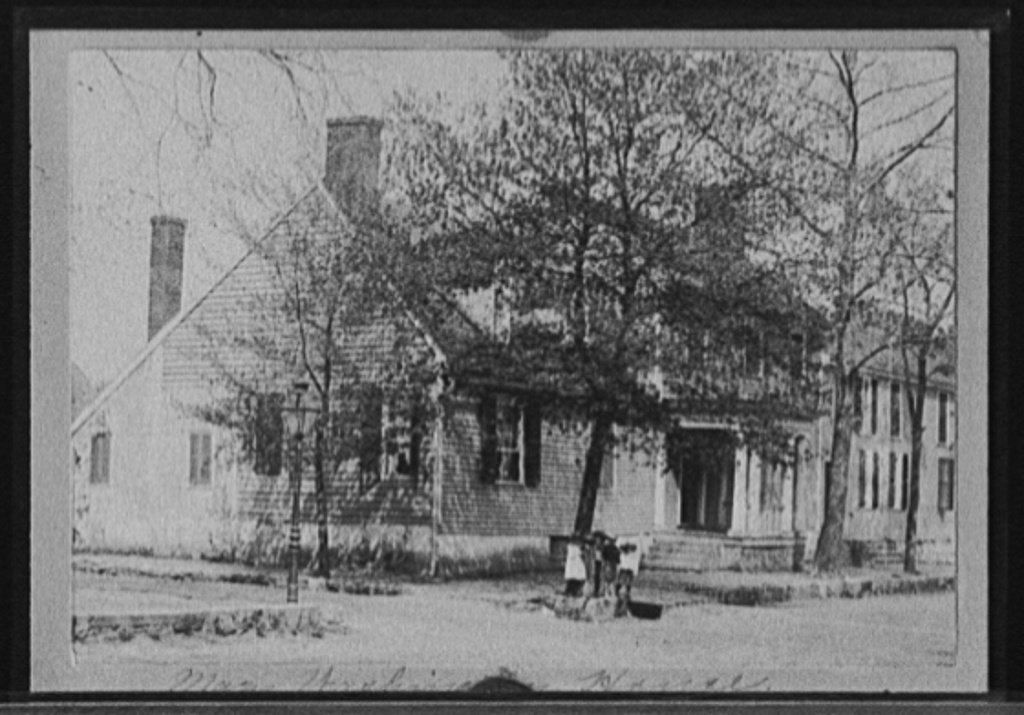
Mary Washington died in this Fredericksburg house in 1789. Visitors say she's still in the garden, and her grave has been lost for over 230 years.
George Washington's mother is supposed to be in her garden.
It's a strange version of a ghost story. No clanking chains, no screaming. Mary Ball Washington keeps turning up at a window, or among the boxwoods, and visitors who feel her describe warmth, not fear. Her son George turns up too, in the Bed Sitting Room where he last saw her alive. The story goes that he keeps coming back because there's something he never finished. Specifically, his mother's grave.
Nobody knows where it is.
That's not a metaphor. Mary Washington died here on August 25, 1789, of breast cancer, around three o'clock in the afternoon. Her cousin Burgess Ball wrote to George that same day from Fredericksburg, reporting that she had "departed this Life abt 3 oClock today" and naming the cause: "the Cancer on her Breast." For about fifteen days before that she could no longer speak. For the final five she stayed asleep. She was buried somewhere within sight of the property, near a sandstone outcrop she called her meditation rock. The exact spot has never been confirmed. Even researchers from Washington Heritage Museums and the University of Mary Washington, using ground-penetrating radar on a President's Day search, couldn't pin it down. "We won't see individual bones," historic preservation professor Dr. Katherine Parker told the Mount Vernon Gazette. The radar found nothing definitive. The mother of the first president is, in the most literal sense, lost.
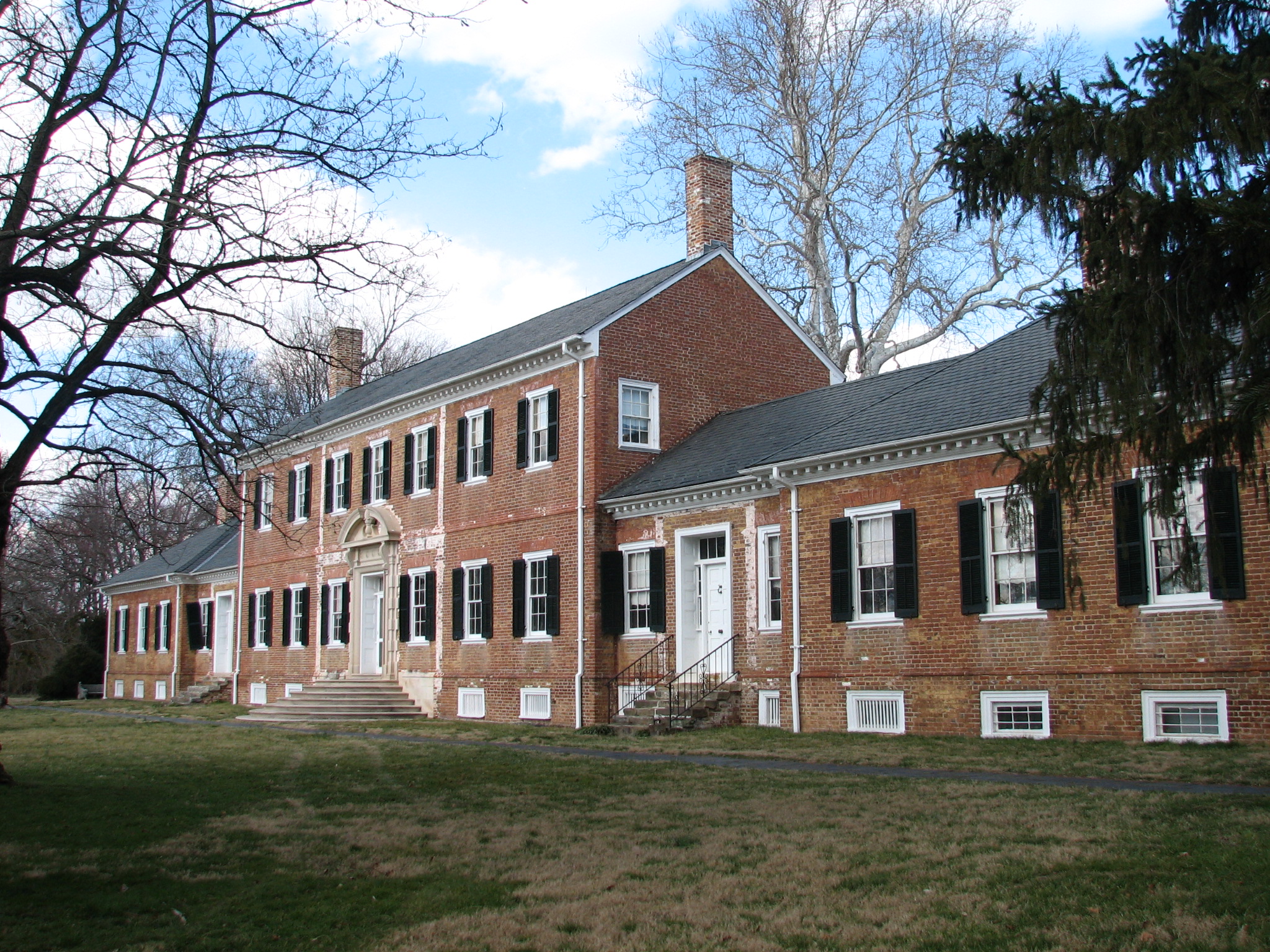
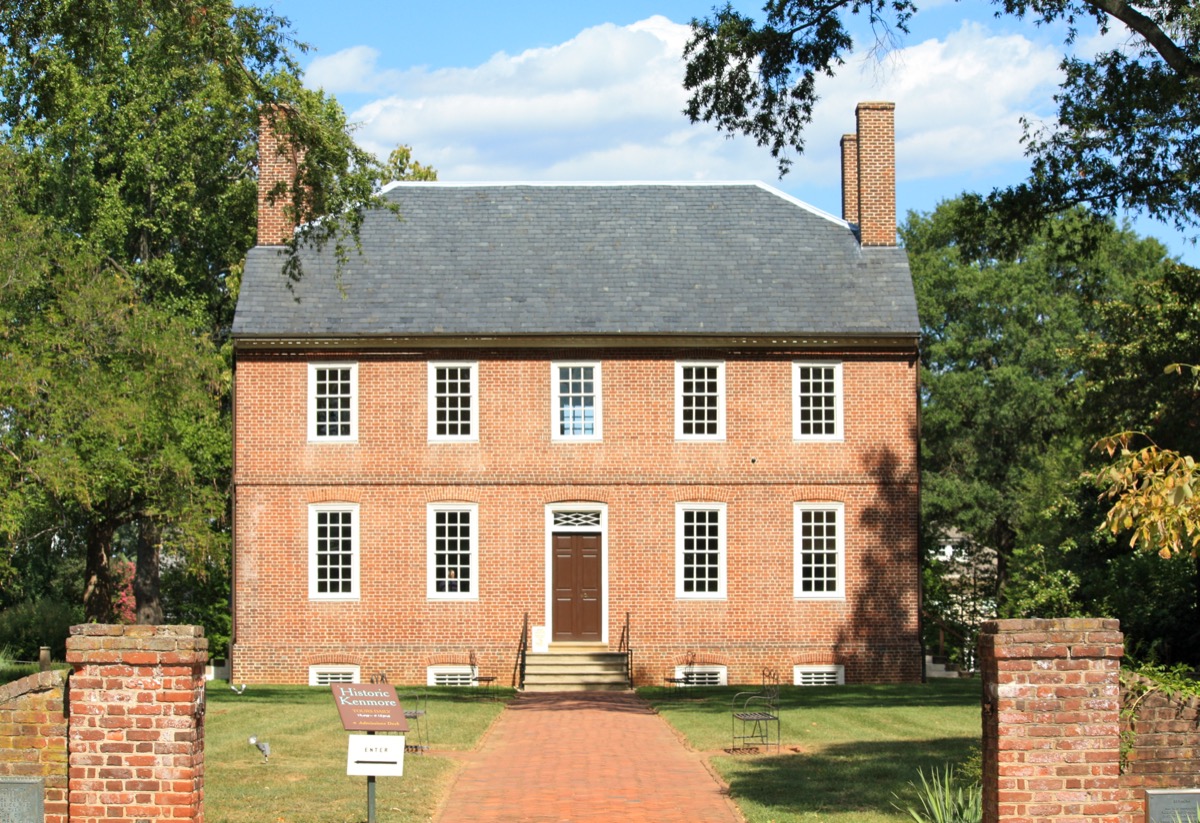
The house itself is small and tidy, a white-painted frame structure George bought for her in 1772 for 275 pounds from a man named Michael Robinson. She lived in it for her last seventeen years. Her daughter Betty lived a short walk away at Kenmore, and local tradition holds that Mary had the brick walkway laid herself for her daily visits when Betty's new house was still under construction. That walk and a double row of overgrown English boxwood were the only 18th-century landscape features left when the Garden Club of Virginia took on the gardens in 1969, with landscape architect Ralph E. Griswold leading the work. An Aquia stone sundial sits on the lawn between the beds. It may date from Mary's own lifetime. Nobody's certain.
Uncertainty runs through the whole site. The human history is more solid. In March 1789, the president-elect stopped at the house to receive his mother's blessing before traveling to New York for his inauguration. The line Fredericksburg keeps repeating from that visit is the one Mary gave him on the way out the door, according to the tour script: "Go, my son, and may that Heaven's and a mother's blessing be with you always." It was the last time he saw her. After her death five months later, he wore a black mourning badge for five months. He never made it back to find the grave.
The ghost story tracks all of that pretty directly. Mary at the window. Mary in the garden. George in the room where the goodbye happened. There's no named witness attached to any specific incident (no docent quoted by name, no dated investigation report), but Fredericksburg's ghost tours and a 2022 write-up by the Association of Paranormal Study all describe the same warm-presence pattern, which centers the second-floor Bed Sitting Room as the spot where George is most often described. The reports lean warm. A presence, not a threat. Whatever this is, it isn't trying to scare anyone.
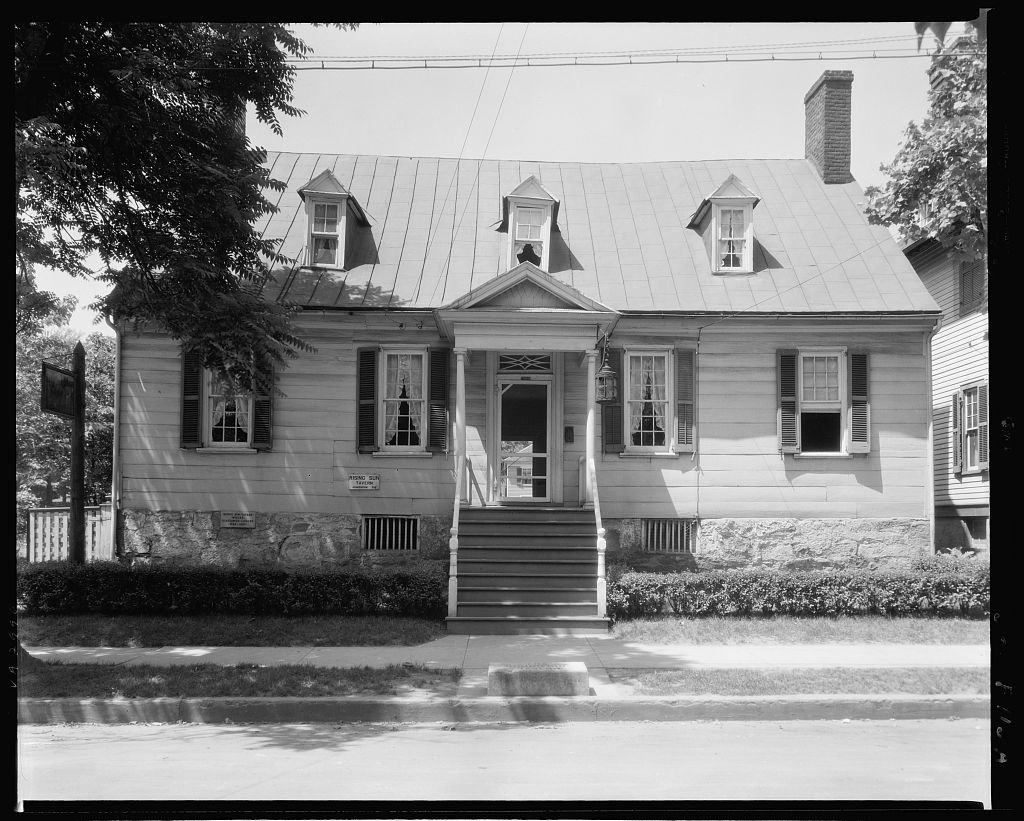
The house almost didn't survive to be haunted at all. In 1890 the Association for the Preservation of Virginia Antiquities, now Preservation Virginia, bought it to prevent it from being shipped to the Chicago World's Columbian Exposition as an exhibit. It was the APVA's second-ever property acquisition. The house opened to the public in 1900, was restored in 1931, and in 2013 ownership passed to Washington Heritage Museums, which now runs it alongside Hugh Mercer Apothecary, Rising Sun Tavern, and St. James' House. The APVA managed to recover eight objects original to Mary's time, including a mirror she herself labeled her "best dressing glass." It's still on display.
The visitors over the years are worth listing because they explain why people show up looking for ghosts here. John Marshall. George Mason. Thomas Jefferson. Members of the Lee family. The Marquis de Lafayette, who came to Fredericksburg in the fall of 1784, after the Revolution, to pay his parting respects before sailing back to Europe. Tradition says he found Mary working in her garden when he arrived. That image, an old woman with dirt on her hands greeting a French general, is half of what the ghost story is doing. The other half is the cancer.
Mary's death from breast cancer is unusually well-documented for an 18th-century case. Her Fredericksburg physician, Dr. Elisha Hall, wrote to Dr. Benjamin Rush in Philadelphia for a consultation. Rush wrote back: "From your account of Mrs. Washington's breast, I am afraid no great good can be expected from the use of any remedy in her case. The respectable age and character of your venerable patient lead me to regret that it is not in my power to suggest a remedy." That's a doctor in 1789 telling another doctor that there's nothing left to try. Every October, Washington Heritage Museums runs an event called Mary's Ribbons. Visitors tie pink ribbons to the fence at 1200 Charles Street to honor or remember someone with breast cancer. There's a community memorial book inside.
If you want a ghost story with screaming and slamming doors, this isn't it. The pull of the Mary Washington House is quieter and harder to shake. A woman died here, painfully, in a house her son bought her. Her grave is still missing. Her boxwood is still here. Visitors keep saying they feel her, peacefully, by the window or among the beds.
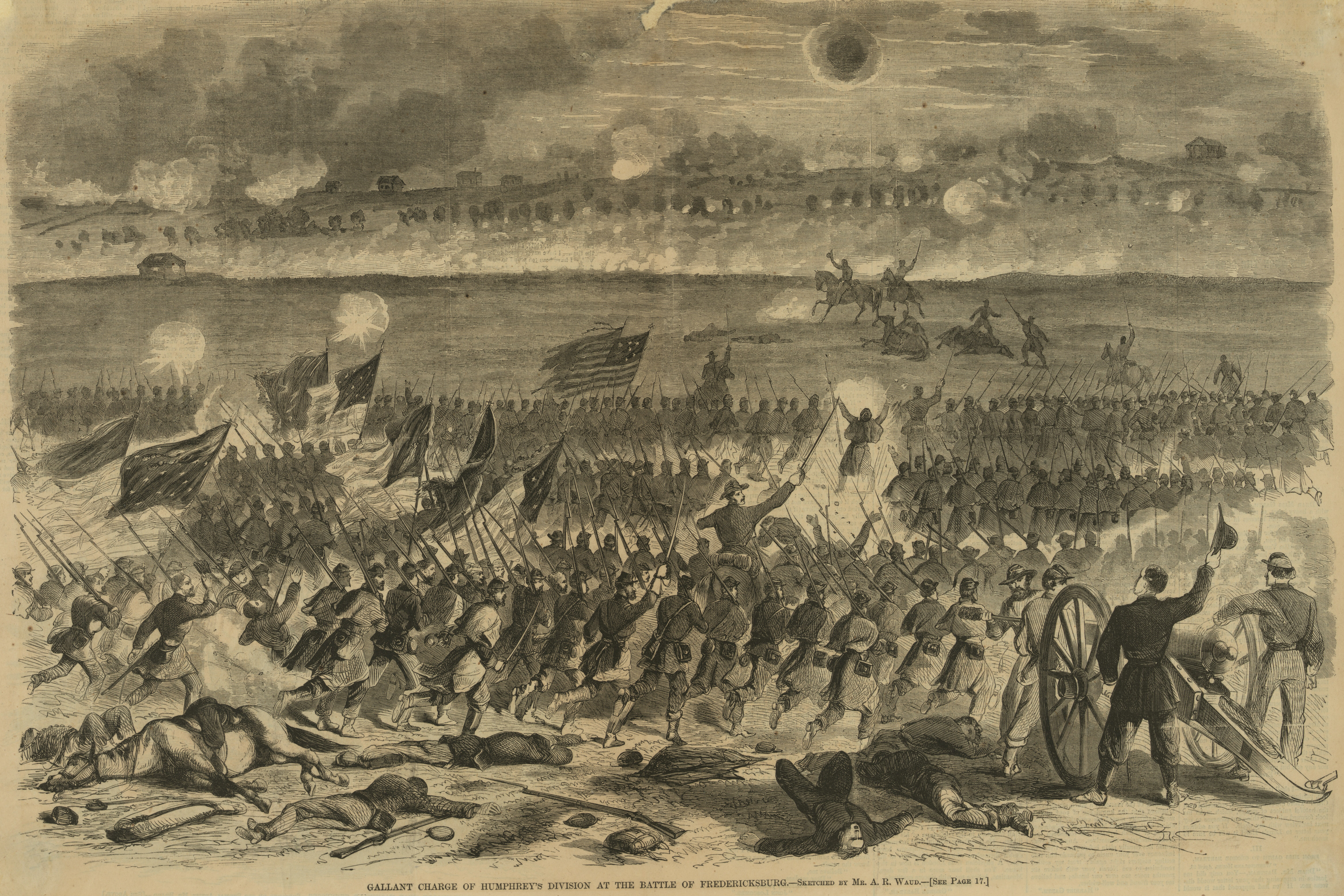
A sandstone outcrop a few blocks away, on Washington Avenue, is the closest anyone can get to where she's actually buried. Above it stands a 1894 monument dedicated by President Grover Cleveland, the only monument in the United States erected to a woman by women. Andrew Jackson had laid an earlier cornerstone there in 1833, in front of a crowd of more than 5,000. That first monument was never finished, and what was built was damaged during the Battle of Fredericksburg in 1862. Below the current marker, somewhere, Mary is. Probably. The radar can't tell.