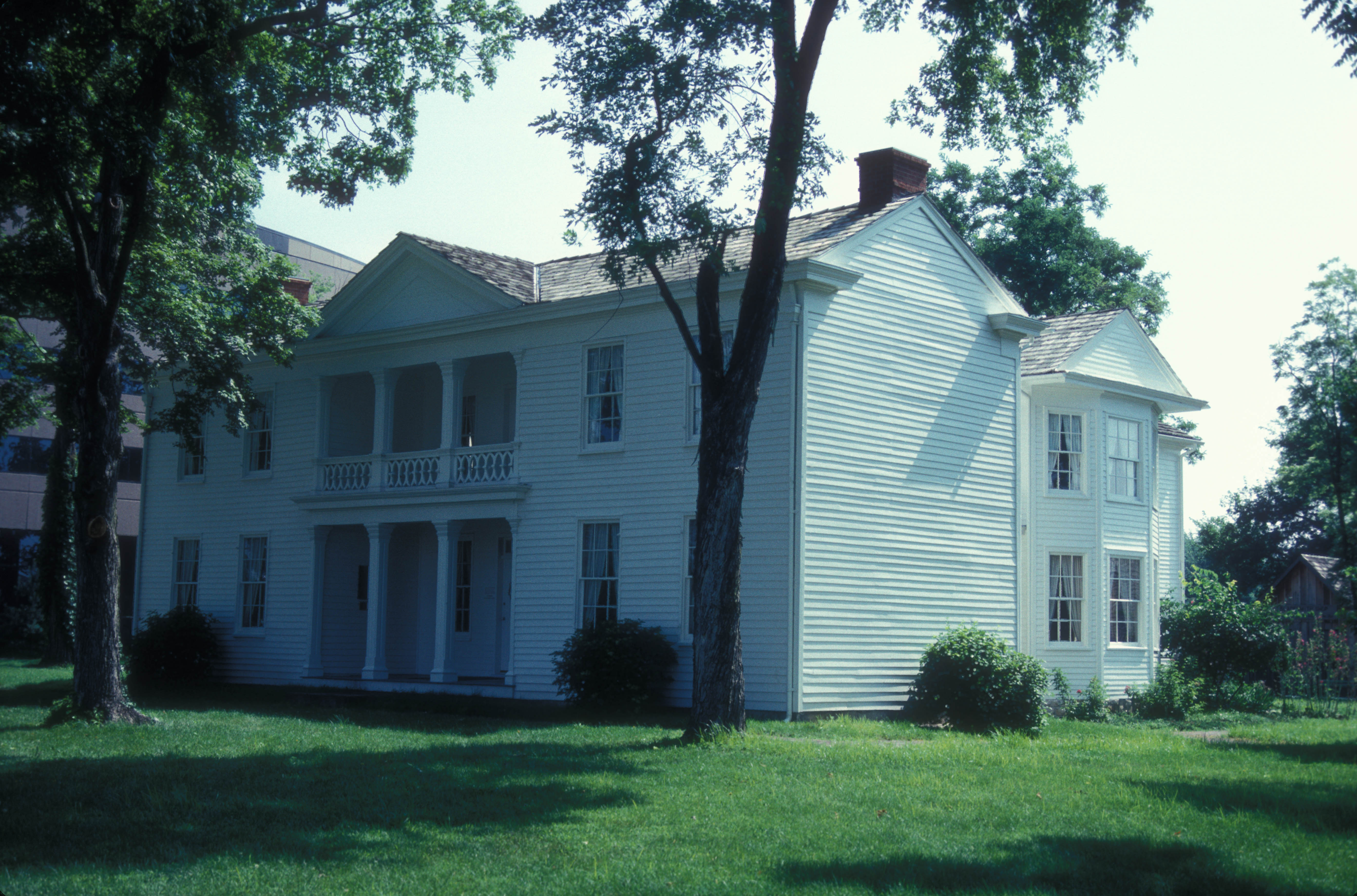
At the Alexander Majors House in Kansas City, visitors keep meeting a warm, domestic presence going about her chores. Staff think she's Louisa Johnston, who bought the crumbling 1856 mansion for $2,500 and spent 49 years putting it back together before she died inside it.
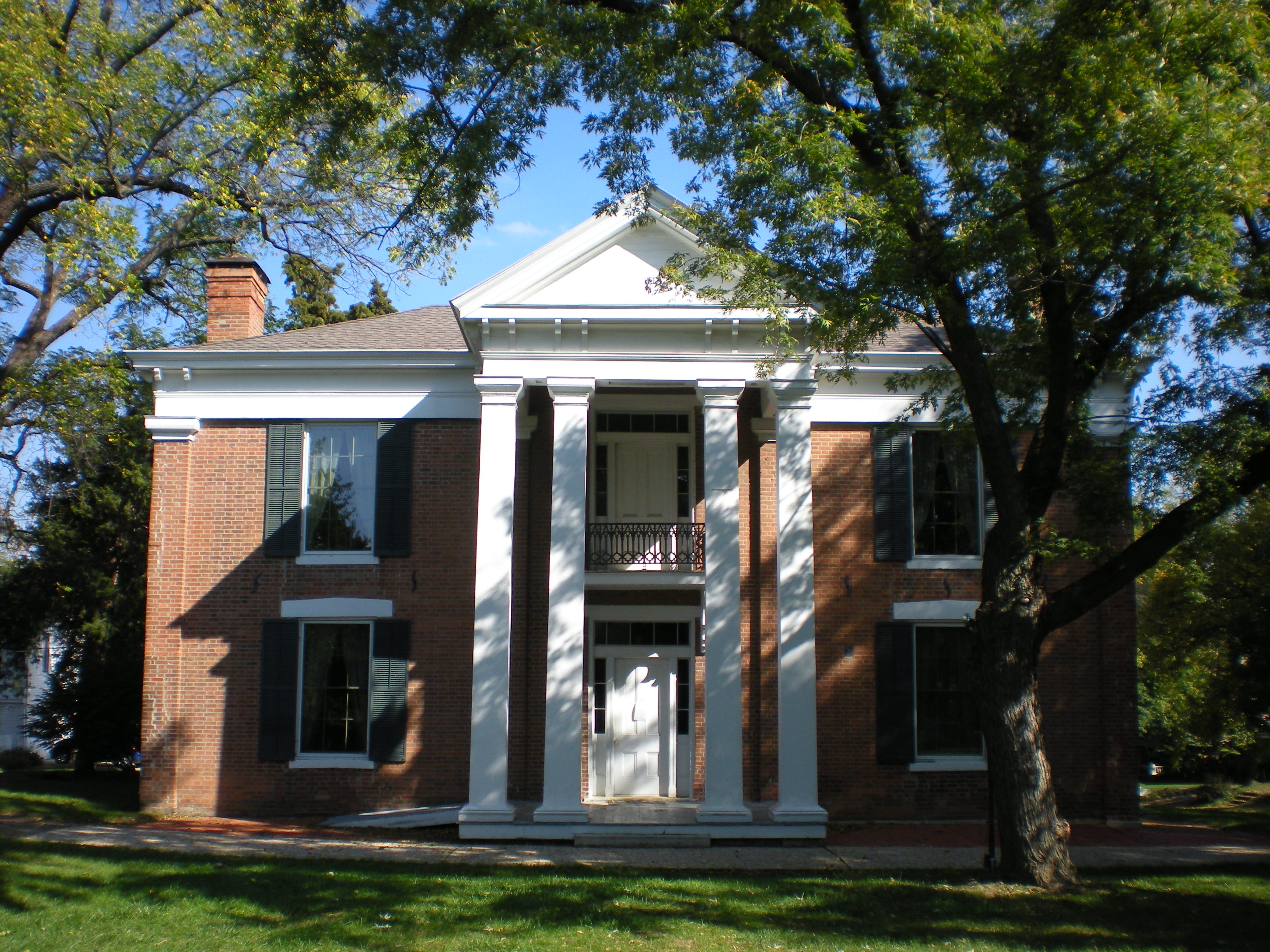
In 1930, a woman named Louisa Johnston paid the Kansas City school district $2,500 for a wreck of a mansion that nobody else wanted. It was her great-grandfather's house — Alexander Majors had built it in 1856 — and by then the roof was failing and the windows were going. She moved in around 1932 and started fixing it, room by room. She kept at that work for nearly 50 years.
People who pass through the Alexander Majors House in Kansas City, Missouri now say she never stopped. Visitors and staff describe a warm, domestic presence moving through the rooms, going about her tasks as though the place were still hers to keep up. Visit KC calls her "a friendly specter who spent her pre-ghost life restoring the home." She died inside the house in 1979, the same house she'd spent 49 years saving. It opened to the public as a museum five years later, and is now ranked among the most haunted spots in Kansas City — it has turned up in "Haunted Places: The National Directory" and on the Biography Channel's "My Ghost Story."
The mansion she rescued is one of only four pre-Civil War buildings still standing in Kansas City — nine rooms of Greek Revival construction sitting right on the Missouri-Kansas line, with the corrals and wagon shops once spread across the Kansas side. Alexander Majors ran the largest overland freighting operation west of the Missouri River out of it, some 3,500 wagons and 40,000 oxen at its height. He was a strict man about it: every driver had to sign a pledge not to drink, swear, or gamble, got a Bible, and was given Sundays off. From this house he also helped launch the Pony Express, whose first rider left St. Joseph in April 1860 and whose service folded barely 18 months later. Majors moved on long before the place fell into ruin. It was Johnston who stayed.
She isn't the only one. Benjamin Majors, Alexander's son, died here too, and is said to roam the rooms. Guests report voices. Staff report figures. Investigators working the house have logged cold spots and caught recorded voices — men's, women's, children's — in several rooms, and more than one of their sessions has been cut short before it could finish.
What lingers strongest, though, is the gentle one. The woman who found this house collapsing and gave it back its windows and its roof never handed it over. By every account she's still inside, tidying the rooms, finishing a job she never quite considered done.