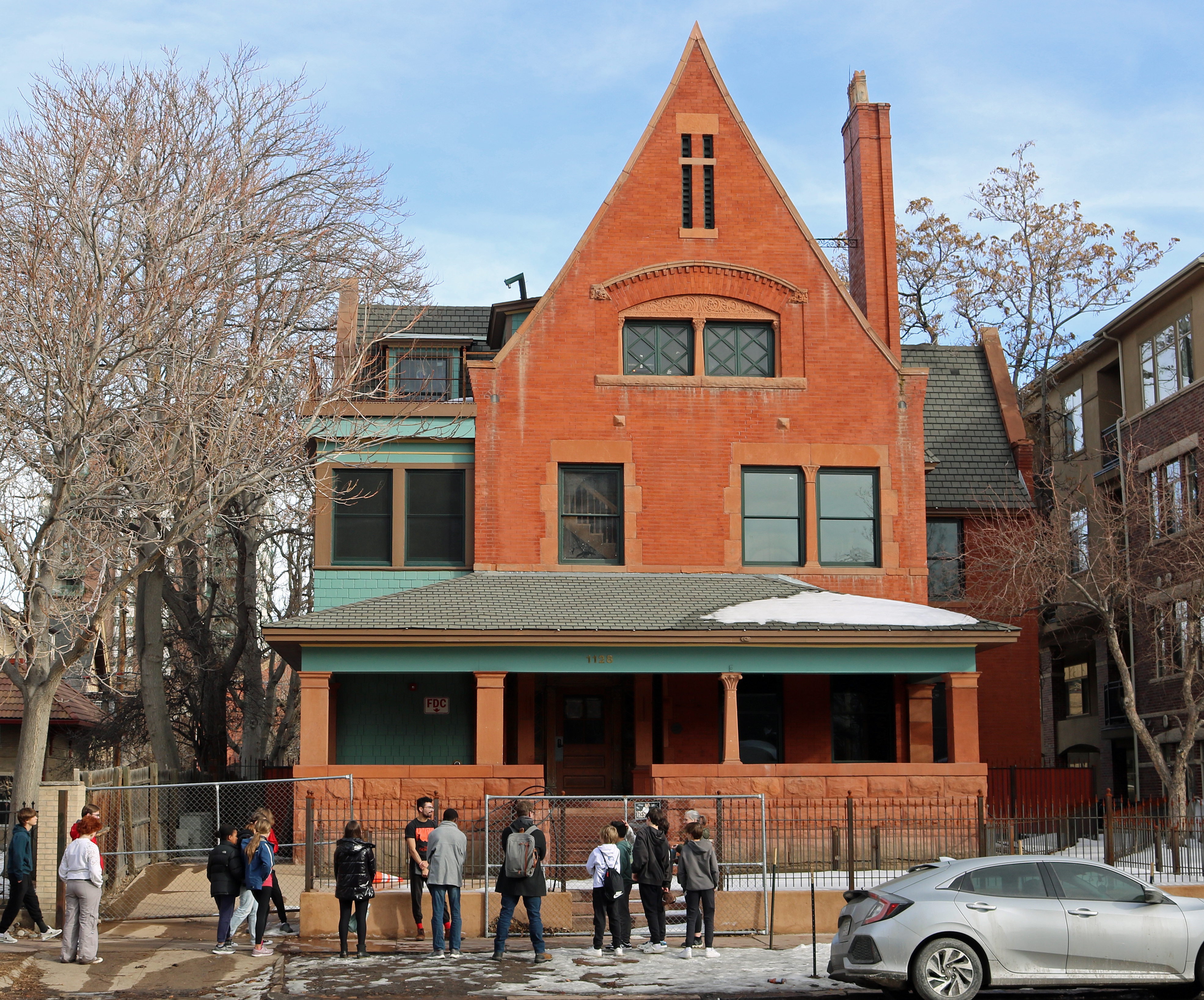
For years the chandelier in Denver's Peabody-Whitehead Mansion flickered, and managers kept calling electricians out to fix it. One of them finally opened the fixture up and found it wasn't connected to any wiring at all.
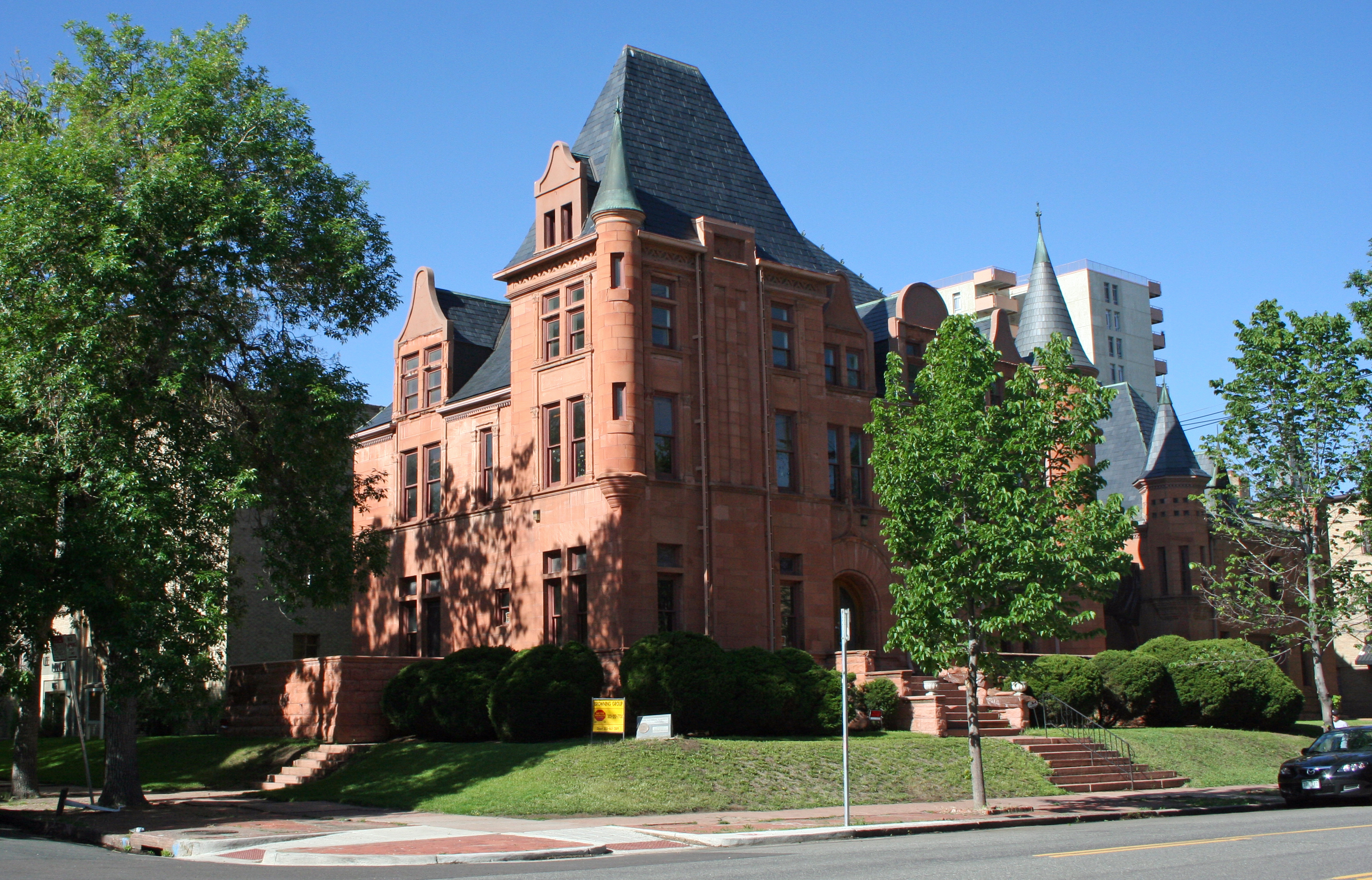
At the Peabody-Whitehead Mansion on Grant Street in Denver, there was a chandelier that flickered for years. During the building's restaurant years a manager kept calling electricians out to fix it, and one of them finally opened the fixture up. The story goes that he found it wasn't hooked up to any electrical wiring at all.
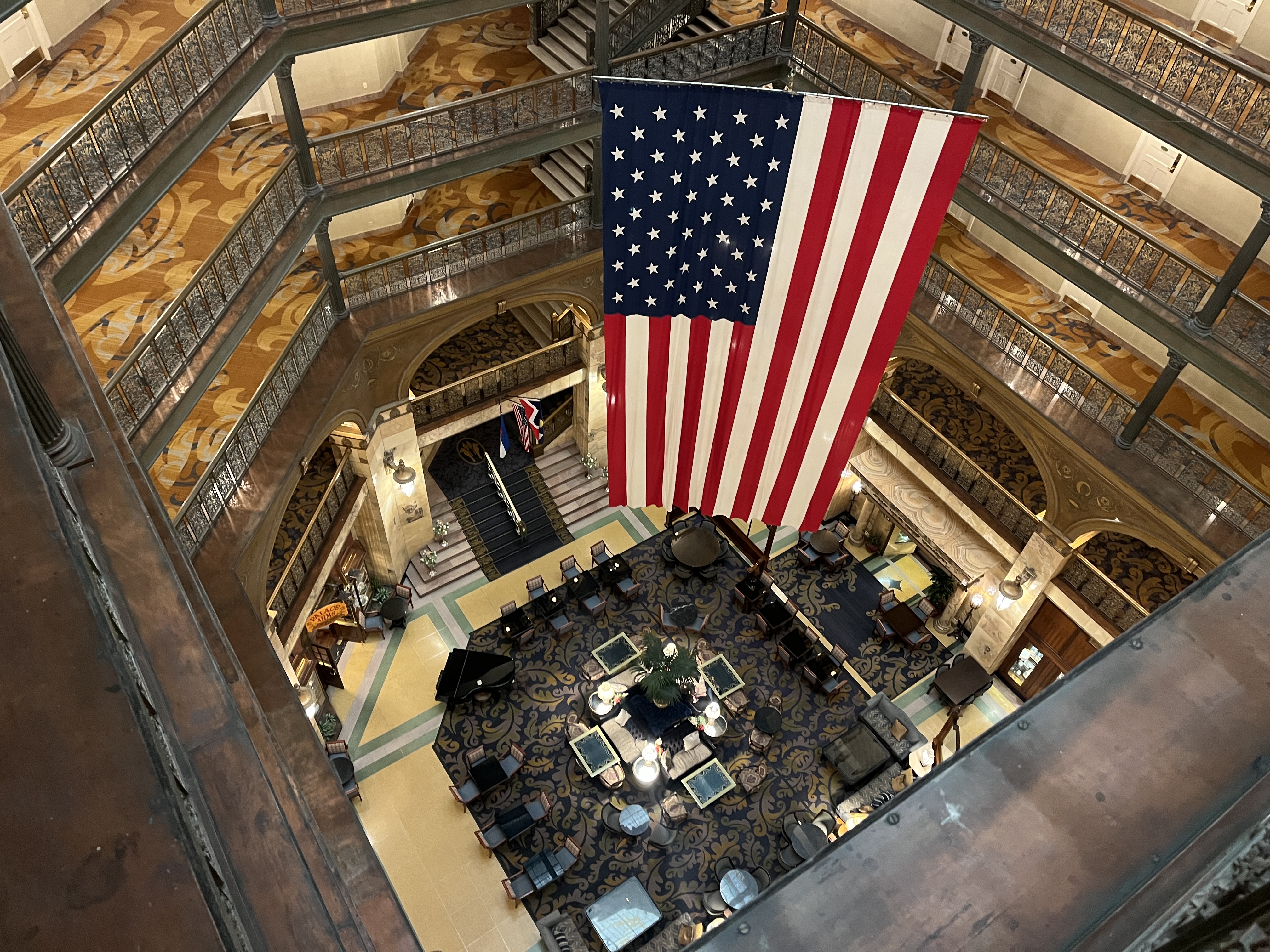
The mansion was built in 1889 for Dr. William Riddick Whitehead, a Queen Anne pile of Red Rock Canyon stone designed by Frank Edbrooke, the same architect behind the Brown Palace Hotel. Whitehead's past is the engine of the haunting. Born in Virginia in 1831, he studied medicine in Paris and Vienna, then spent two wars with his hands inside dying men: first as a volunteer surgeon for the Russian Army in the Crimean War, then for the Confederacy in the Civil War.
The legend told around Denver is that the soldiers he couldn't save followed him home, and never left. The mansion is said to hold at least twelve spirits.
Most of them surface from the restaurant and bar decades. Staff reported glassware breaking untouched on the bar, silverware and dishes flying, furniture thrown across rooms, disconnected servants' bells and phones ringing, and a baby crying somewhere in an empty building. A young woman called Eloise, sometimes Ella, is said to linger on the upper floors, turning up in mirrors and windows. A waitress, the story goes, hanged herself with her apron from the basement pipes. And near the first-floor women's room, people report an older man they never see, who announces himself with the smell of cherry pipe tobacco.
In 2012, Ghost Adventures filmed an episode there built around a rumored 1970s murder, a woman supposedly killed and buried beneath the building. The crew contacted Denver police afterward about possible human remains. No body was ever found, and no cold case was ever closed.
The mansion is something else now. A developer bought it on Halloween in 2013 and spent over $3 million turning it into eight luxury apartments, leaning into the dark history with a deconstructed stairway, dolls in the basement, and vintage prosthetic limbs left out as decor. People are moving into the rooms where the soldiers were said to have moved in first.