People cutting through Old Lorimier Cemetery in Cape Girardeau, Missouri feel a hand on the shoulder. They turn, find no one, and it taps again, until they're rattled enough to walk fast for downtown. A historian spent years collecting the accounts.
You feel a tap on the shoulder at Old Lorimier Cemetery in Cape Girardeau, Missouri, and you turn around expecting a person. There's no one there. People walking through have taken the first one for a nut dropping out of a tree, brushed it off, kept going — and then it comes again. One tap, then two, then a third, until whoever it's following gives up and walks fast for downtown.
The man who collected those accounts was Dr. Frank Nickell, a regional historian, who tracked them across years of local newspapers. "Many people indicated, and have told persistent stories, that as they were walking through the cemetery someone would tap them on the shoulder," he said. Women report a sharper version of it: not a tap but a yank of the hair from behind, the pull coming from nobody.
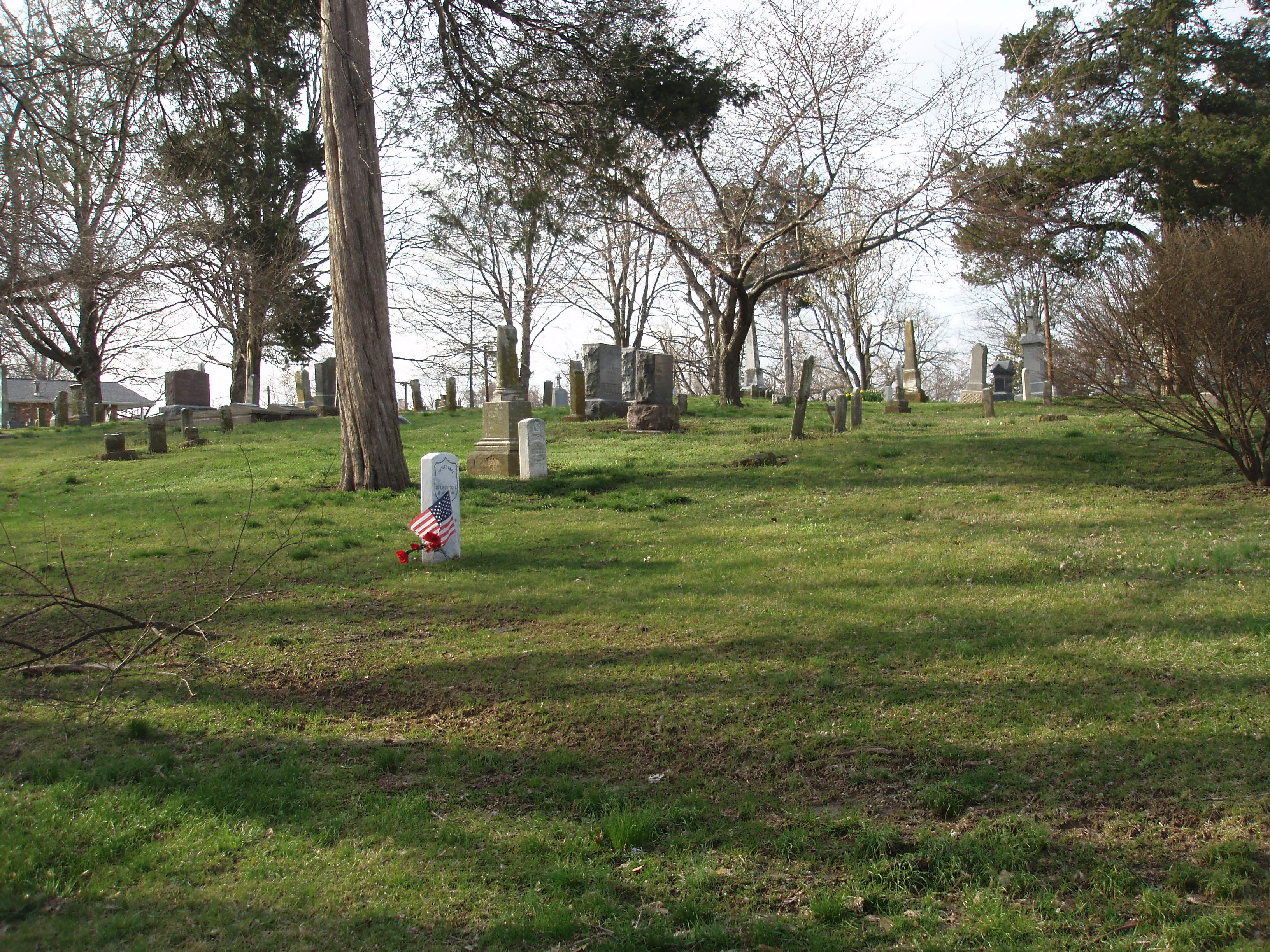
It is the oldest public cemetery in the city, on a hill at the top of North Fountain Street, above the Mississippi. The reason it feels so crowded underfoot is that almost no one here is marked. There are something like 6,500 graves and only about 1,250 stones; the rest lie unnamed, including as many as 1,200 Civil War soldiers laid in without a marker. The ground was divided up by religion, Catholic from Protestant, and the east slope is believed to hold African-American burials. Where the lines fell exactly is no longer certain. Most of the people sorted by them have no stone left to say which side they were put on.
A long-told local legend has a tunnel running from the cemetery to a Civil War smallpox hospital a block away, used to move the dead in for burial at night without a record. No trace of any tunnel has ever been found. Nickell has wondered aloud whether the hill held burials long before any Europeans reached it, though nothing in the record proves that one way or the other.
The first grave anyone can name belongs to a Shawnee woman named Charlotte. She was the wife of Louis Lorimier, the fur trader who founded the town, and when she died in March 1808 he buried her on this rise and started the cemetery with her. He was laid in beside her four years later. Her marker is still legible, and out of all the thousands gone nameless on the hill, it is one of the few that says anything at all. It doesn't give her dates or her married name. It reads: "The Noblest Matron of the Shawnee race."