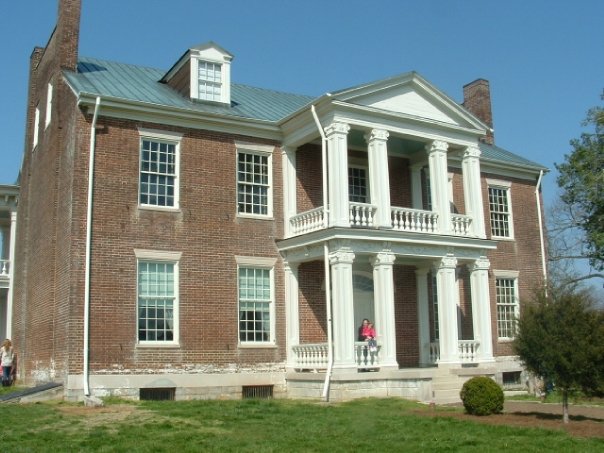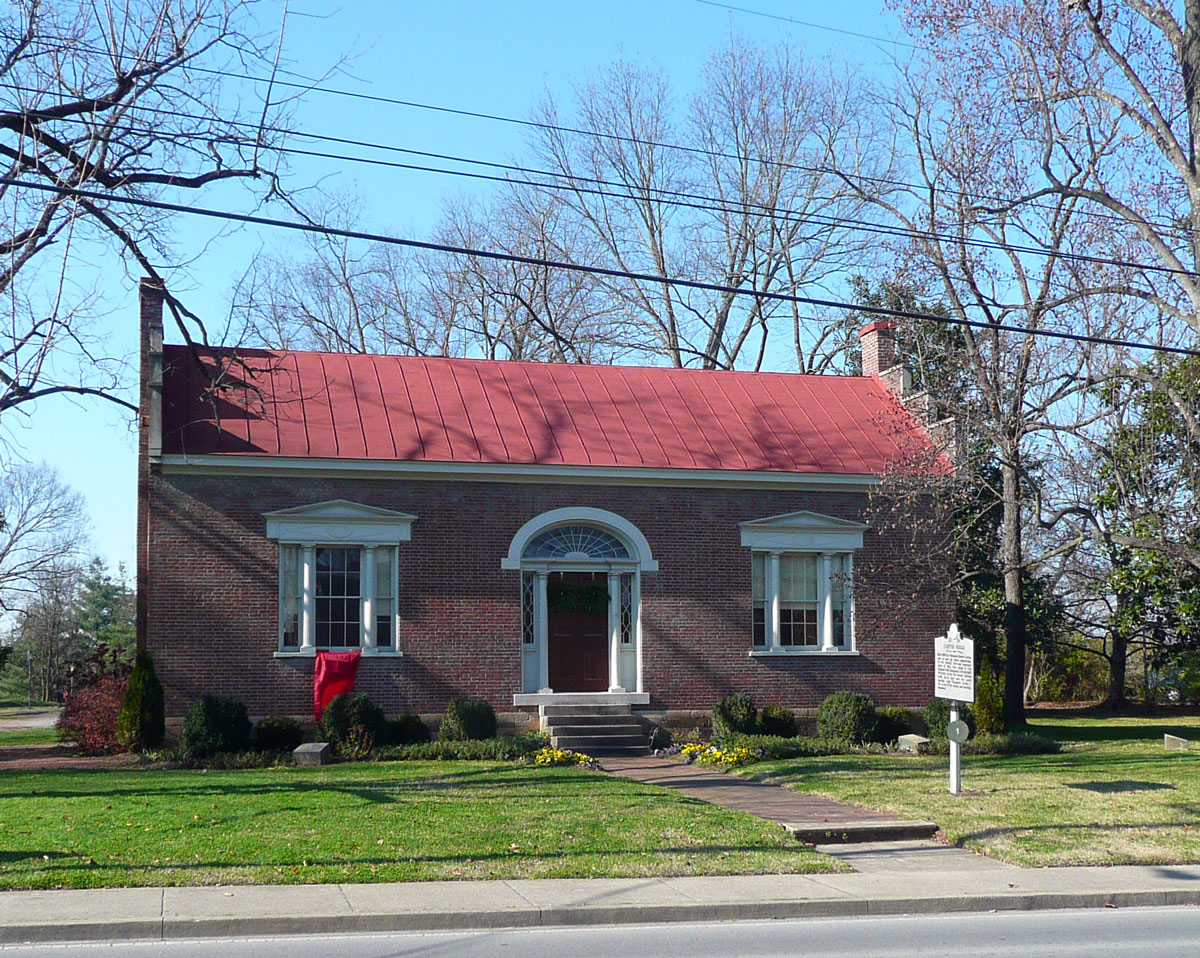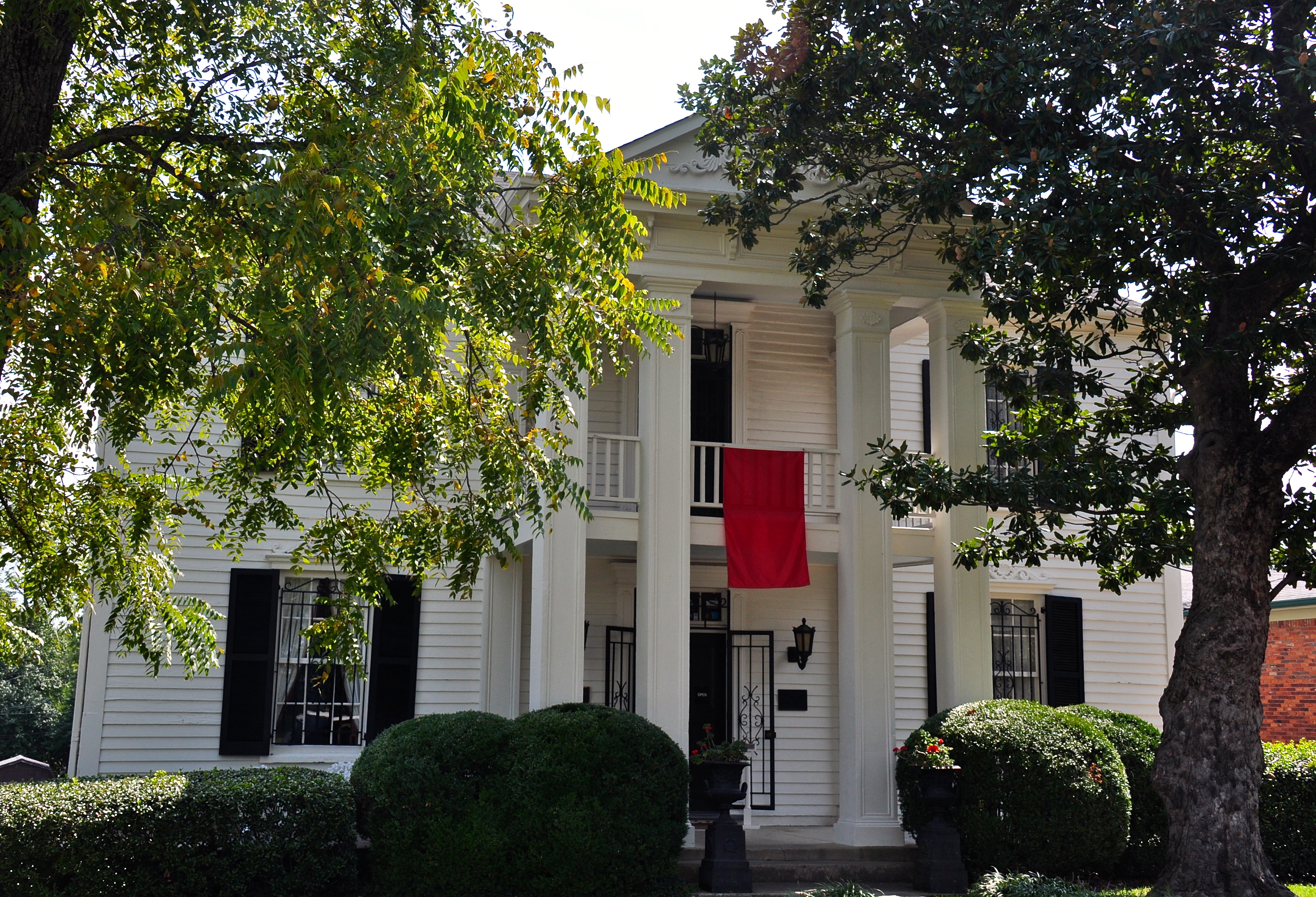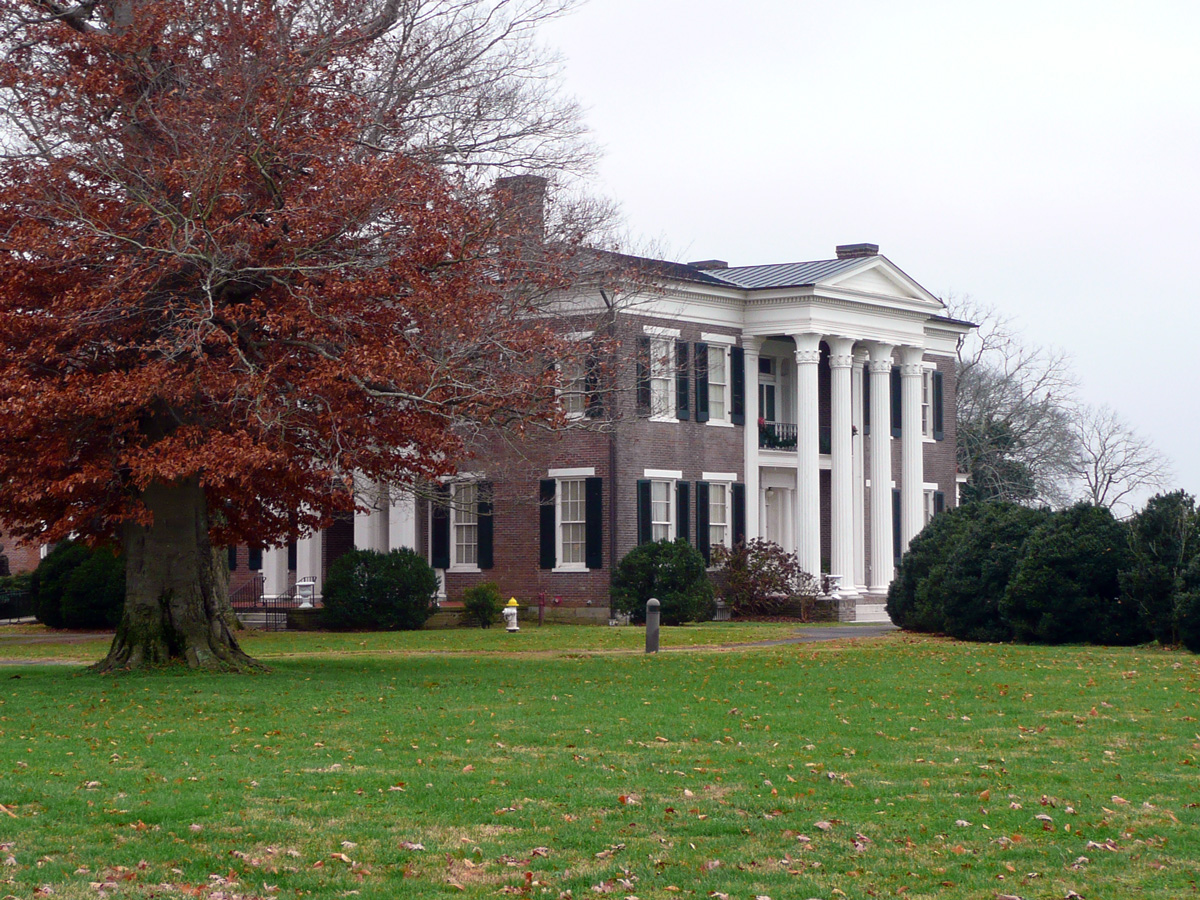
In the upstairs nursery at Rippavilla, outside Spring Hill, Tennessee, an antique lamp keeps turning up lit when no one is near it. The mansion was a Cheairs family home before the Civil War made it a field hospital, one bedroom a surgery.
The lamp in the upstairs nursery at Rippavilla has an old turn-key switch — the kind you close by twisting it with your fingers. There's no lighting it by accident. And at this 1850s mansion outside Spring Hill, Tennessee, investigators keep finding it lit.
Paul Browning, who has worked the house with Innovative Paranormal Research, once checked a light in that nursery, confirmed it was off, and came back to find it burning. Others say the turn-key lamp does the same on its own: no hand near it, the key turned, the bulb warm.
The fullest account comes from a July 2013 investigation led by Dudley Pitts. Two upstairs lamps — one in the nursery, one in the master bedroom — were found switched on with no one having touched them. The lead investigator crossed to the master bedroom and shut its lamp off. As he started toward the nursery to do the same, the nursery lamp went dark on its own, a step ahead of him.
Rippavilla was a family home first. Nathaniel "Nat" Cheairs, a major in the 3rd Tennessee Infantry, built it between 1852 and 1855, his fortune resting on a plantation that by 1860 spanned a thousand acres and enslaved 75 people. Then the war reached the front lawn. On the morning of November 30, 1864, General John Bell Hood gathered his commanders in this house, the day after a 20,000-man Union column had slipped past his sleeping army in the dark, the blunder Civil War historians call the Spring Hill affair. Several of the generals who met here that morning were dead by that afternoon, killed at Franklin, among them Patrick Cleburne.
The wounded came back to Rippavilla, and one of its bedrooms was turned into a surgery. That room is the loudest now. Investigators inside it report the smell of pipe tobacco and something astringent, like witch hazel, and the staff point out old blood worked into the floorboards. The nursery and the surgery open onto the same hallway, a child's room and an amputation room a few doors apart.
There are voices elsewhere. Guests report rosewater perfume in empty rooms and the sound of children laughing. In the meeting hall behind the house, an investigator promised the group would leave if something moved a ball across the floor. Author Lewis Powell IV was in the room: "Not two seconds after he said that, a very small, male voice was heard from a side of the room where no one was sitting. The voice asked, 'All of you?'"
The porch ceilings at Rippavilla are painted haint blue, the old color a Southern house wore to keep spirits from crossing its threshold. Whoever chose it was taking the possibility seriously.