A man named Foster kept giving a barefoot young woman rides up the Roaring Fork Motor Nature Trail above Gatlinburg. She wouldn't give her name. Then her family told him the girl he was describing had died in a cabin fire years before, on a cold winter night.
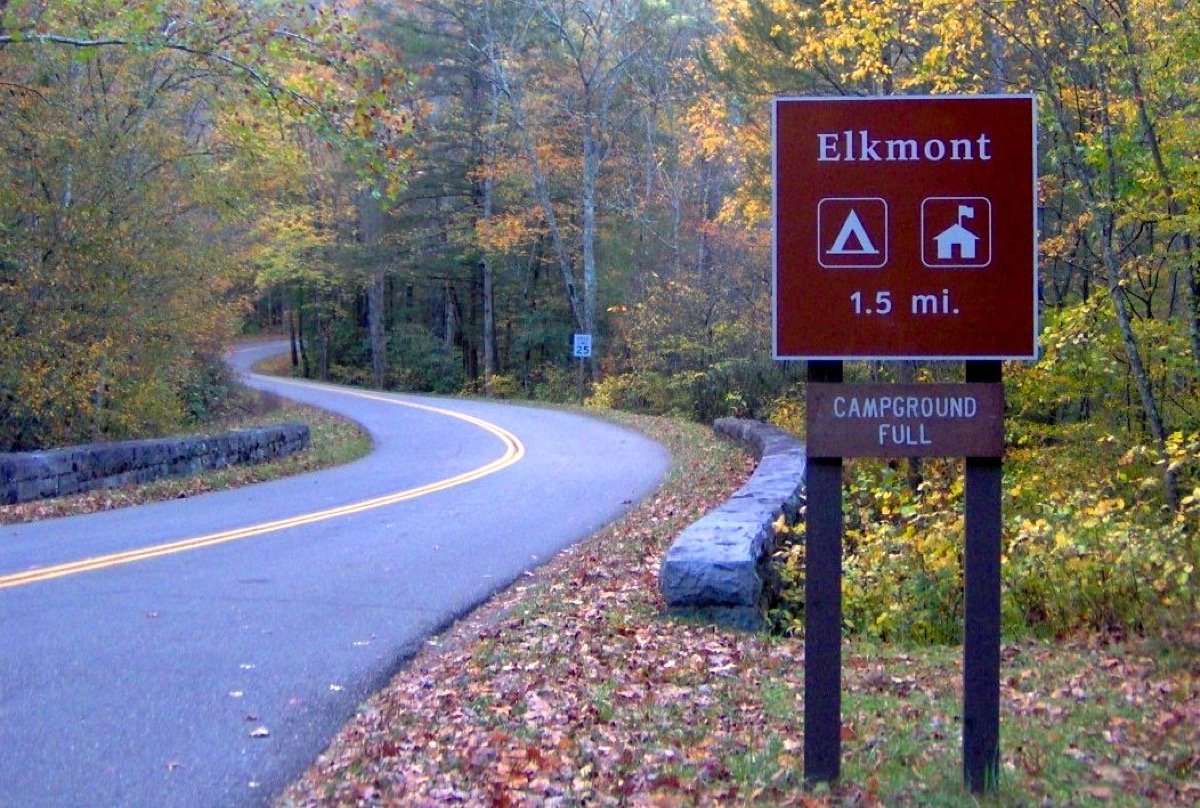
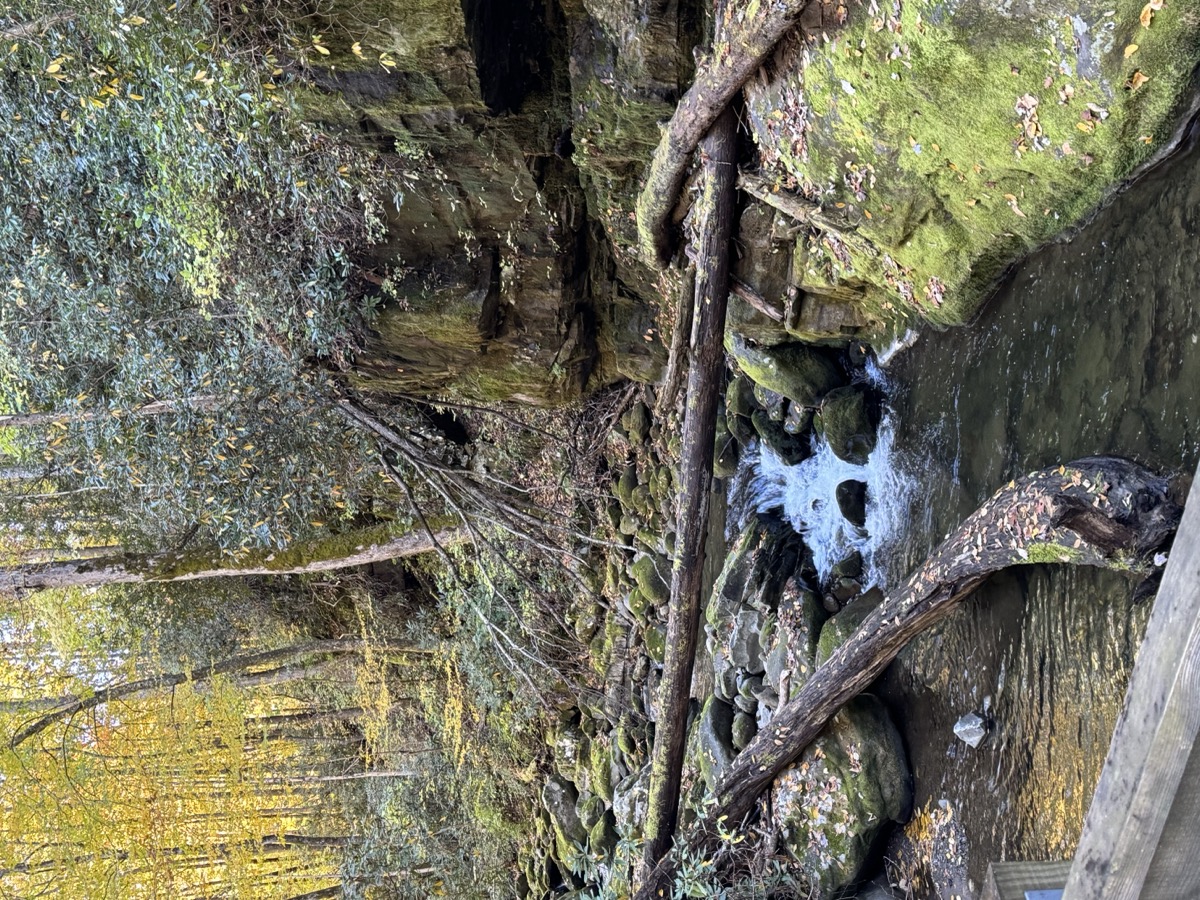
A man named Foster kept meeting the same young woman on the mountain road above Gatlinburg, Tennessee. She was barefoot every time, and cold, walking the shoulder of what's now the Roaring Fork Motor Nature Trail, the narrow 5.5-mile loop that climbs out of town past old-growth forest and preserved log cabins. He gave her rides toward her family's place. She kept her distance about it. As one telling has it, "She was coy. She wouldn't tell him her name and she never let him ride all the way up to the cabin."
Her name, the story goes, was Lucy.
He kept picking her up, and in some versions fell for her over those cold drives. Then one day he asked her family after her. They told him the girl he was describing had "died many years ago in a fire." A cabin on the mountain had burned on a winter night in the early 1900s, and Lucy hadn't gotten out. The tellings can't agree on the year — 1900, 1909, the early 1920s, depending on who's talking — but the shape holds: he'd been giving rides to a woman years dead.
So much for the old telling. The newer one comes from people driving the loop today. They describe a barefoot young woman in a white dress on the trail, most often in the coldest months, in early-morning fog or right before the sun drops behind the ridge. She's ahead of the car, on the shoulder. Slow down to be sure of what you're seeing, and by then there's no one walking that stretch at all.
None of it touches a record. The people who carry the story went looking through the newspapers, the cemetery rolls, and the county's own files, and no Lucy at Roaring Fork surfaces in any of it, a gap they admit to themselves. Some locals will even tell you the whole legend was invented as recently as the 1990s. It's a vanishing hitchhiker, the kind that drifts from one dark road to the next, and this is the road Gatlinburg handed it to.
Roaring Fork is a seasonal road. It runs one way, bars buses and trailers, and closes through winter, the gate chained shut at Gatlinburg's traffic light #8 for the deepest cold. That is the same window Lucy is said to walk most: the frozen shoulder, the fog, the woman with no shoes. The stretch of calendar she supposedly haunts hardest is the stretch no driver can reach her. The loop just sits there behind its gate, empty, waiting on spring to open again.