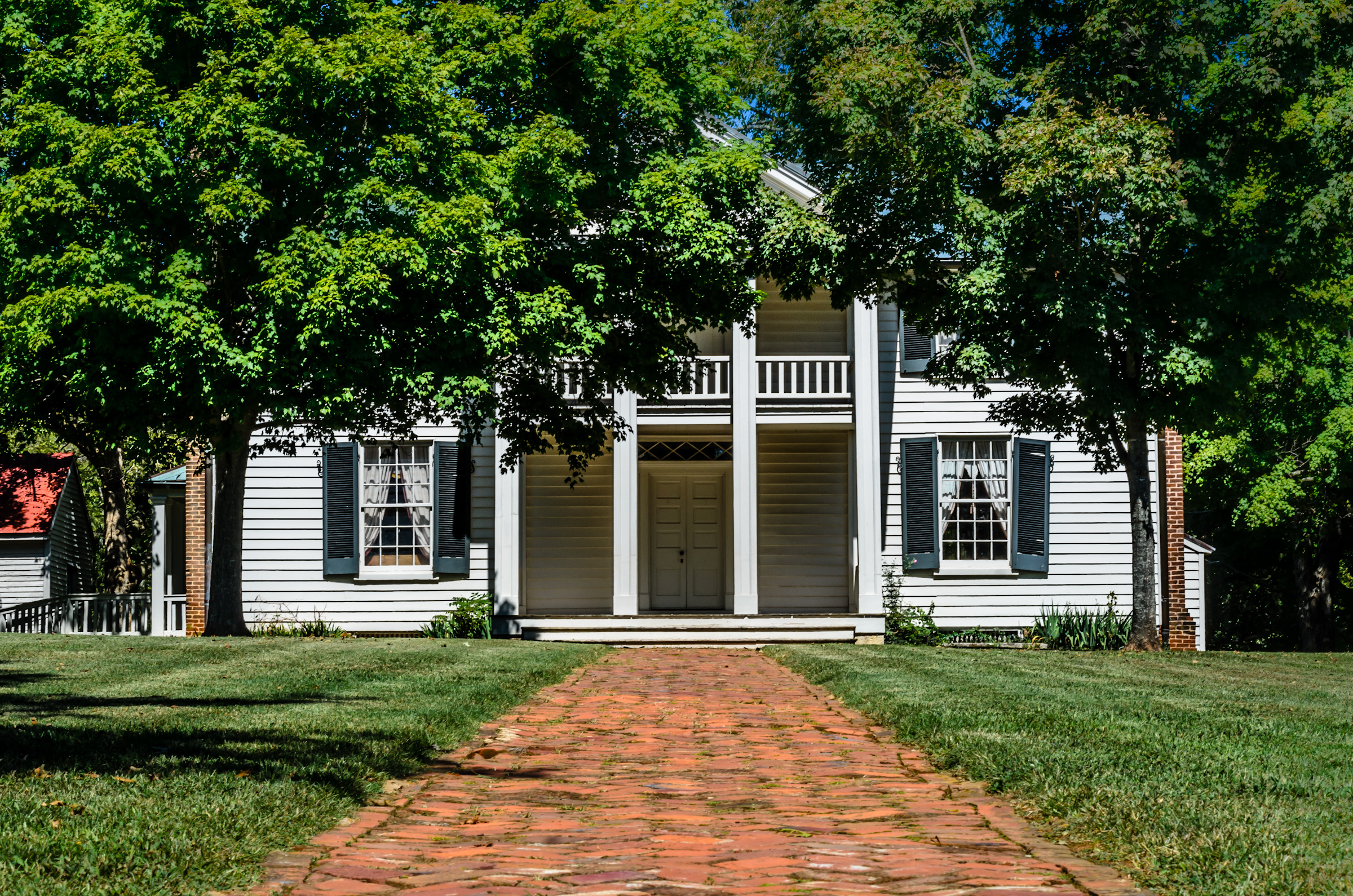
The ghost stories at the Sam Davis Home come from the staff who unlock the doors, not from any paranormal crew. Almost every spirit they can name is a Davis who died in the house: a mother, a grandmother, the boy hero hanged in 1863 and laid out in the parlor.
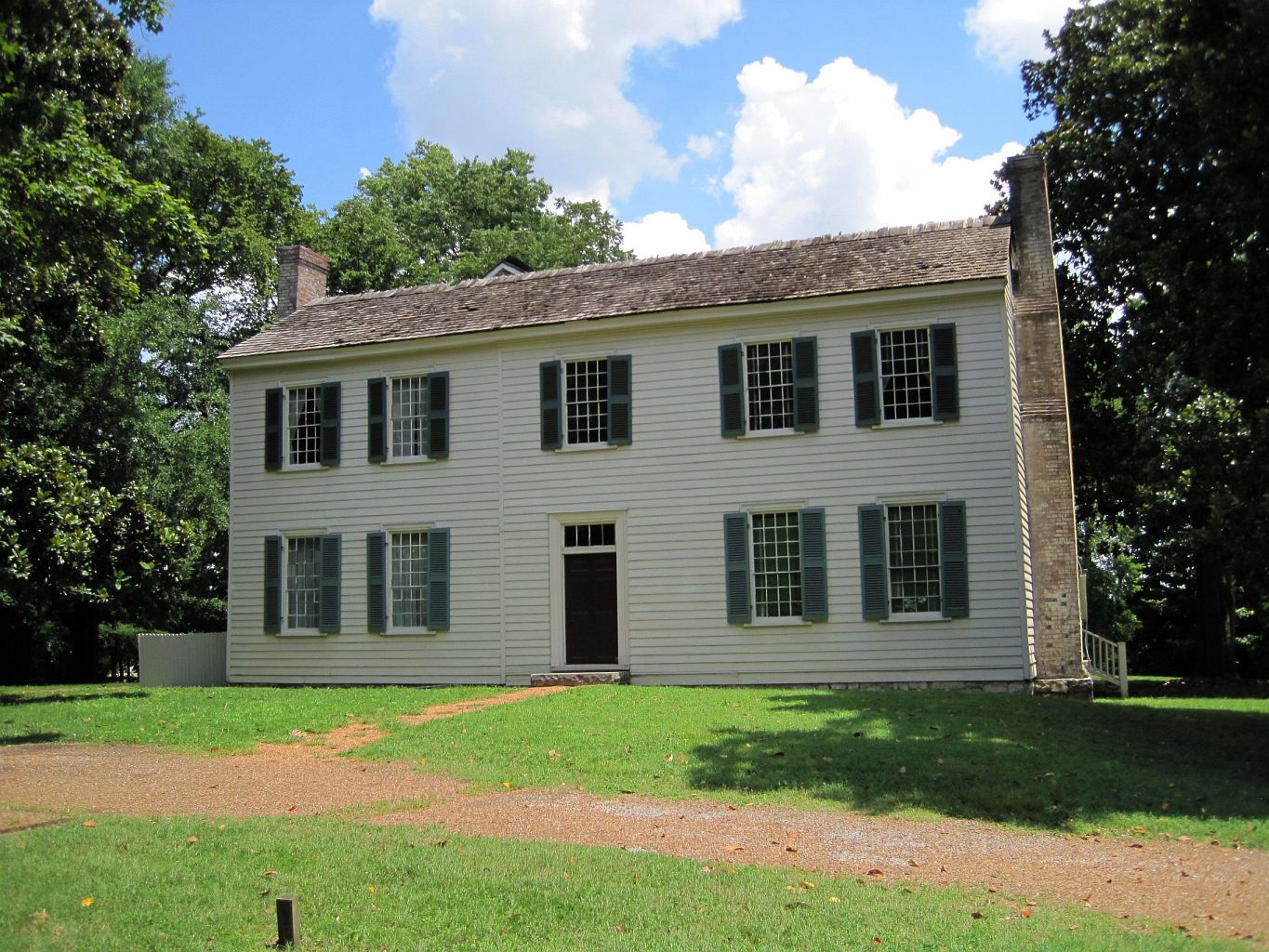
Before the volunteer coordinator at the Sam Davis Home opens the dining-room door, she knocks. The door sticks, and Erica Dahlgren has decided the reason isn't the wood. It's Miss Jane, who doesn't care to be walked in on. So Dahlgren knocks, asks permission, and waits a beat before she goes in. She is addressing a woman who has been dead well over a century.
Miss Jane is Jane Simmons Davis, and this was her family's farm outside Smyrna, Tennessee. She is also why the hauntings here run strange: almost every ghost the staff can name is a Davis who died in the house. This isn't a place ghost hunters made famous. The people who tell the stories are the ones who unlock the doors in the morning.
Her son is why anyone knows the name at all. Sam Davis rode with Coleman's Scouts, was captured carrying dispatches through Union lines in 1863, and was hanged at Pulaski at 21 for refusing to say who gave him the papers. They called him the Boy Hero of the Confederacy. His body was brought back to this farm and laid out in the parlor before burial in the family cemetery out back. On the anniversary of his wake, staff say, crying comes from that room.
The witnesses have tenure. Lee Lankford has volunteered on the grounds for more than thirty years, and by his own account hears footsteps upstairs nearly every time he stands alone on the floor below. "It seems like every time I'm downstairs I hear footsteps upstairs," he says. Once he looked up at Grandma Elizabeth's second-floor bedroom window and saw a woman watching him, the house locked and empty around her. A wooden music box in the director's office has played on its own, closed and unwound for years. A rocking chair in the parlor began rocking the day a guide mispronounced Grandmother Simmons' name; the staff read it as a correction.
Summer Stevens, who interprets the site, hears the footsteps overhead when she's alone downstairs and doesn't mind them. "They're nice to be around, actually," she says of the Davises.
Two figures don't fit the family. A woman in a green 19th-century dress turns up often enough that visitors mistake her for a guide, except the guides don't wear period clothing and no one can say who she is. A tall, bearded man watches from the upstairs windows during tours, and he has no name either.
Every ghost that does have a name is a Davis. By the 1860 census the family enslaved 51 people on this land, a number the home's director has stated openly. None of them are among the spirits the staff greet by name.