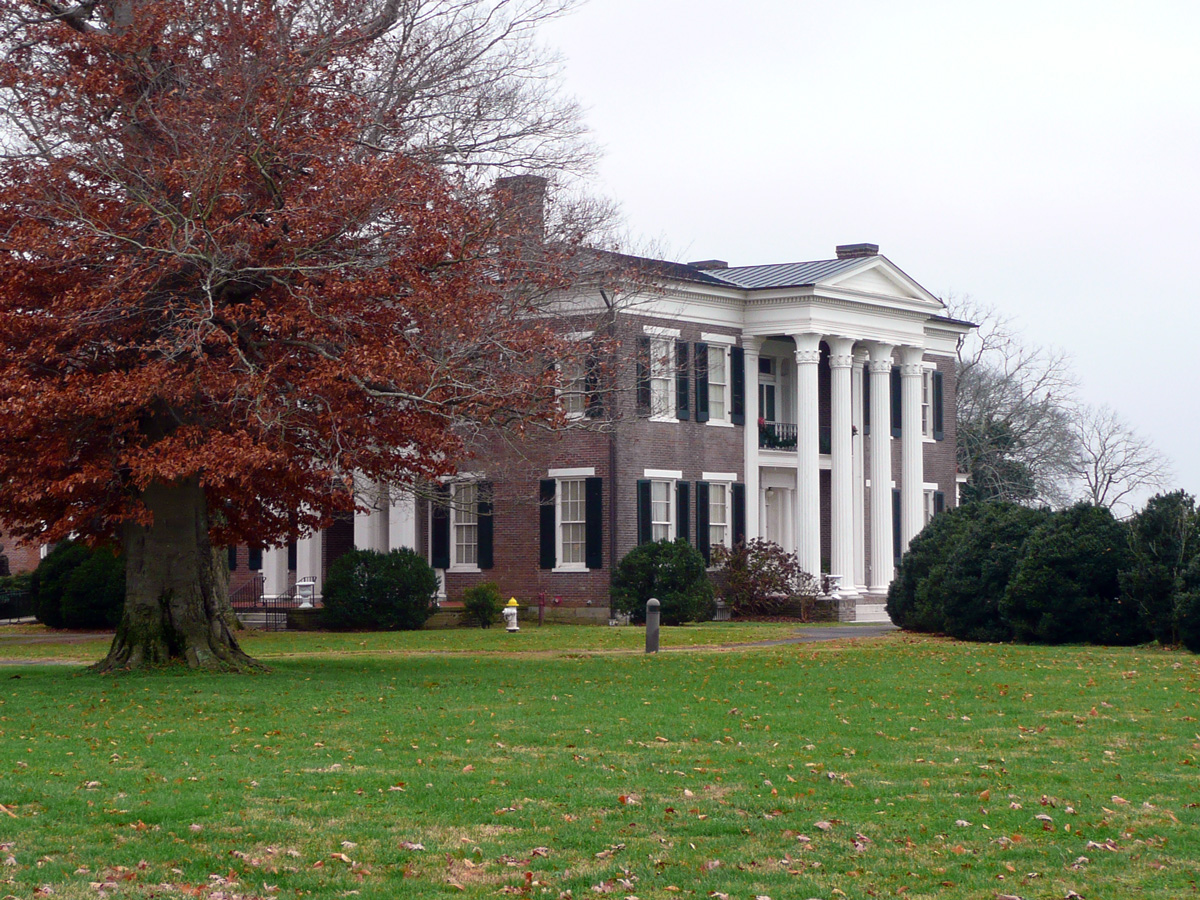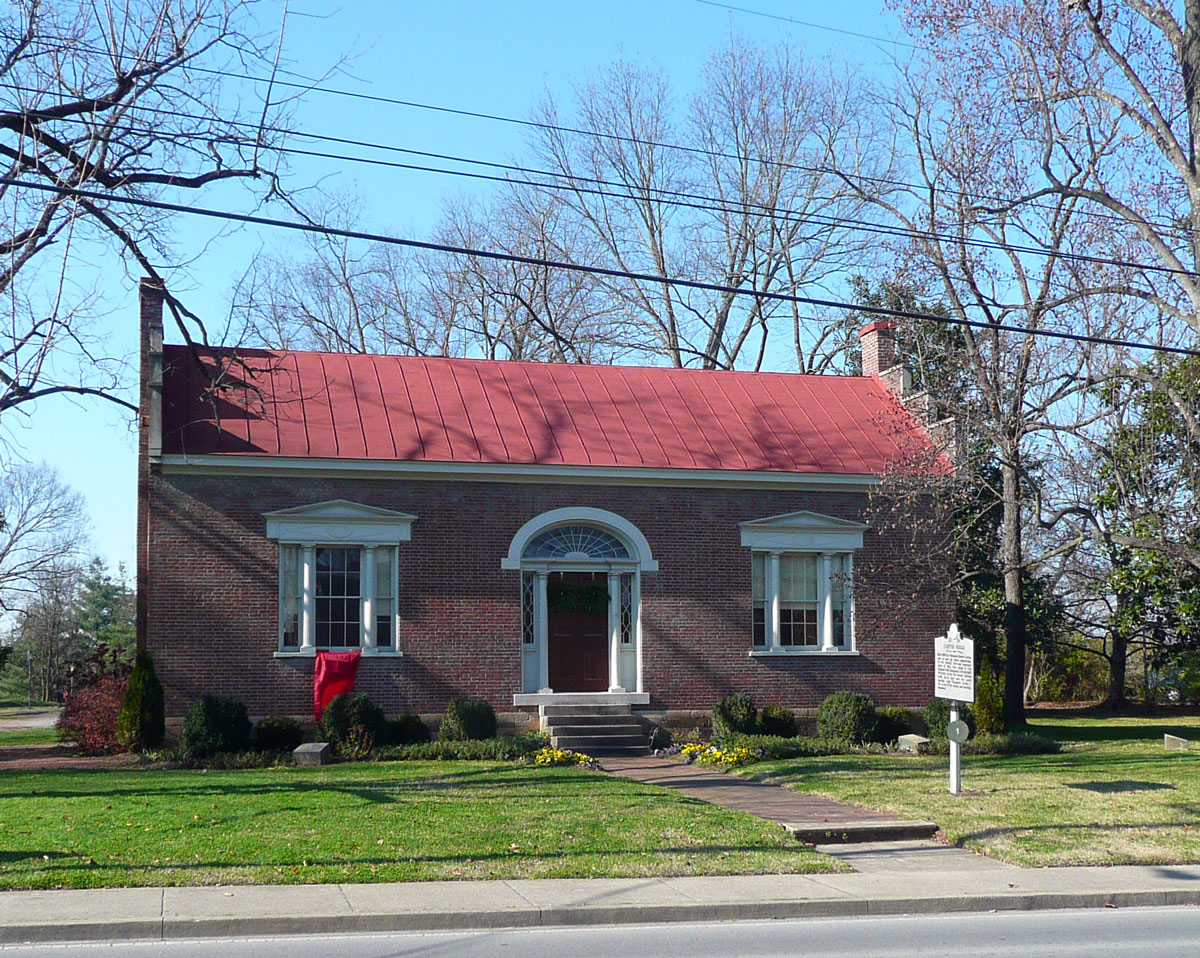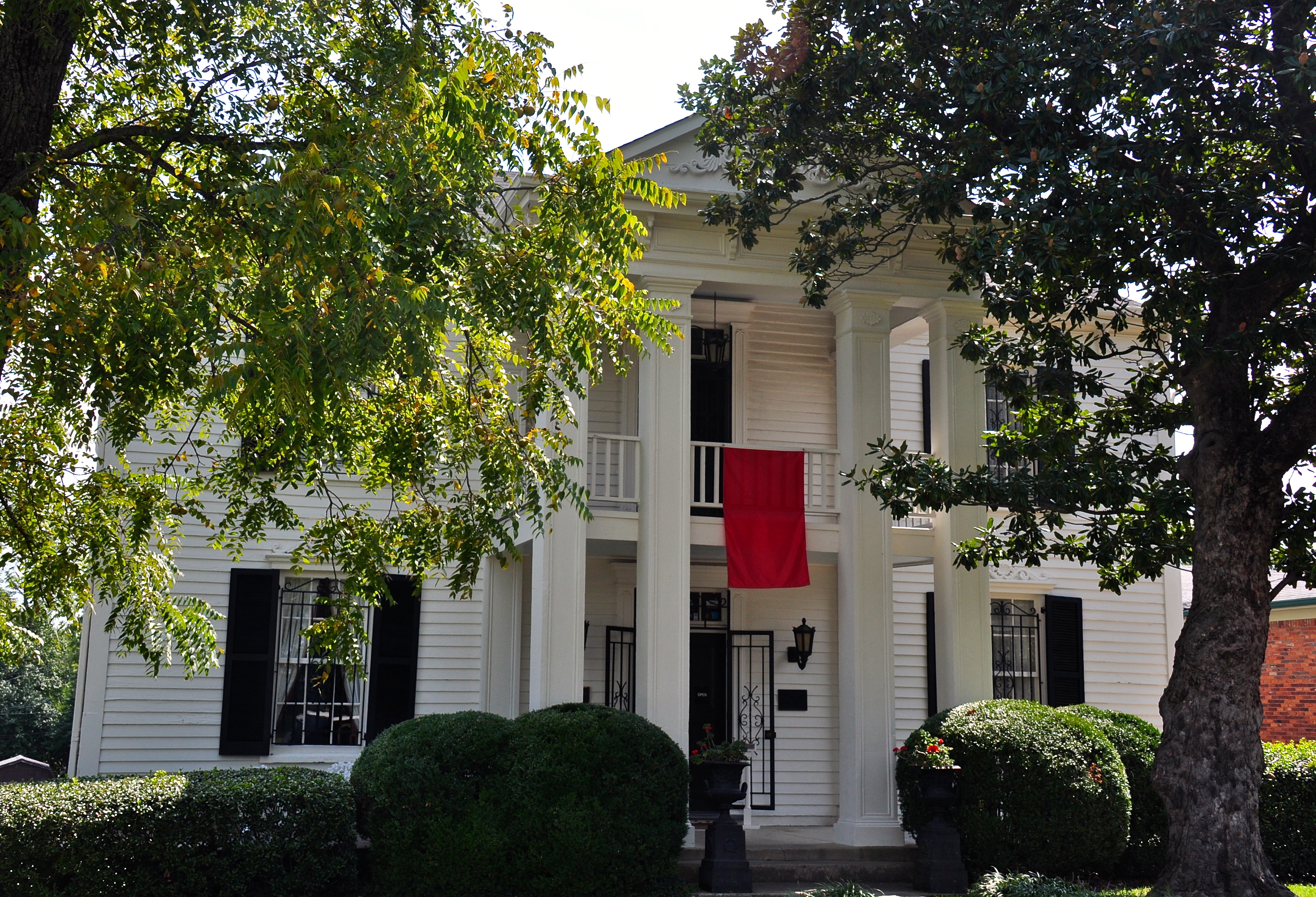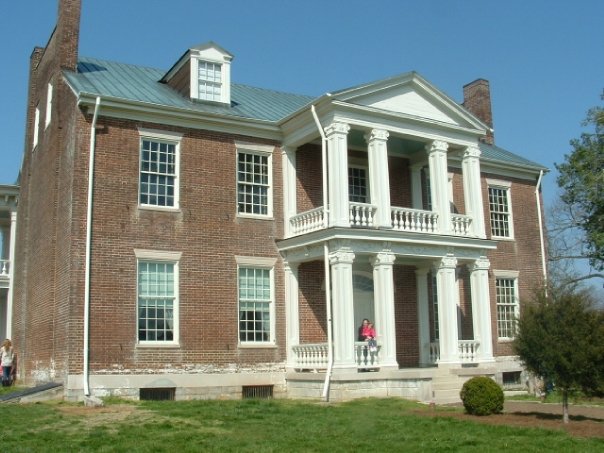
A woman in a long dark dress paces the upstairs halls and back porch of Carnton, the Franklin house that became the largest Confederate field hospital of the 1864 battle. Witnesses say she moves like she never left her rounds. The descriptions match Carrie McGavock.
The woman they describe at Carnton wears a long dark dress and moves like she still has rounds to finish, down the upstairs halls and out onto the back porch, slow and purposeful. Carnton is an 1826 brick house on the edge of Franklin, Tennessee, and the people who report her keep coming back to the same woman. The name they land on is Carrie McGavock.
On the afternoon of November 30, 1864, the Battle of Franklin broke over the fields around the house and lasted about five hours. It left roughly 9,500 men killed, wounded, captured, or missing, nearly 7,000 of them Confederate. Carnton became the largest field hospital in the area and took the overflow: as many as 300 wounded men carried inside, surgeons working in the upstairs rooms, at least 150 dead before morning.
Carrie McGavock was the only adult woman in the house that night. When the bandages ran out she tore up her linens, then the towels and napkins, then the sheets and tablecloths. A Confederate officer who was there put it plainly: "The wounded, in hundreds, were brought to the house during the battle, and all the night after."
By the next morning, the traditional account has four Confederate generals — Cleburne, Granbury, Adams, and Strahl — laid out dead on the back porch. The restored upstairs floors are stained where the wounded were laid and bled.
Carrie didn't stop when the war did. In 1866 the McGavocks gave two acres of their land for a cemetery, and close to 1,481 soldiers were reinterred there, arranged by state, the largest privately owned military cemetery in the country. Roughly 500 of them were never identified. Carrie kept and maintained the burial record and tended the graves for the rest of her life. She died in 1905 and was buried on the property.
The rest of what people report fits the ground it happened on. Cold that drops hard in the old operating rooms. Confederate soldiers walking the fields at the edge of the property. A cook no one can see, and the faint clatter of dishes in the kitchen after dark. At the cemetery, visitors talk about a heaviness, a sense of being watched, figures standing among the stones that hold shape for a moment, then don't.
The house is a museum now, run by the Battle of Franklin Trust, and its guides don't sell any of this. They walk you through the rooms and stop where the wood floor went dark that night and never came clean.