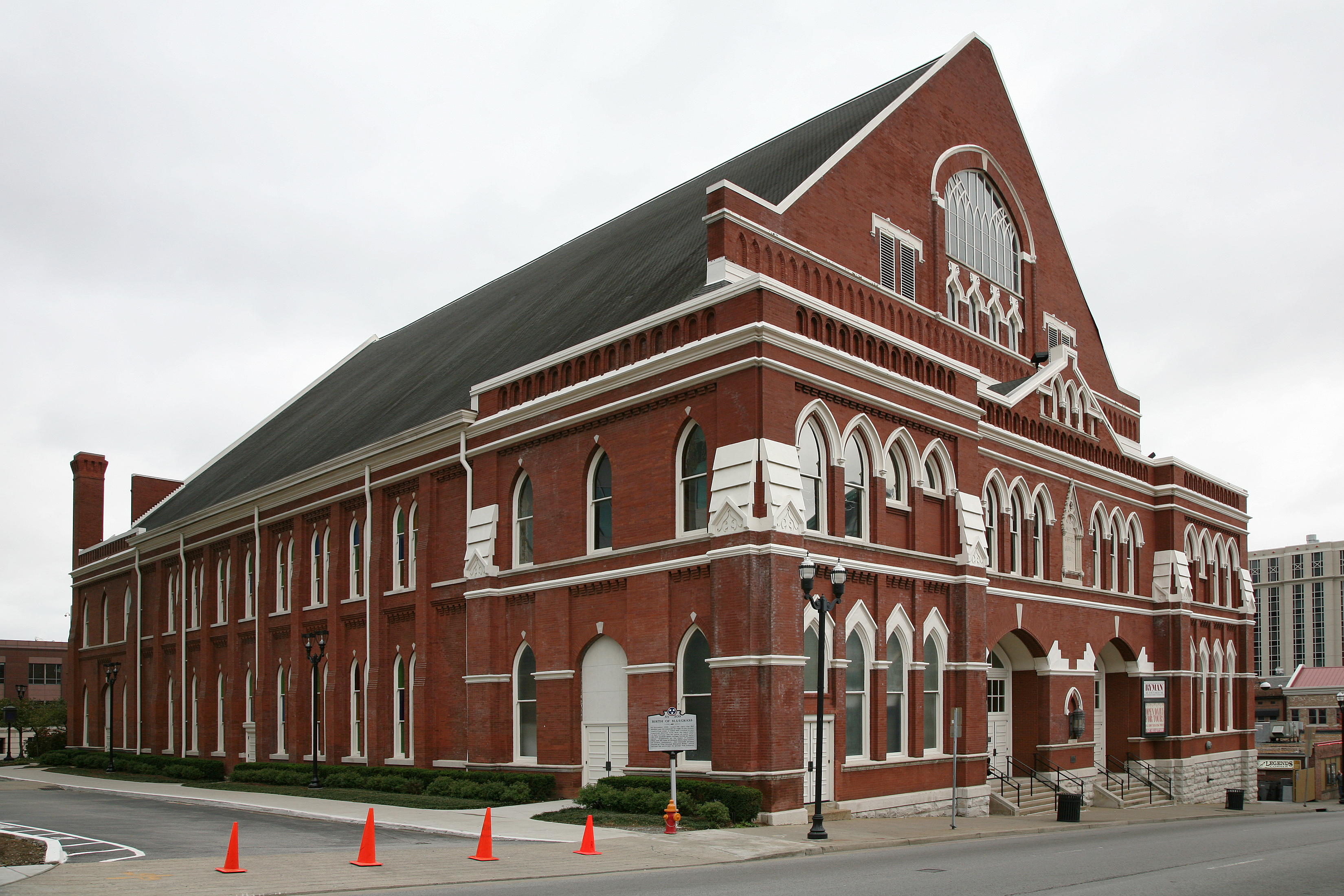
During closed rehearsals at Nashville's Ryman Auditorium, staff keep spotting a grayish figure alone in section 11 of the balcony. He keeps to the old Confederate Gallery, and even the venue's museum curator can only guess who is watching the stage.
A security guard on his nightly rounds crossed the stage of the Ryman Auditorium, glanced up into the balcony, and saw a man sitting alone in the dark. He climbed the stairs to move him along. The balcony was empty.
Staff at the Nashville hall call him the Gray Man, and he keeps to the same seats: section 11, high in the old balcony. He surfaces during artist rehearsals, when the room is shut to the public and the rows around him sit empty. A grayish figure, watching the stage, gone the moment anyone goes up to reach him. He seems to prefer the emptiest version of the room, those private hours when only the crew and the act on the boards are around to notice him.
The person who documents these sightings isn't a tour guide. Joshua Bronnenberg is the Ryman's own museum curator, and he's the one who links the figure to the seats it favors. "He claimed that he went in one morning to open the balcony and he saw what he thought was an older gentleman standing there," Bronnenberg said of one employee, "but then he mysteriously vanished."
Those seats carry a name. The balcony went up in 1897 for a United Confederate Veterans reunion, funded by the group's own members, raising the hall to 6,000 seats, and it kept the name Confederate Gallery until the plaque came down in 2017. That history is why people read the figure the way they do. "Since the gallery was constructed for this confederate veterans reunion," Bronnenberg said, "some people say that it's a gray-ish specter ... could it be a confederate veteran?"
The hall wasn't built for opera or country music. Thomas Ryman, a Nashville riverboat captain, put it up in 1892 as a tabernacle for the revivalist who had converted him, and it took his name after he died in 1904. His ghost, the story goes, still keeps opinions about what belongs on that stage. He gets blamed for stomping through shows he is said to disapprove of, loudest of all during a staging of the opera Carmen.
The staff are used to being watched from those seats. What unsettles them is when it runs the other way. Before his sold-out debut, the country singer Ian Munsick was running a soundcheck on the empty stage when he looked out and, the story goes, found the figure already up in the balcony: one man in the dark, there before the crowd. A performer on the biggest night of his career, looking out at a balcony of empty seats and the one that was taken.