The Myrtles Plantation in St. Francisville, Louisiana sells its evening tour on Chloe, an enslaved woman in a green turban who supposedly poisoned a birthday cake. The records hold no Chloe. Of ten murders the tour names, exactly one is real.
The evening tour at the Myrtles Plantation in St. Francisville, Louisiana centers on a woman named Chloe. The story goes that she was enslaved here, that she wore a green turban to hide an ear cut off as punishment, and that she baked oleander into a birthday cake and poisoned the Woodruff family. It is the most famous ghost story in Louisiana. Almost none of it survives a look at the records.
No enslaved woman named Chloe appears in any Woodruff ledger. Wikipedia puts it plainly: "historical documentation does not support the legend as there are no known records of the Woodruffs owning a slave named Chloe or Cloe." Sarah Woodruff and two of her children did die young, in 1823 and 1824, but of yellow fever, not poison. A third child, Mary Octavia, lived to adulthood. The green-turban story traces only to the 1950s, when an owner is said to have heard tales of "a ghost with a green bonnet," and a fuller narrative grew up around them from there.
The tour names ten murders in the house. Researchers working parish death records and old newspapers could corroborate exactly one.
On January 26, 1871, a lawyer named William Drew Winter, who had married into the family that then owned the place, was standing on the front gallery when a stranger rode up and called him outside on business. The man shot him and rode off. Winter was buried the next day at Grace Church in St. Francisville. The contemporary newspaper, the Pointe Coupee Democrat, ran the account. A man named E.S. Webber was said to face trial for it. The record simply stops there. No verdict was ever filed, and the killer was never named.
The legend moved Winter indoors and onto the stairs. Guests are told a ghost, believed to be him, staggers up the staircase and stops on the seventeenth step. He was shot on the porch, in plain daylight, in front of the house. There is another tale of a mirror that was never covered after the Woodruff deaths, the way mourning custom required, with handprints said to surface in the glass. The family in the mirror died of fever in their beds.
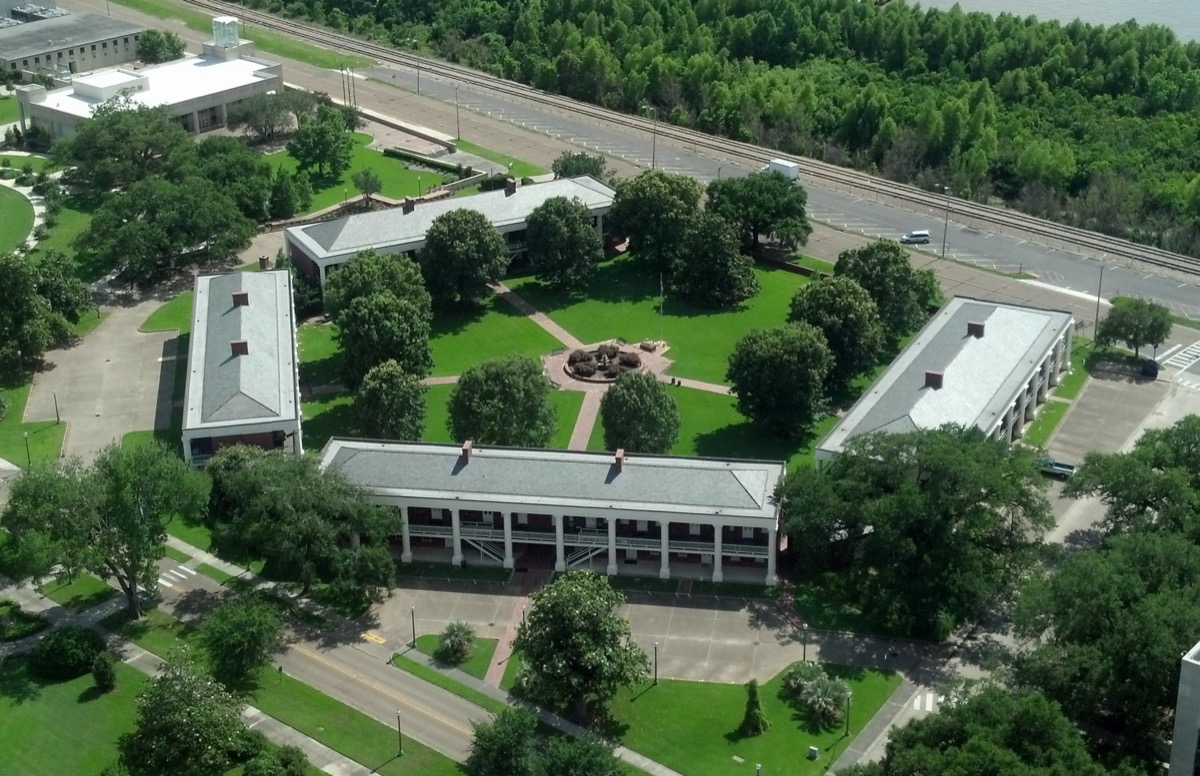
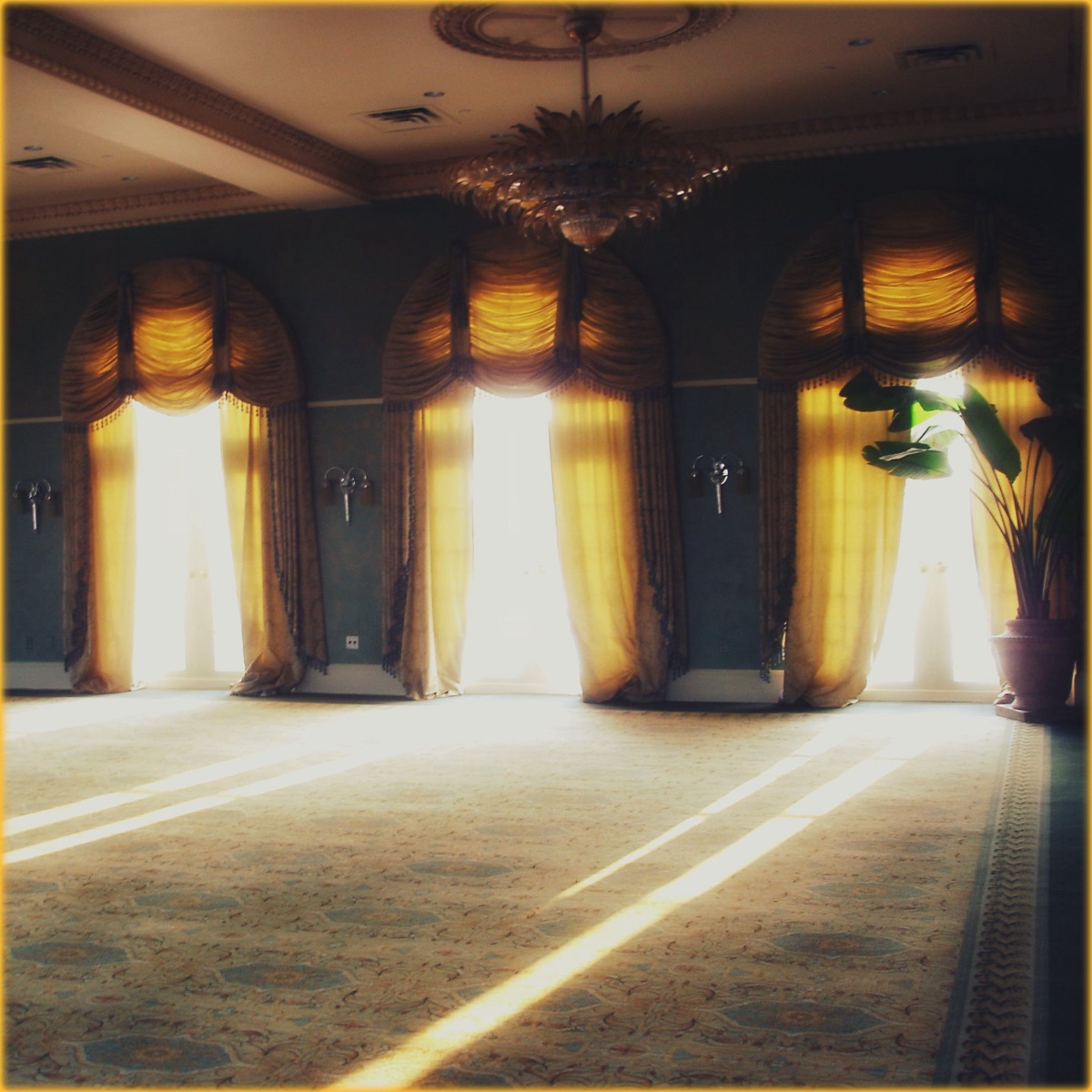
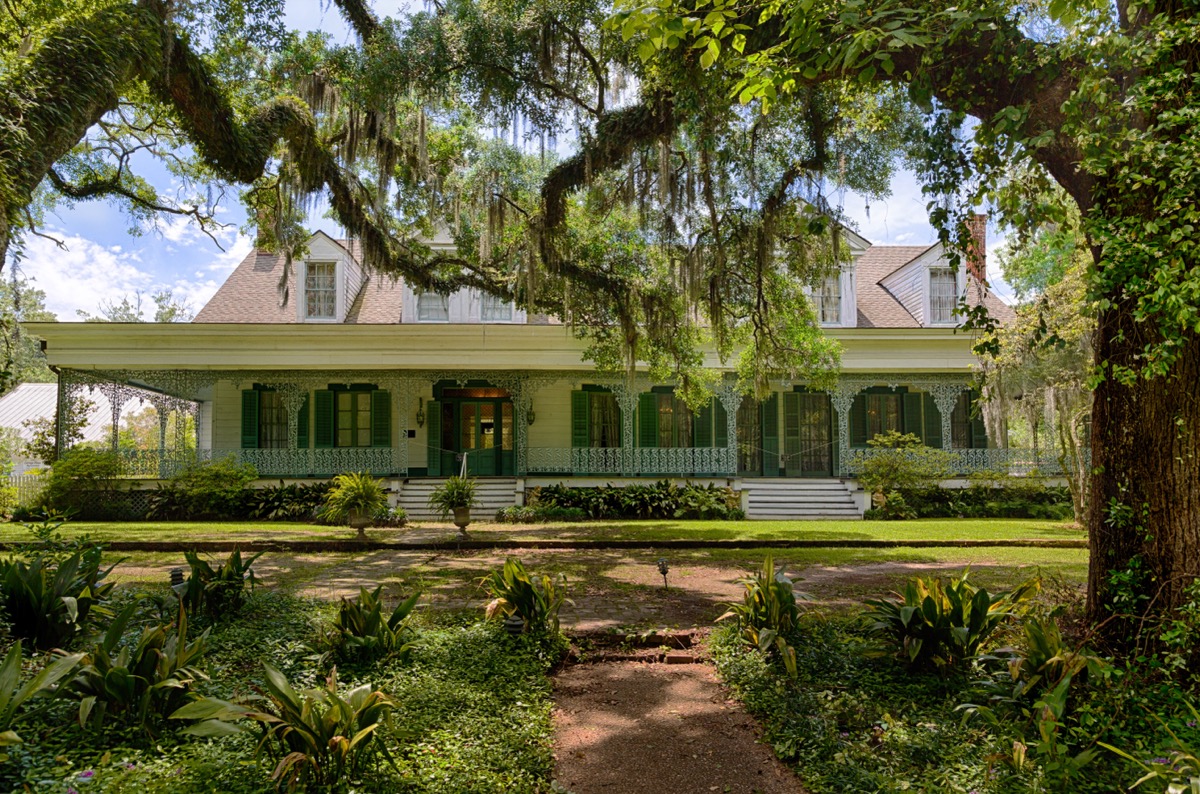
The house itself is real and very old, built in 1796 by David Bradford, a Whiskey Rebellion leader who fled south and was pardoned by John Adams. The front gallery runs about 107 feet under cast-iron grapevine ironwork, and no two of its plaster ceiling medallions are alike. It runs as a bed and breakfast now, with daytime history tours and evening ghost tours, and it was the subject of a 2024 Netflix series that gave its skeptics room to talk. The scholar Tiya Miles studied the Chloe story and argued this kind of ghost tourism distorts the real histories of enslaved Black women. A 1796 house steeped in genuine tragedy, and the woman the crowds come for is the one who left no trace at all.