TLDR
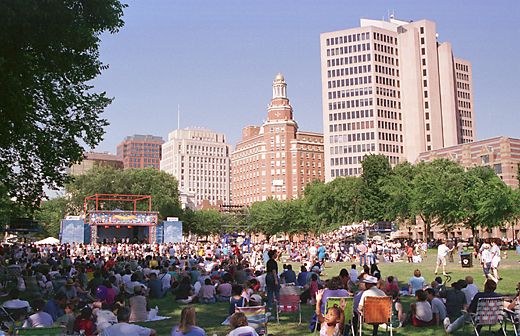
This 16-acre park has been the heart of New Haven since 1638. Underneath the grass, roughly 5,000 bodies from colonial-era burials remain, including victims of yellow fever.
The Full Story
Verified · 12 sourcesThe New Haven Green is one of America's most extraordinary haunted landscapes--a pristine 16-acre park where thousands of colonial dead remain buried just inches beneath the feet of unsuspecting visitors. When Hurricane Sandy toppled the Lincoln Oak on Halloween 2012, the storm revealed what locals had long whispered about: human bones tangled in the roots, including the remains of at least three children and one adult, their bodies interred so shallowly that only a thin layer of grass separated them from the modern world.
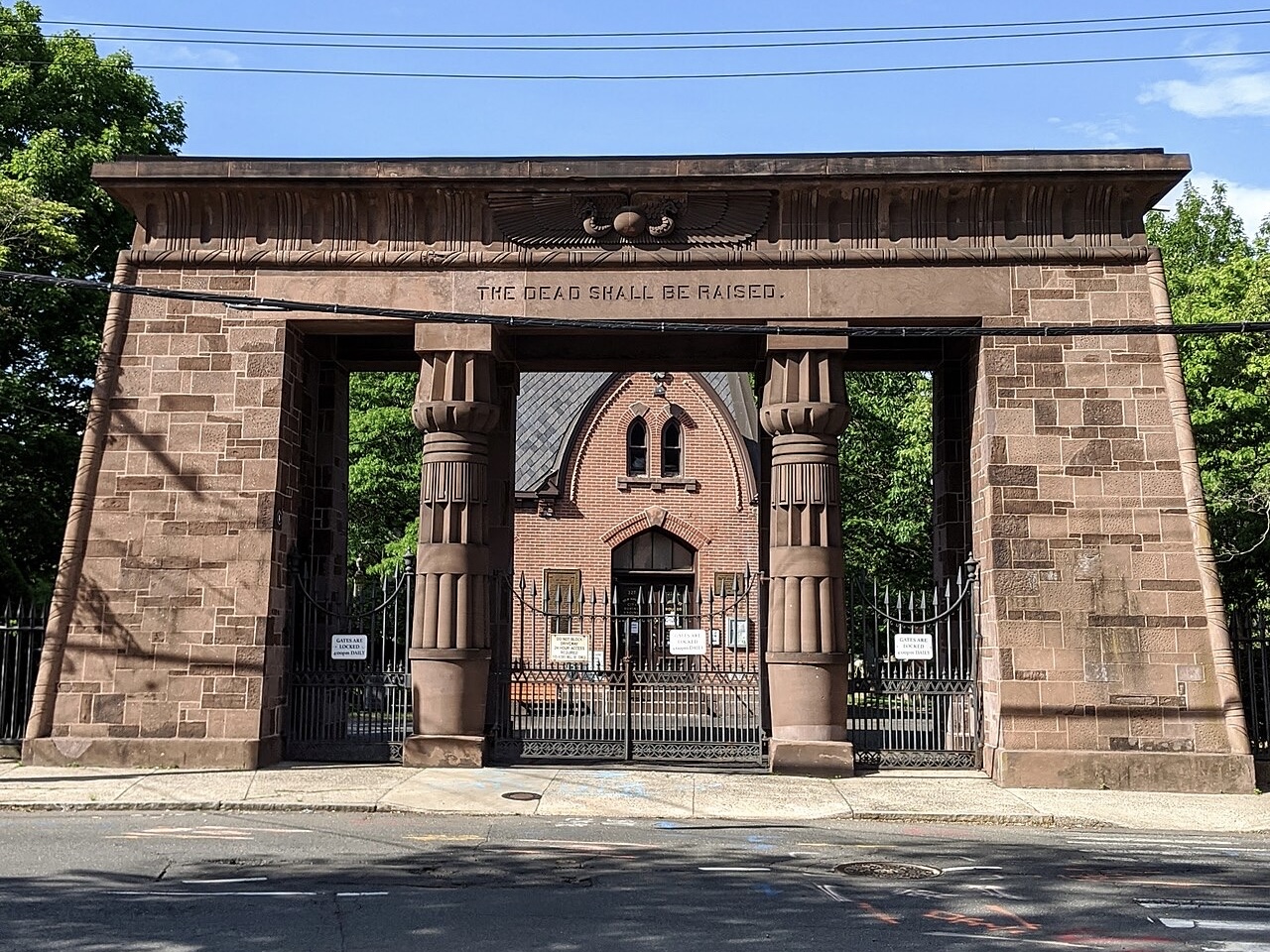
For 160 years, from the colony's founding in 1638 until the 1790s, New Haven buried all its dead on the Green. The yellow fever epidemics of 1794 and 1795 overwhelmed the burial ground so severely that corpses were stacked atop one another in unmarked graves. By the time Grove Street Cemetery opened in 1797, historians estimate between 5,000 and 10,000 souls had been interred beneath the Green. When officials later decided to relocate the cemetery, they moved only the headstones--the bodies stayed behind. A plaque at Grove Street Cemetery grimly confirms: none of the remains were transferred.
The most remarkable feature of the Green is what lies beneath Center Church. When the congregation built their fourth meeting house in 1812-1814, rather than disturb the burial ground, architects raised the church on pillars over the graves, creating an underground crypt that preserves 137 marked colonial graves dating to 1687--plus the likely remains of over 1,000 unidentified dead. This crypt is considered one of the only colonial burial grounds in New England to survive completely intact.
Among those interred in the crypt is Theophilus Eaton, co-founder of New Haven and the colony's first governor for 19 years until his death in 1657. Also buried here are the Reverend James Pierpont, instrumental in bringing Yale College to New Haven in 1701; Margaret Arnold, first wife of Benedict Arnold; and relatives of President Rutherford B. Hayes.
The reported activity on the Green is as varied as the dead who rest beneath it. Parishioners who doze during Center Church services claim they hear a voice asking "Have you been saved?"--and sometimes see a face they later recognize as Theophilus Eaton himself, the Puritan founder still tending to his congregation from beyond the grave. Visitors report ghost-like images that seem to disappear directly into the crypt beneath the church.
Perhaps the most tormented spirit is Benedict Arnold. Though the infamous traitor died in England and is buried there, ghost-spotters swear his conflicted soul haunts the Green where his first wife lies buried. The spectral Arnold appears uncertain which side to fight for--as torn in death as he was in life. When the shots at Lexington and Concord rang out, Arnold had been a successful New Haven merchant before becoming George Washington's best general, only to betray his country.
Visitors to the Green describe shadows and silhouettes of people walking the grounds who vanish the moment they're acknowledged, transforming into mist and wisps. Others report feeling suddenly weak and drained of all energy, as if the spirits are feeding off their life force. Voices with no visible source are the most common phenomenon--conversations carried on the wind from centuries past, snippets of colonial-era dialogue with nobody around to account for them.
Ghost tour operators who lead nightly walks across the Green have documented consistent experiences: photographs taken at certain locations later reveal orbs of light, and dowsing demonstrations have identified specific "energy vortexes" near markers for the colonial dead. One tour guide noted that the rods "pointed straight and then suddenly swung outwards" at a plaque beneath the Lincoln Oak--"And boom, they hit energy. That's where the vortex is."
The Lincoln Oak itself became part of the haunting. Hurricane Esther had partially toppled the same tree on September 27, 1961, also exposing human bones in its roots. When Sandy finished the job 51 years later, Yale anthropologists recovered remains that forensic analysis identified as likely victims of the scarlet fever and dysentery epidemics that struck children especially hard in the late 18th century. The tree had been planted in 1909 on the 100th anniversary of Lincoln's birth--its roots growing for a century through the bones of the colonial dead.
The New Haven Green remains Connecticut's most visited public space, with three historic churches standing sentinel over the mass grave beneath. Center Church still offers crypt tours on the second Sunday of each month. Those who descend into the basement walk among headstones dating back 340 years, in the presence of the founders of both New Haven and Yale University.
Visiting
New Haven Green is located at Temple Street, New Haven, Connecticut.
Researched from 12 verified sources including historical records, local archives, and paranormal research organizations. Learn about our research process.