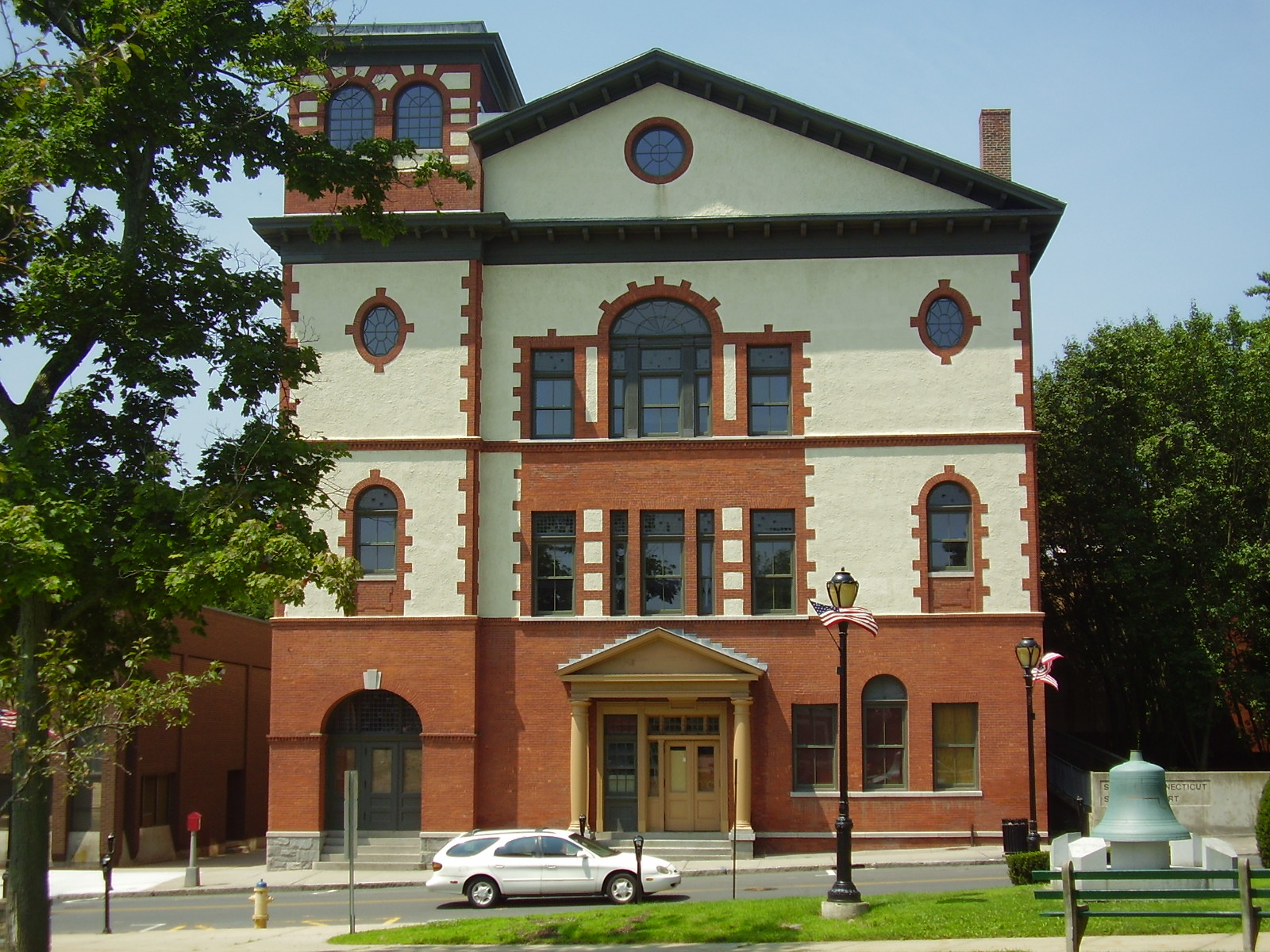
At the Sterling Opera House in Derby, Connecticut, investigators leave balls and toys for a child spirit they call Andy. Below the stage where Houdini is said to have performed sits a row of iron jail cells — and the doors still slam.
At the Sterling Opera House in Derby, Connecticut, the ghost most people talk about isn't a vaudeville actor or a top-hatted phantom in the balcony. It's a boy. Investigators call him Andy, and they leave things out for him — balls, toys, balls balanced on empty cardboard tubes so he can knock them off.
No one knows who Andy is. There is no record of a child dying in or around the building. The name and the story belong to the ghost-hunting groups who keep coming back, not to any document. They report child-sized handprints turning up in the dust, balls said to move on their own, shadows where no one is standing.
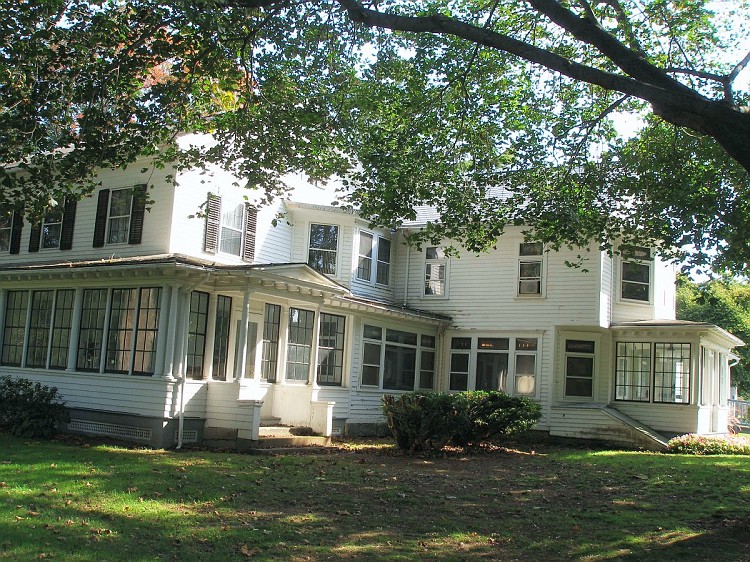
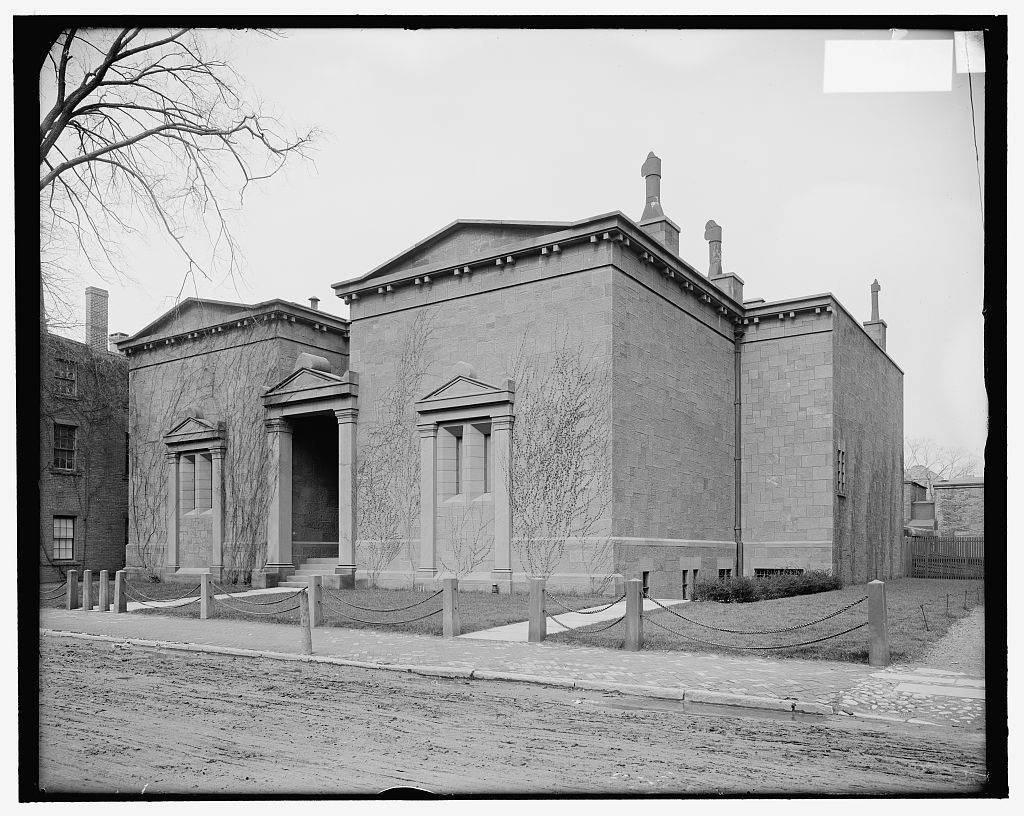
The building opened on April 2, 1889, named for Charles A. Sterling, who ran a Derby company that made organs and, later, pianos. The architect, H. Edwards Ficken, had a hand in Manhattan's Carnegie Hall. The auditorium seated about 1,200 under a proscenium arch, and the acoustics were said to rival the Metropolitan Opera House — "even a whisper on stage could be heard in the back of the room." Harry Houdini is among the names credited with performing there, though the playbill is hard to pin down.
The strange part is what sat underneath. From the year the curtain closed in 1945 until about 1965, the lower floors and the basement served as Derby's City Hall, police station, and lockup — a row of iron jail cells right below the stage. The sliding cell doors still slam and echo through the empty building.
In 2011, the TAPS team from SyFy's "Ghost Hunters" came through. They logged high EMF readings in a building with no power, and recorded what sounded like a child's voice up in the balcony while their K2 meter lit. Their conclusion, as one account put it: "there definitely might be some sort of paranormal activity occurring."
The theater is sealed now. The balcony seats remain beautiful. The cells are still down there, rusting.