Vanderbilt Hall

Vanderbilt Hall

🎓 university

New Haven, Connecticut · Est. 1894

About This Location

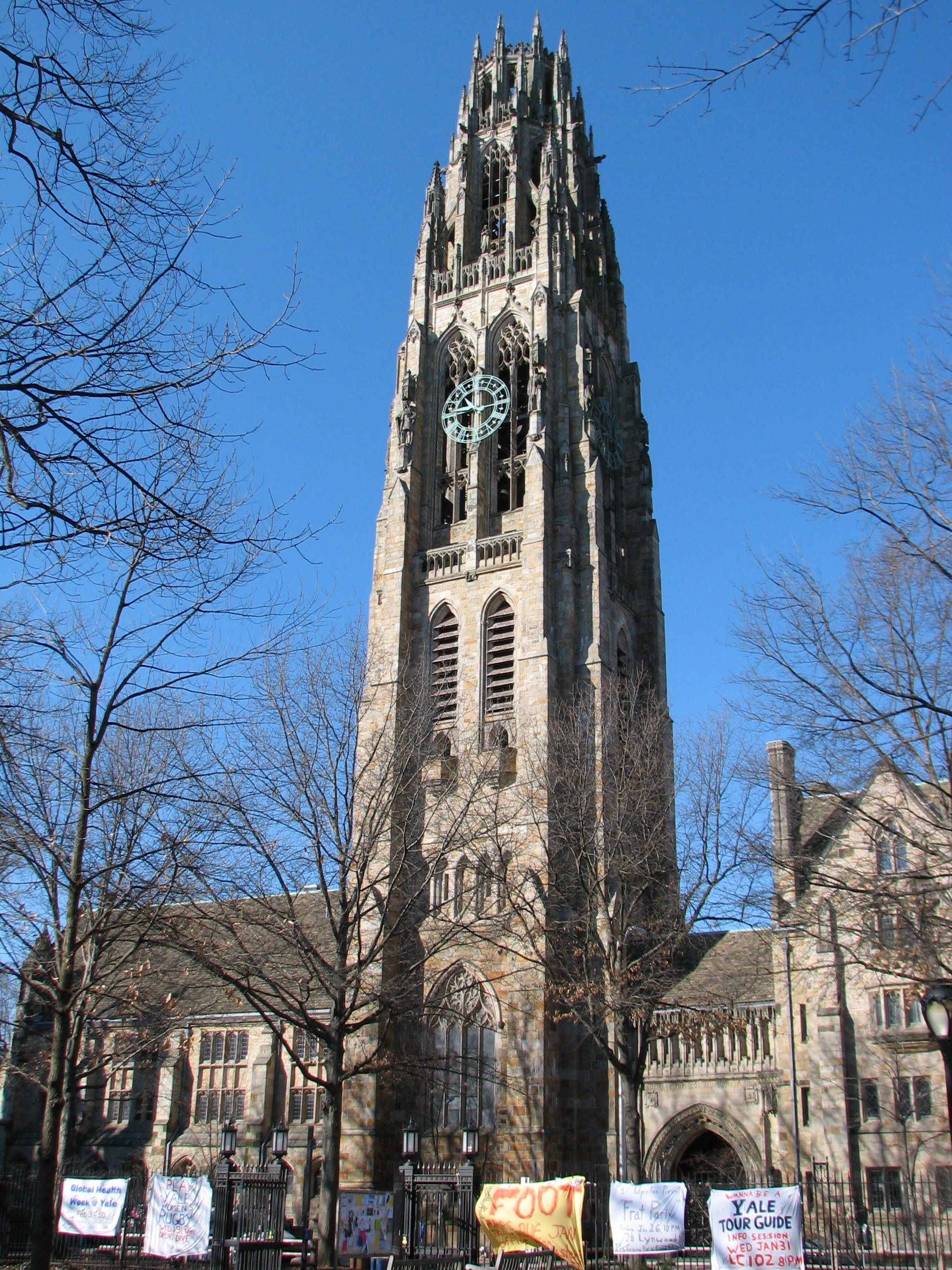
Named for William Henry Vanderbilt II, this Collegiate Gothic dormitory is part of Yale University's historic campus. Its gothic architecture provides a fitting backdrop for the paranormal activity students have reported for decades.

👻

The Ghost Story

Vanderbilt Hall rises from Yale's Old Campus like a Gothic fortress of the Gilded Age, its Tudor gatehouse facade hiding one of the most poignant ghost stories in American university history. Completed in 1894 at a cost of one million dollars—nearly thirty million today—it was the grief-stricken gift of railroad tycoon Cornelius Vanderbilt II to memorialize his eldest son William Henry Vanderbilt II, who died of typhoid fever in 1892 during his junior year at Yale. William had contracted the disease from a contaminated water pump while touring the American West, and the twenty-one-year-old's death devastated a family whose fortune then rivaled the wealth of entire nations.

The dormitory replaced South College from Yale's historic Brick Row, and architect Charles C. Haight spared no expense. The Springfield Republican called it "the costliest and most magnificent college dormitory in America." Inside, marble and iron staircases with artistic railings led past white enameled brick walls and mosaic tiled floors. Gray marble lined the bathrooms with their porcelain tubs. Oak-paneled rooms featured large fireplaces and window seats, and trunk elevators ran through all floors—an unheard-of luxury for college housing.

In its early years, Vanderbilt Hall housed William's grieving brothers: Cornelius "Neily" Vanderbilt III and Alfred Gwynne Vanderbilt, who would later perish heroically aboard the Lusitania in 1915, giving his own lifejacket to a young mother because he could not swim. Cole Porter, Yale Class of 1913, lived in Suite 31 during his senior year while composing songs that would define American musical theater. When Yale became coeducational in 1969, Vanderbilt Hall housed the university's first class of freshman women.

But it is the mysterious Vanderbilt Suite—VC-22—that draws ghost tour guides to the building's grand archway. Located above the gate that connects Chapel Street to Old Campus, the suite features a chandelier suspended from molded ceilings, a red marble fireplace with fleur-de-lis patterns, mahogany paneled walls, and parquet flooring of three different stained woods. Legend holds that a door on the first floor remains perpetually sealed, opened only when a descendant of the Vanderbilt family is admitted to Yale. When CNN anchor Anderson Cooper enrolled in 1985, he reportedly declined the suite to experience Yale as a "normal" student, moving into Trumbull Hall instead.

Students speak of phantom events: sudden temperature drops that plunge rooms into freezing cold even during summer months, with no logical explanation. Throughout the years, residents have reported seeing a large man strolling the roof of Vanderbilt Hall. Tour guides on the New Haven Ghost Walk suspect it is Cornelius Vanderbilt himself—the Commodore—haunting the residence hall, making sure the students in his namesake dormitory do nothing less than honor his name in their academic performance.

The haunting takes a more intimate turn for Vanderbilt descendants. Some claim that Cornelius appears in their dreams to share wisdom about business or life. Others report nightmares in which he chides them for not performing well academically—the disappointed patriarch checking on his investment from beyond the grave. According to Ghosts of New Haven, Cornelius, who also famously haunts Grand Central Terminal in Manhattan, "hops Metro North" to visit any descendant who occupies the dormitory, making his presence known through those inexplicable temperature drops.

The Gothic architecture seems to amplify the eerie atmosphere. Universities are gold mines for unexplained activity—centuries of young lives, intense emotions, and occasional tragedy layered upon each other like sediment. Yale, founded in 1701, is the third oldest university in America, and Vanderbilt Hall stands as a monument to both Gilded Age excess and a father's impossible grief. Perhaps Cornelius II never stopped mourning his firstborn son, never stopped walking the halls of the building he created in William's memory, never stopped ensuring that future generations of Yale students understand the weight of the Vanderbilt name carved above the archway.

Researched from 10 verified sources including historical records, local archives, and paranormal research organizations. Learn about our research process.

More Haunted Places in New Haven

Grove Street Cemetery

Grove Street Cemetery

cemetery

New Haven Green

New Haven Green

cemetery

Evergreen Cemetery

Evergreen Cemetery

cemetery

Skull and Bones Tomb

Skull and Bones Tomb

university

Fort Nathan Hale

Fort Nathan Hale

battlefield

More Haunted Places in Connecticut

👻

Devil's Hopyard State Park

East Haddam

🪦

Gunntown Cemetery

Naugatuck

🏛️

Mark Twain House

Hartford

🏨

The Lighthouse Inn

New London

🍽️

Captain Daniel Packer Inne

Mystic

🍽️

Harrie's Jailhouse

Middletown

View all haunted places in Connecticut

More Haunted Universitys Across America

Centenary University

Hackettstown, New Jersey

Earlham College

Richmond, Indiana

Caraway Hall - Arkansas Tech

Russellville, Arkansas

St. Anselm College

Goffstown, New Hampshire