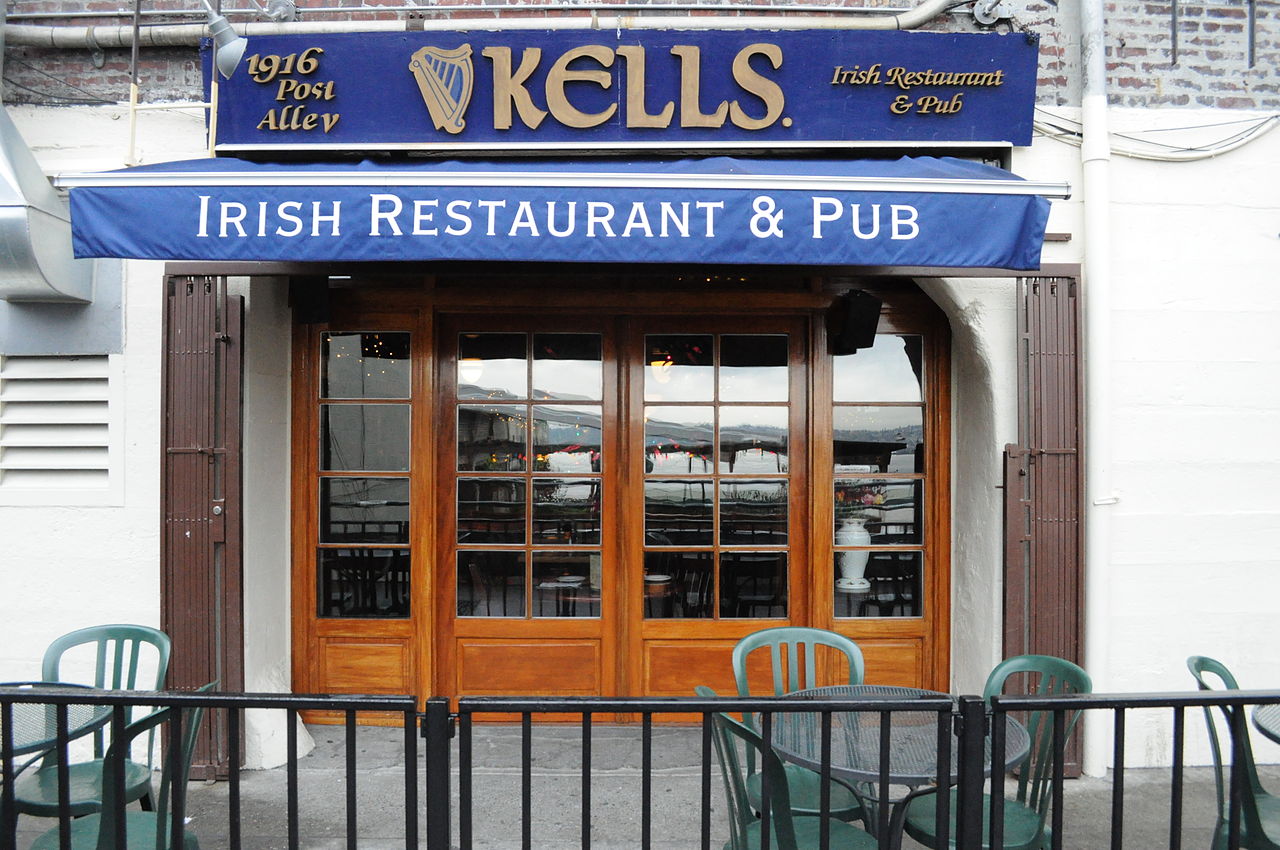
Drinkers at Kells Irish Pub in Seattle keep catching a tall man in a derby hat in the Guinness mirror behind the bar. Staff call him Charlie and figure he worked here when the building was the city's first mortuary.
At Kells Irish Restaurant & Pub in Seattle, people keep catching the same man in the big Guinness mirror behind the bar. Tall, thin, older, dark suit, derby hat. Turn around and the room is just the room. Staff call him Charlie and take him for a former employee of the business that built the place, because Kells pours pints in the basement of the Butterworth Building, which opened in 1903 as Seattle's first purpose-built mortuary.
Charlie turns up most when there's live Irish music. Between the sightings in the mirror, staff say he wanders the floor and straightens the chairs.
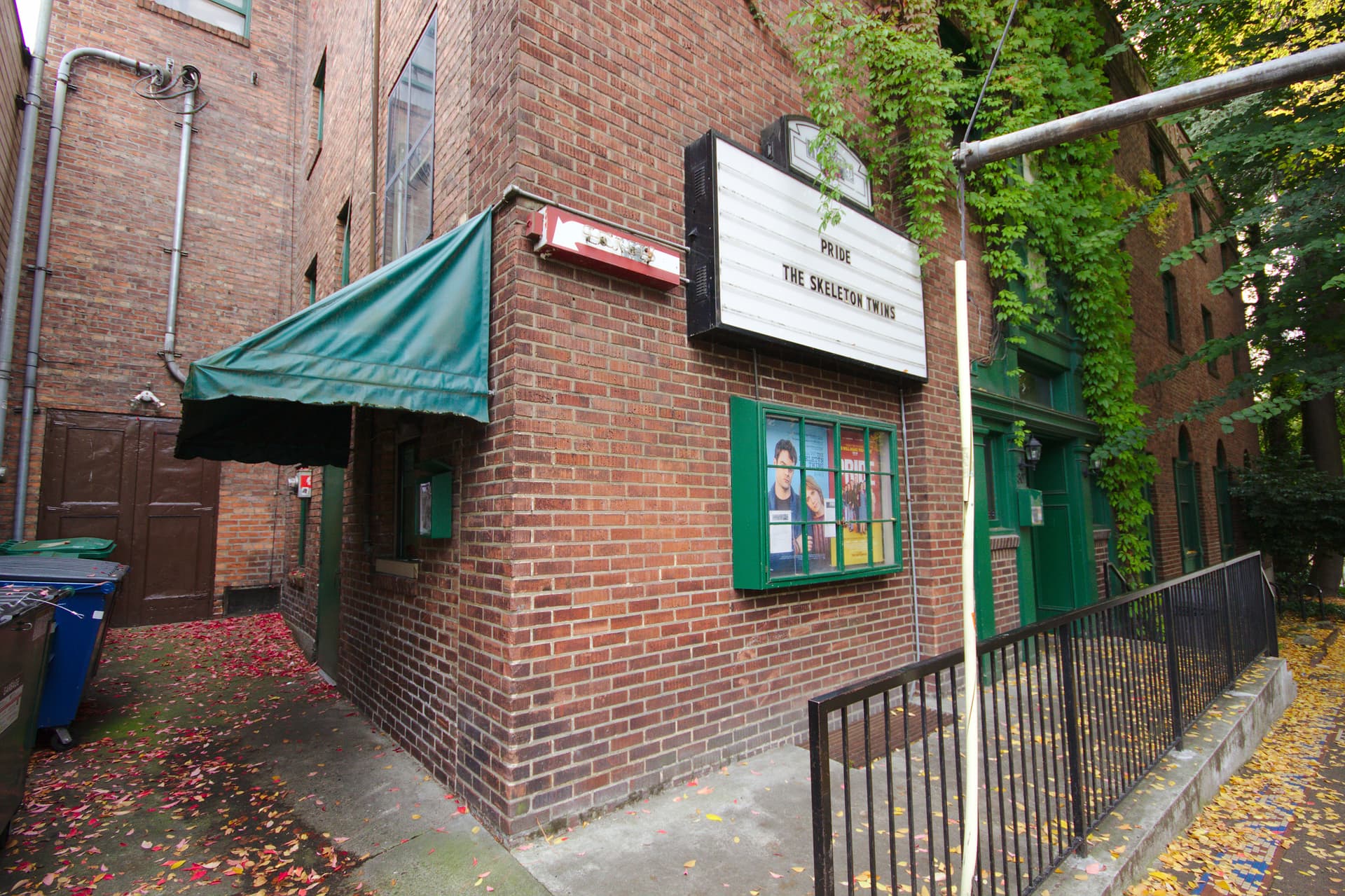
The pub does not hide any of this. Kells' own site describes its home as "the Butterworth Building, Seattle's first mortuary." The door guests come through off Post Alley, behind Pike Place Market, was the building's body entrance. The floor of fireproof vaults where the firm could store bodies indefinitely is the private event space now.
The family that runs the pub has its own accounts. On All Saints' Day around 2006, Karen McAleese watched a tall man in a suit jacket walk out of the Kells kitchen and cross the room. "He had very thin hands," she said. "He walked to the end of the bar and just kind of faded." Years earlier, when Patrick McAleese was a teenager and his parents ran the place, a mirror in the closed back bar came off the wall and shattered into a neat little pile beside a single candle that nobody could explain, still burning. "You think someone must be pulling your leg," he said. "But then you don't see anyone."
Daytimes belong to a red-haired girl. She finds the children who come in with their parents, takes their toys, and shifts glasses and silverware around the tables. The story staff tell is that she died in the 1918 flu, and Butterworth & Sons did handle a great many of that pandemic's dead. No record names her, dates her death, or ties any child to this building.
Patrick McAleese says his bar occupies the mortuary's old embalming room and crematorium. The documents disagree. An August 1904 walkthrough of the new building put the embalming room upstairs on the First Avenue side and gave the alley level to the heating plant, the stables and the funeral wagons, and the 1971 National Register nomination allows only that "stables and hay storage were on the alley level." Neither one uses the word crematorium.
Butterworth cremated, though. The firm burned the body of one of Linda Hazzard's patients, the starvation doctor who fasted her clients to death, then presented a different and less emaciated body at the funeral. Hazzard was convicted of manslaughter and went to prison. Nobody at the mortuary was charged with anything.