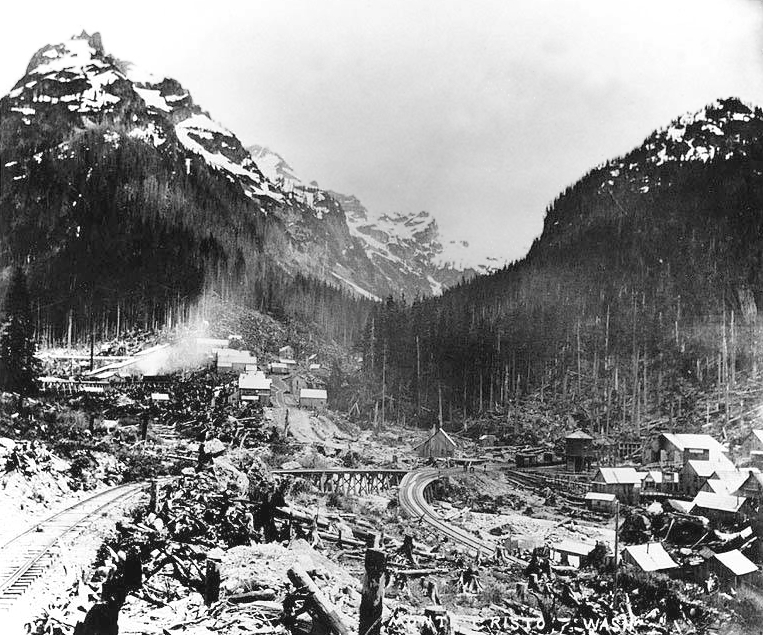
Monte Cristo, an abandoned gold and silver camp in the Washington Cascades, sits four miles up a road nobody has driven since 1980. People walk back out describing miners in early-1900s gear, lamps moving through the trees, and the clang of picks.
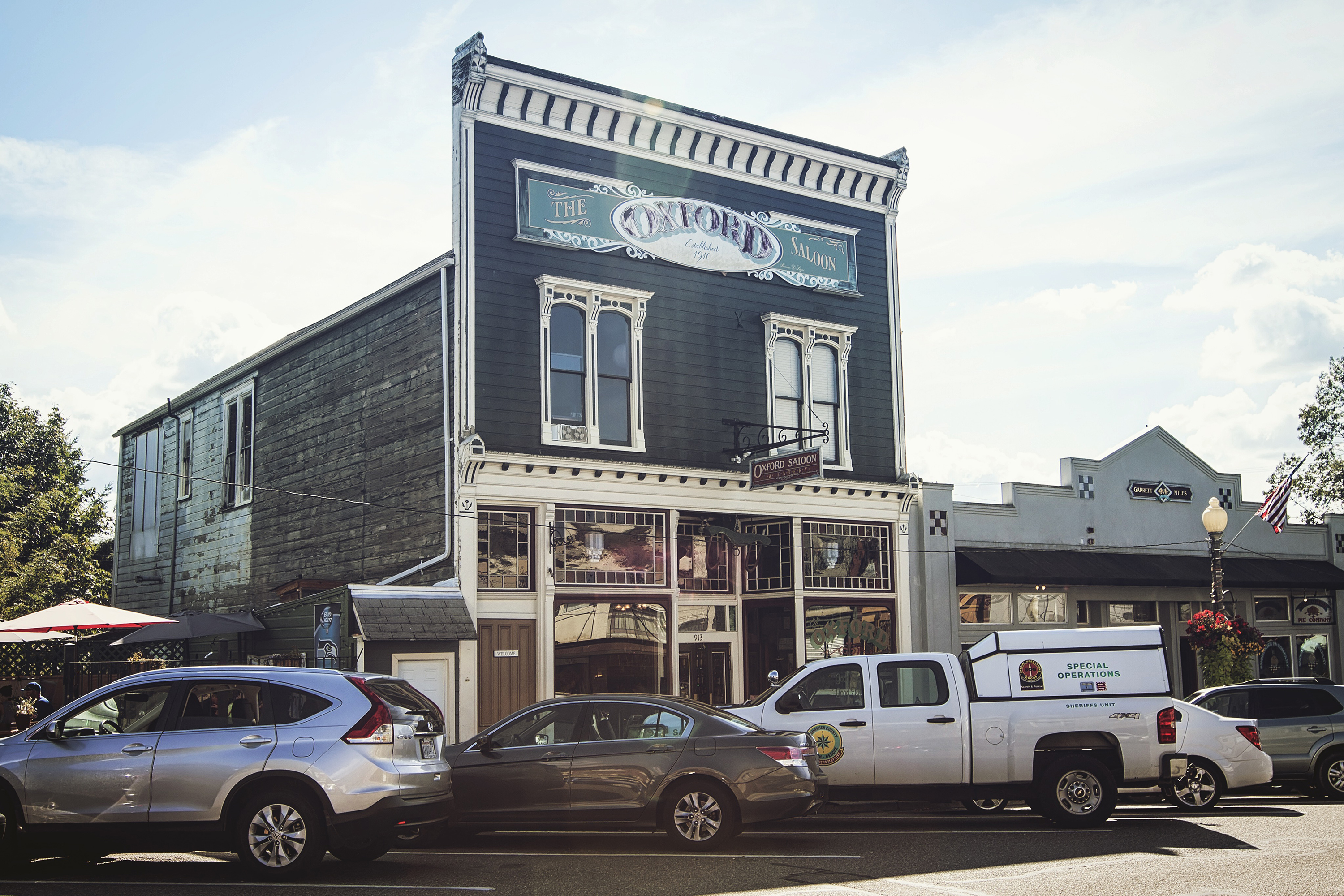
Monte Cristo is an abandoned gold and silver camp in the Cascades of eastern Snohomish County, Washington, and the account that keeps getting retold about it has two men in it. They are dressed in early-1900s mining gear. They lean around the corner of the old saloon, and by the time anyone looks straight at them, they are gone.
Others turn up walking the townsite in period hardhats, carrying lamps. Visitors describe eyes watching from the forest and bright lights flickering near the old ore works, and the thing reported most often is the sound of work: picks, shovels, rock being moved. A backpacker camped near the townsite in July 2021 wrote about hearing "the distinct sound of three or four men's echoing voices and clanging equipment and rocks" one evening. The mines are roughly four miles further up the trail.
The men who did that work have been gone a long time. A prospector named Joseph Pearsall climbed Hubbart Peak to a vantage point 5,500 feet up and saw a ledge running from the valley floor to the mountaintop, shining brick-red in the afternoon sun. On July 4, 1889 he filed the first claim staked in the district. His partner Frank Peabody had the samples assayed in Seattle and came back saying there was enough gold in that mountain "to make the Count of Monte Cristo look like a pauper." They named the camp after the Dumas novel deliberately, to pull investors up the valley.
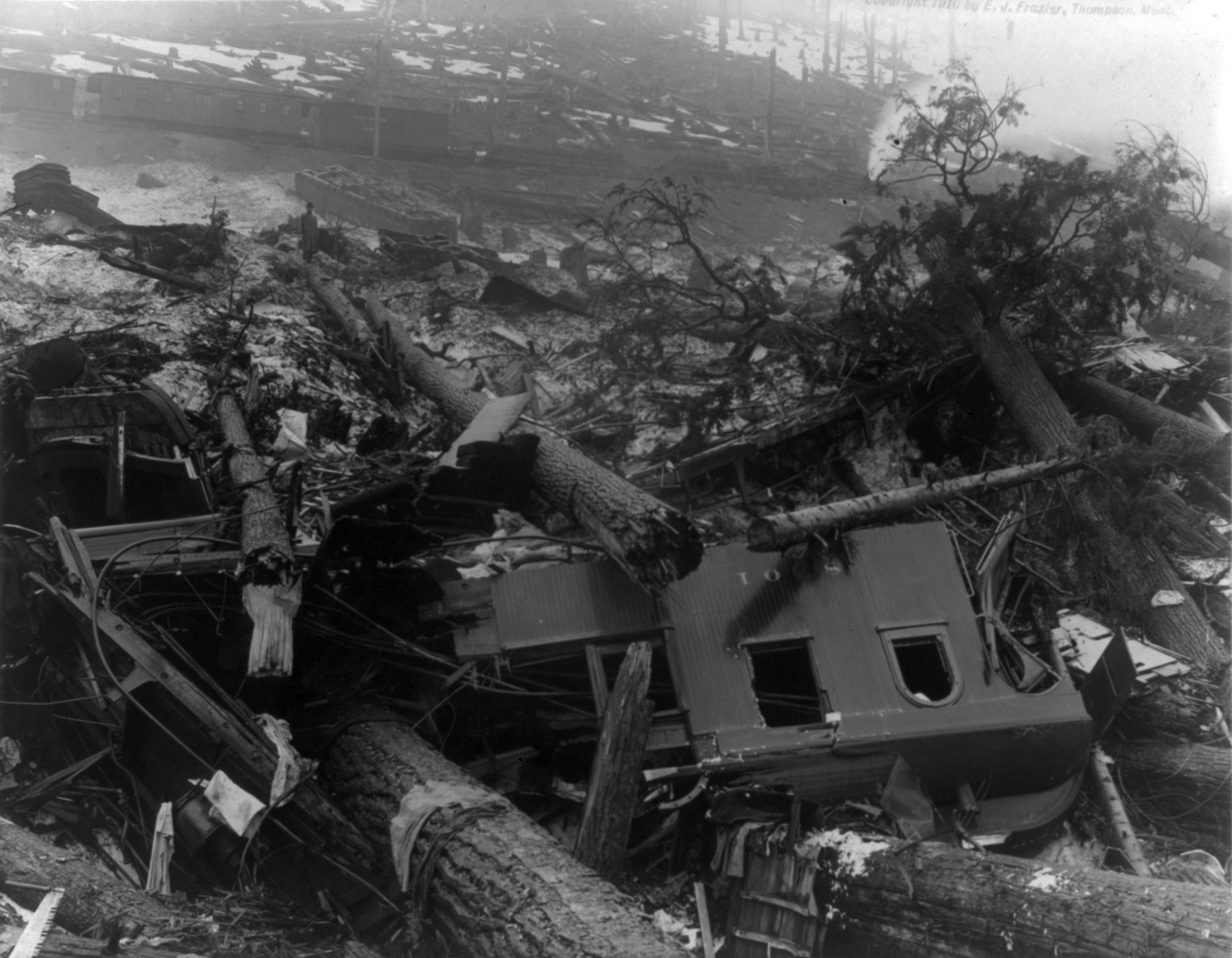
The railroad arrived in 1893 to haul lead and silver ore down to the Everett smelter. Winter came off the peaks as avalanches. HistoryLink's history of the town says the slides tore out tramway towers and "occasionally men caught in their paths." How many, or who they were, is not written down anywhere.
Warm rains in November 1897 ripped the railroad out through Robe Canyon, and that is what emptied the place. Most residents left on foot down the damaged tracks, carrying what they could. Mining limped along in pieces after that until Christmas 1920, when an avalanche came down Toad Mountain and shattered the entrance and equipment of the last working mine. The final four miners put on packs and snowshoes and walked out.
Del and Rosemary Wilkie bought the property in 1951 and sold it as a ghost town, with cabins in the old railroad yards, a lunch counter, and an attraction called Slippery Sam, a dummy laid out in a board coffin, while the surviving relics went off for scrap and antiques. HistoryLink records that the lodge, the last business in town, burned on March 19, 1983, called in by a driver who was never identified, for a cause never determined.
They laid a dummy in a coffin and called it a ghost. What people keep coming back with is men in hardhats, going to work.