Whitman Mission

Whitman Mission

👻 other

Walla Walla, Washington ยท Est. 1836

About This Location

The site of the 1836 Protestant mission where Marcus and Narcissa Whitman were killed along with eleven others in the 1847 Whitman Massacre, triggering the Cayuse War.

👻

The Ghost Story

In the autumn of 1836, Marcus and Narcissa Whitman arrived at a windswept stretch of land where the Walla Walla River meets Mill Creek, a place the Cayuse people called Waiilatpu -- the Place of the Rye Grass. Narcissa and fellow missionary Eliza Spalding had just become the first white women to cross the Rocky Mountains, covering more than 3,000 miles in 207 days and proving the Oregon Trail passable for families. Marcus, a physician from New York, established a Protestant mission on Cayuse land to bring Christianity and Western medicine to the Columbia Plateau tribes. The mission grew into a way station for exhausted Oregon Trail emigrants -- about 1,500 arrived in 1844, and twice that number the following year -- straining relations with the Cayuse, who watched settlers deplete their grasses, firewood, and game.

The Whitmans' only child, Alice Clarissa, drowned in the Walla Walla River on June 23, 1839, at the age of two. She had gone down to the bank to fill her cup with water and fell in. The loss devastated Narcissa, who became deeply introverted, spending weeks in her room writing letters to family in New York. The couple later adopted the seven Sager orphans, children of Henry and Naomi Sager who had both died on the Oregon Trail in 1844.

In November 1847, a measles epidemic carried west by emigrant wagons swept through Cayuse villages. Within weeks, roughly half the tribe died, including most of their children. The Cayuse observed that white settlers under Marcus's care recovered while their own people perished. A man named Joe Lewis, a mixed-race Iroquois and white drifter bitter from discriminatory treatment, inflamed suspicions by telling the Cayuse that Whitman was deliberately poisoning them. On November 29, 1847, a group of Cayuse warriors led by Tiloukaikt and Tomahas entered the mission kitchen after one in the afternoon demanding medicine. When Marcus turned toward a cupboard, Tomahas drove a tomahawk into the back of his skull. By sunset, nine people lay dead. The killing continued over several days, claiming thirteen lives in total: Marcus and Narcissa Whitman, Andrew Rodgers Jr., James Young Jr., Lucien Saunders, Nathan Kimball, Crocket Bewley, Isaac Gilliland, John and Francis Sager (two of the adopted orphans), Jacob Hoffman, Amos Sales, and Walter Marsh. Approximately fifty survivors, mostly women and children, were held hostage for a month before Peter Skene Ogden of the Hudson's Bay Company ransomed them on December 29.

The dead were placed in a shallow mass grave that wolves repeatedly disturbed through the winter -- one account records that Narcissa's remains were dragged out and partially consumed before being reburied. The Oregon Volunteers militia permanently interred the remains in 1848 at the site now preserved as the Great Grave. In 1897, on the fiftieth anniversary of the attack, a marble memorial slab engraved with the victims' names was placed over the grave, and a 27-foot granite obelisk was erected atop the adjacent hill at 720 feet above sea level. The names on the marble are fading now, but visitors still climb the windswept hill to stand beside the monument and look out over the mission grounds.

The massacre triggered the Cayuse War and prompted Congress to establish the Oregon Territory in August 1848. Five Cayuse men -- Tiloukaikt, Tomahas, Klokomas, Iaiachalakis, and Kiamasumpkin -- surrendered in 1850 and were tried in Oregon City. Their defense argued that under Cayuse law, a healer who fails may be executed. After 75 minutes of deliberation, the jury convicted all five. U.S. Marshal Joe Meek hanged them on June 3, 1850, before a large crowd. They were buried in unmarked graves.

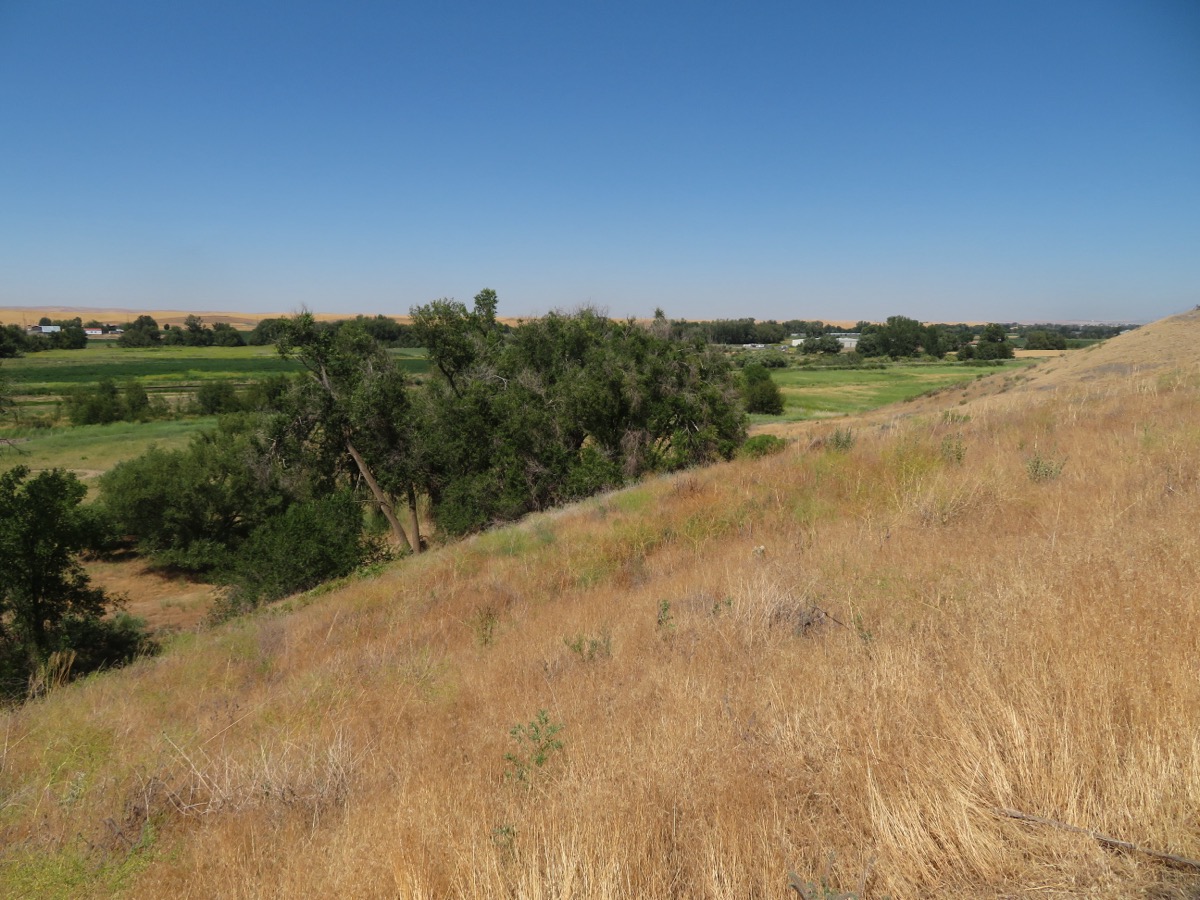
Today the 98-acre National Historic Site preserves the mission grounds with paved trails past the Great Grave, the obelisk, original Oregon Trail wagon ruts worn into rock, and the millpond site. Paranormal investigators from Boise City Ghost Hunters have documented activity across the grounds, including full-spectrum apparitions appearing with visible injuries, and a spring 2007 account describes a Native American man in a traditional blanket who smiled before gradually dissolving rather than vanishing. Visitors and park staff report disembodied sounds of horse hooves galloping followed by children laughing, then playing, and finally screaming. Staff members have reported being physically touched by unseen hands and experiencing sudden waves of profound sadness and despair. Investigation teams have recorded elevated EMF levels across the site and captured EVP whispers saying "we're here" and "get out." At nearby Whitman College, the ghost of Narcissa haunts Prentiss Hall, her namesake dormitory. Running water -- showers, laundry room faucets -- is said to summon her, a connection students attribute to the drowning of Alice Clarissa. Residents report showers shutting off without warning, whispered voices, rattling blinds, and belongings that move on their own.

Researched from 12 verified sources including historical records, local archives, and paranormal research organizations. Learn about our research process.

More Haunted Places in Walla Walla

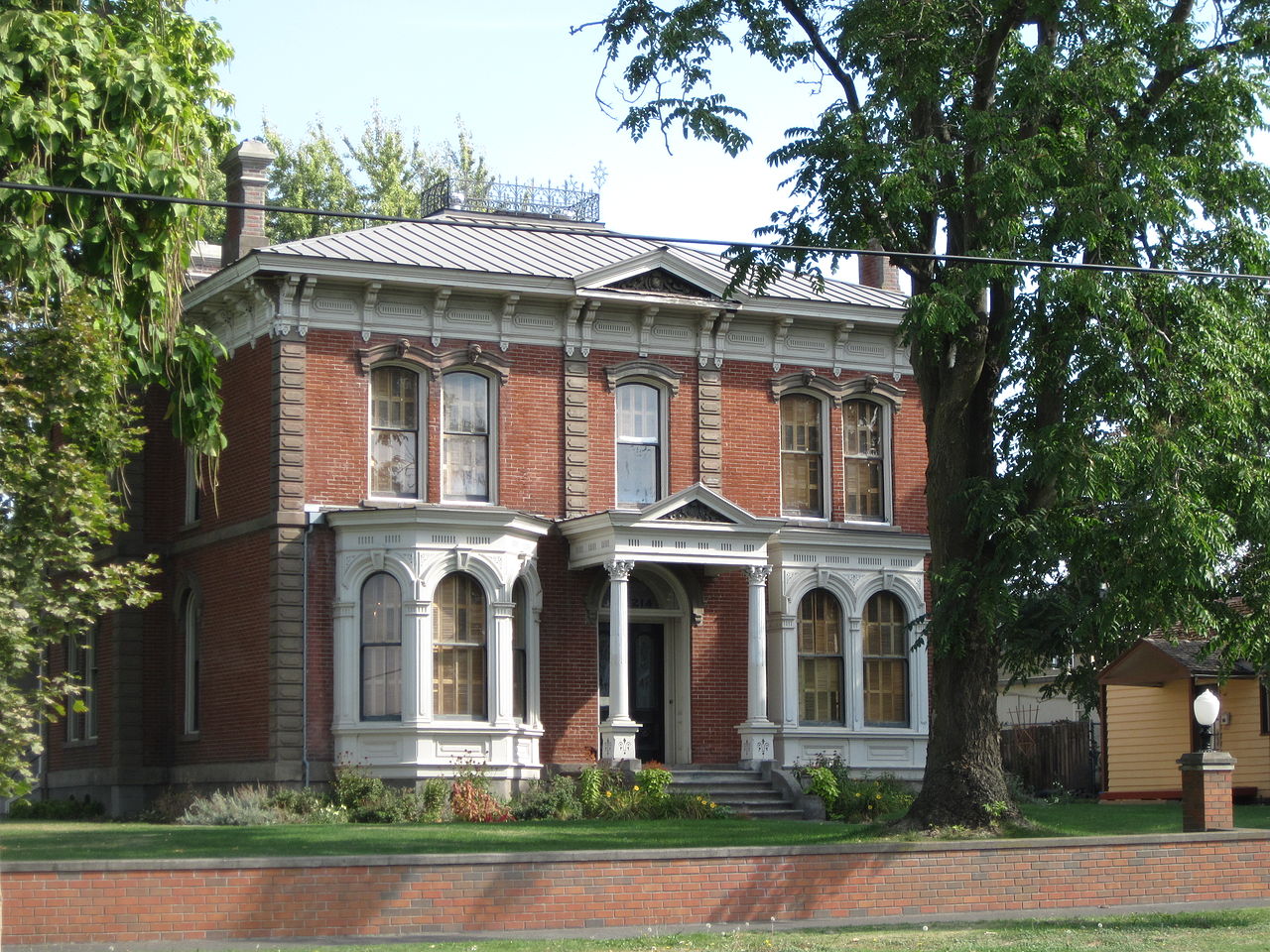
Kirkman House Museum

Kirkman House Museum

museum

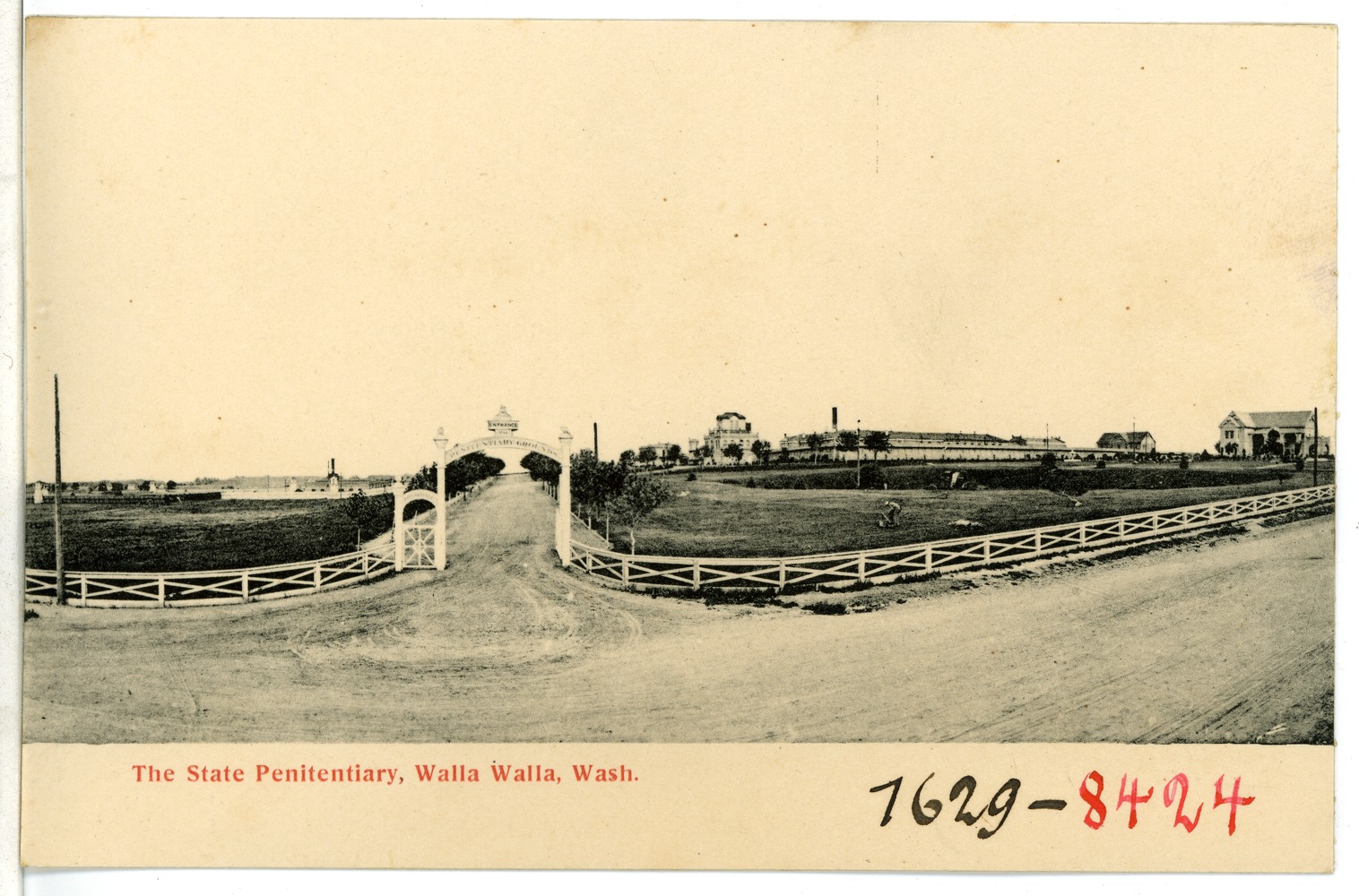
Washington State Penitentiary

Washington State Penitentiary

prison

More Haunted Places in Washington

🪦

Comet Lodge Cemetery

Seattle

🏚️

Georgetown Castle

Seattle

🎭

Concrete Theatre

Concrete

🏚️

Meeker Mansion

Puyallup

🎭

Capitol Theater

Olympia

🍽️

Merchant's Cafe & Saloon

Seattle

View all haunted places in Washington

More Haunted Others Across America

St. George's Episcopal Church

Fredericksburg, Virginia

Virginia State Capitol

Richmond, Virginia

Natural Bridge

Natural Bridge, Virginia

H.H. Holmes Murder Castle Site

Chicago, Illinois