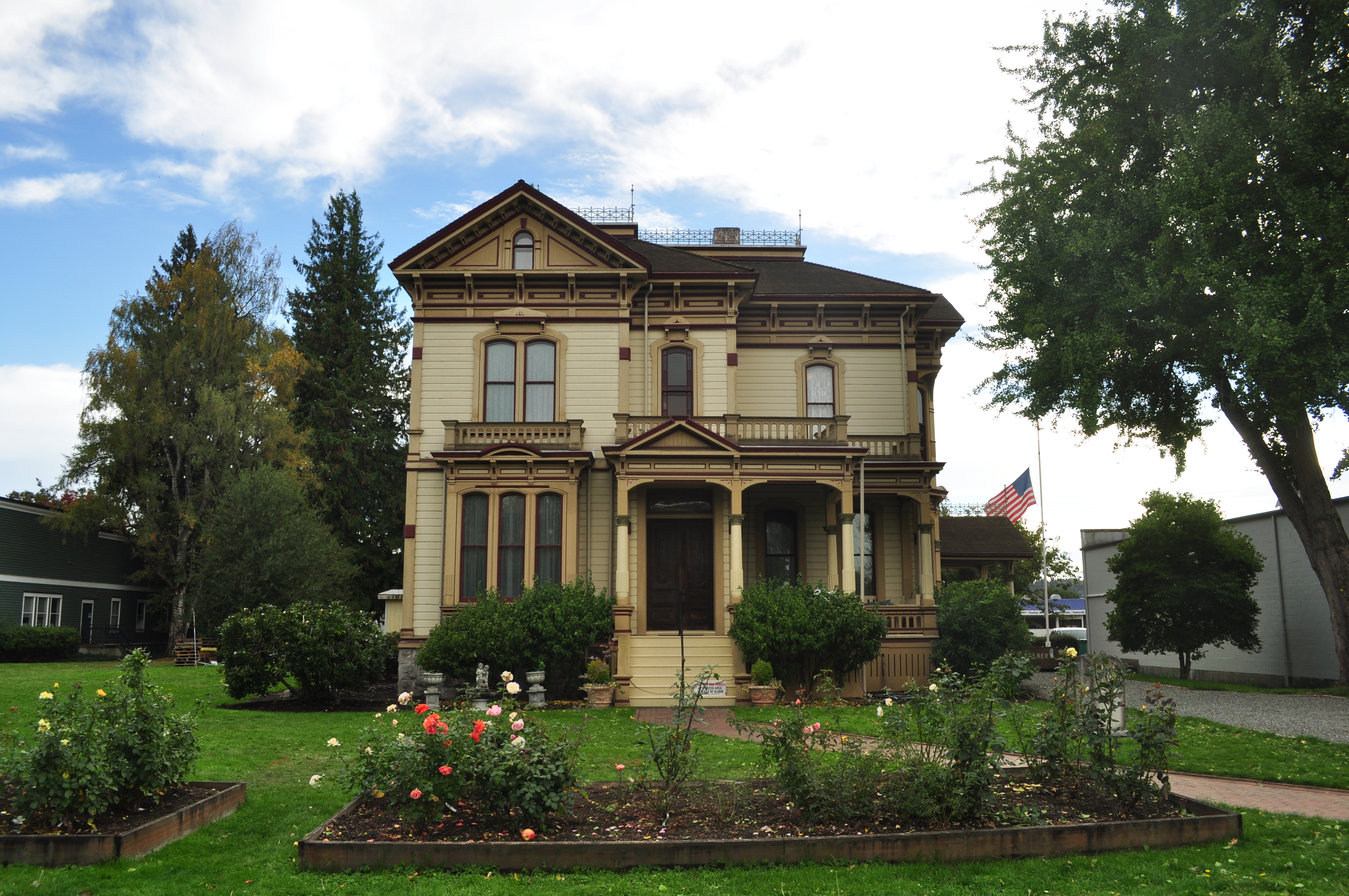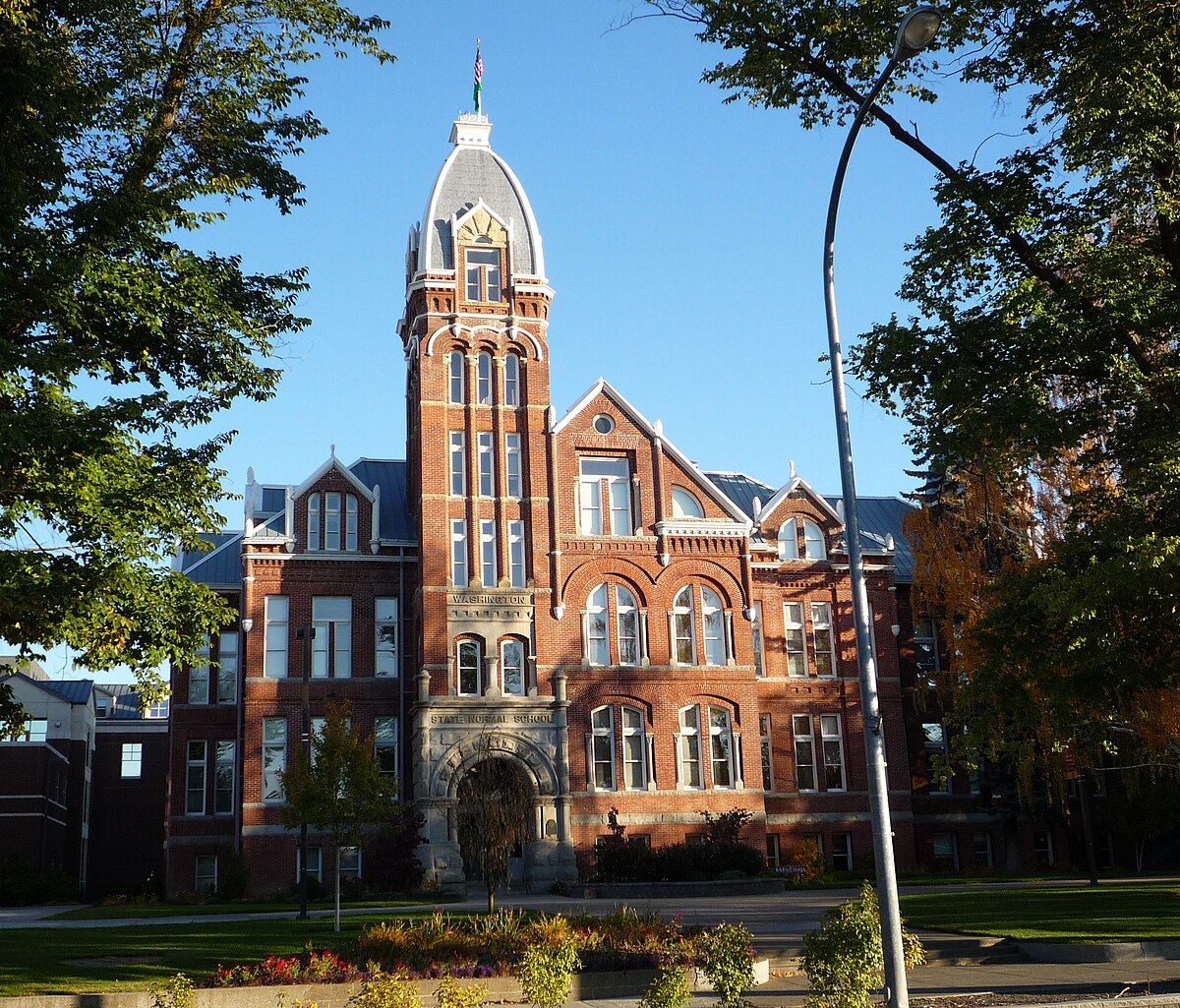
Kamola Hall, the oldest dorm at Central Washington University, has a ghost named Lola. An alumnus told the student paper she was made up in 1982 to sell a haunted house. The residents kept reporting her anyway, and so did the photographer whose film came back black.
Kamola Hall is the oldest residence hall at Central Washington University in Ellensburg, and the students who live there report a woman named Lola. The doors in the building are thick and heavy, and residents describe them opening and closing on their own. Shadows slide into the walls near the second-floor lounge by the stairwell. Footsteps and knocking come out of empty corridors. Lights flicker. Music starts up by itself on somebody's computer.
"Late at night while walking to the bathroom I felt like there was something behind me," said Ambree Hollenberry, a psychology major who lived in the hall. "Sometimes I would see shadows disappearing into walls."
The story behind all of it goes like this. Lola was a student in Kamola back when the hall was a women's dormitory. Her fiance was drafted and never came home from the war, and when the news reached her she put on her wedding dress, climbed to the attic, and hanged herself from the rafters. Which war depends on who is telling it. The campus papers put her in the 1940s; visitor accounts collected on the ghost directories push her back to 1918.
There is no record of her. CWU's Archives and Special Collections went looking and found no student named Lola who died in the building. And in 2019 the Observer, CWU's student newspaper, pulled up an interview it had run in 2003 with an alumnus named Evan Sylvanus, who said Lola was a character made up in 1982 to promote a haunted house event staged inside Kamola.
The reports kept coming anyway, and the university has never had a clean answer for them. "There's all different kinds of speculation with Lola, how she has arrived or may have arrived at Kamola," CWU public relations director Becky Watson told the Daily Record in 2009. "No one really knows the true story."
Then there is the film. In 2002, before the hall closed for its remodel, CWU photographer Richard Villacres went up into the Kamola attic with a model in a 1940s wedding dress and shot three rolls. Two of them came back completely black, which he said had never happened to him before. The third was covered in heavy fogging and strange marks, and in one frame taken in the hallway, he said, there was a ghostly figure in the background he could not account for. He sent the film to Polaroid, which examined it and found nothing wrong with it. The frames he shot outside the building that same day developed normally.
"She screwed with my film," Villacres said, "and, honestly, I have no explanation for it. Something weird happened."