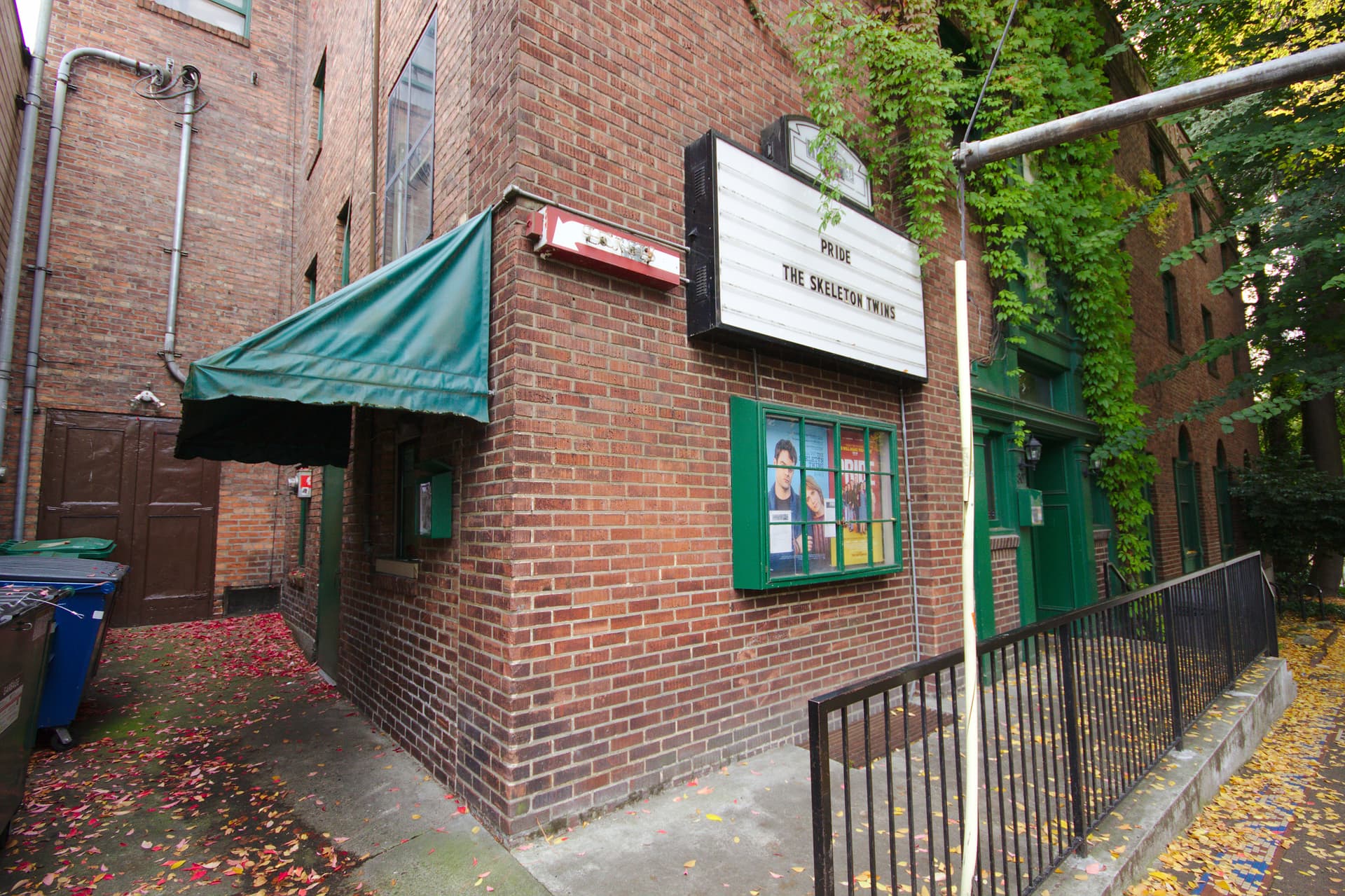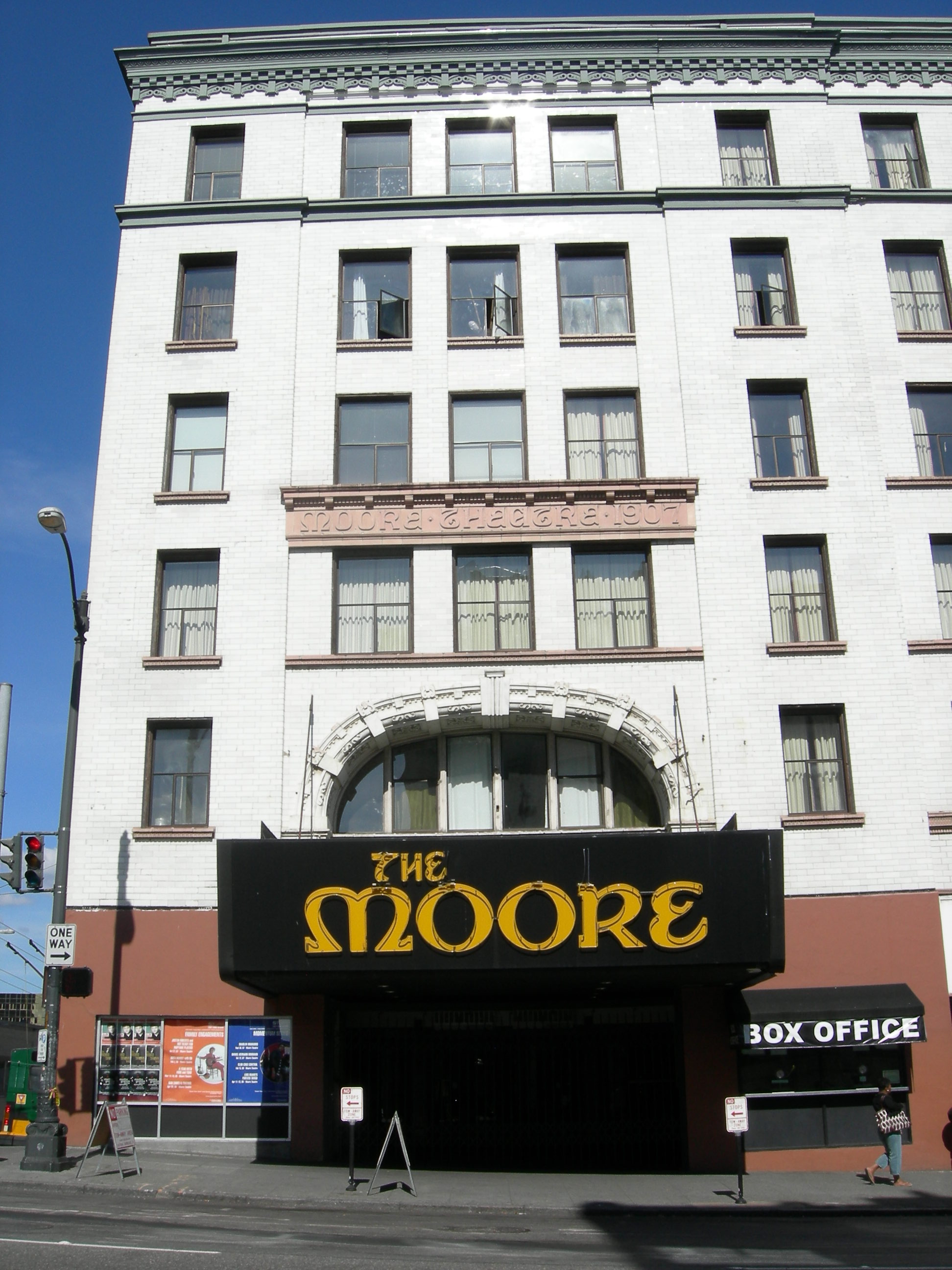
The Moore Theatre in Seattle has a haunting you hear rather than see. Footsteps crossing an empty stage, applause from a dark balcony, cigar smoke nobody can trace. Nothing bad ever happened in the building. The ground underneath it is another matter.
The Moore Theatre is the oldest working stage in Seattle, and the man who runs it has learned to talk back to the building. Steve Martin, its manager since the mid-1990s, told Seattle Refined about a morning alone in the basement production area. Bright weather, nobody else in the place. He heard footsteps cross the stage above him and went up to greet the caterers. Nobody there. He went back down, sat, and heard it again. The third time he stopped climbing stairs and simply spoke to it: "Hey, you're playing with me. Come on now, you're playing with me. Stop it!" It stopped.
That is the shape of the Moore's haunting. It is almost entirely something you hear. The accounts collected by Seattle's ghost-tour operators describe a heavy weight dragged across the boards followed by deliberate footsteps, breathing at the back of your neck, singing with no singer, and applause breaking out of an empty balcony. Cigar smoke drifts through the house and nobody has ever traced a cigar. When anyone tries to name the ghosts, they are usually said to be actresses who played the theater and stayed.
Almost nobody sees them. The one dated exception is a review posted to a haunted-sites directory in February 2021, from a concertgoer at a Megadeth show who watched a woman in a blue Victorian dress with small flowers walk purposefully toward a roped-off section. She was solid, the witness wrote, close enough to grab by the arm. A second later she was gone.
Every ghost tour in the city explains all of it the same way. One night in the 1970s, while the Moore was running as a cinema, the owners walked into the auditorium and found employees sitting mid-séance, trying to reach the ghosts they had been hearing about. They were fired on the spot and marched out, which means nobody ever formally closed the séance. No source gives a year, a name, or a record of it.
Here is what the lore is working around: nothing terrible ever happened at the Moore. It has been open since 1907 and no fire, fatal accident, or death has ever been recorded inside it.
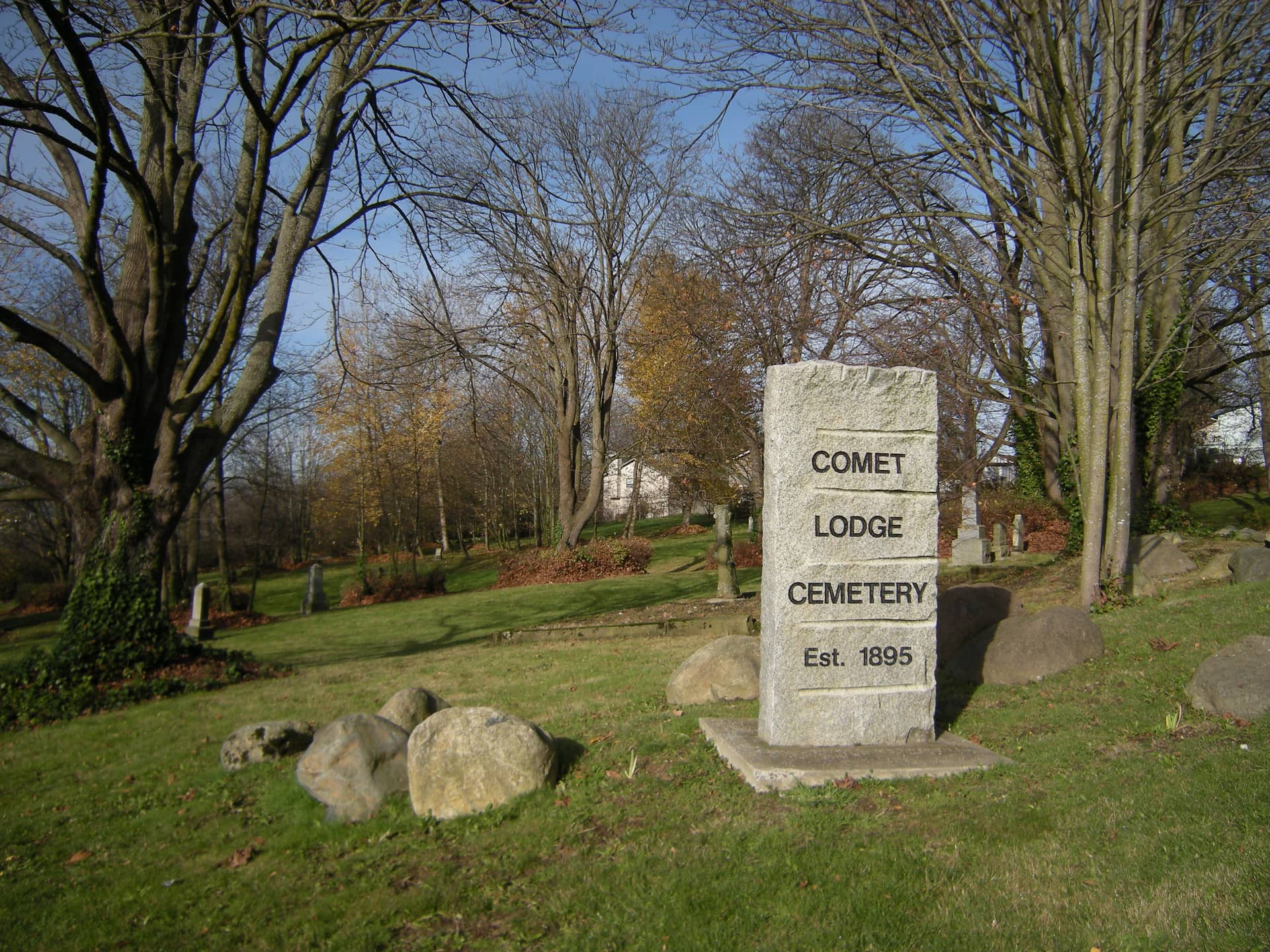
So the story reaches downward instead. HistoryLink's survey of King County cemeteries puts the Moore among the businesses standing on the old Denny Hotel ground, a block up from where the city's first burial place lay near Second and Stewart. Roughly 20 people went into it between 1853 and 1860, informally, no charge for the land, meant to be moved later. Asked about it in 1898, pioneer Arthur Denny confirmed the burials and then admitted the removals were never finished. The settlers' markers were wood. They rotted in the wet. The graves nobody could find were left exactly where they were, and Denny said he expected them to still be down there.