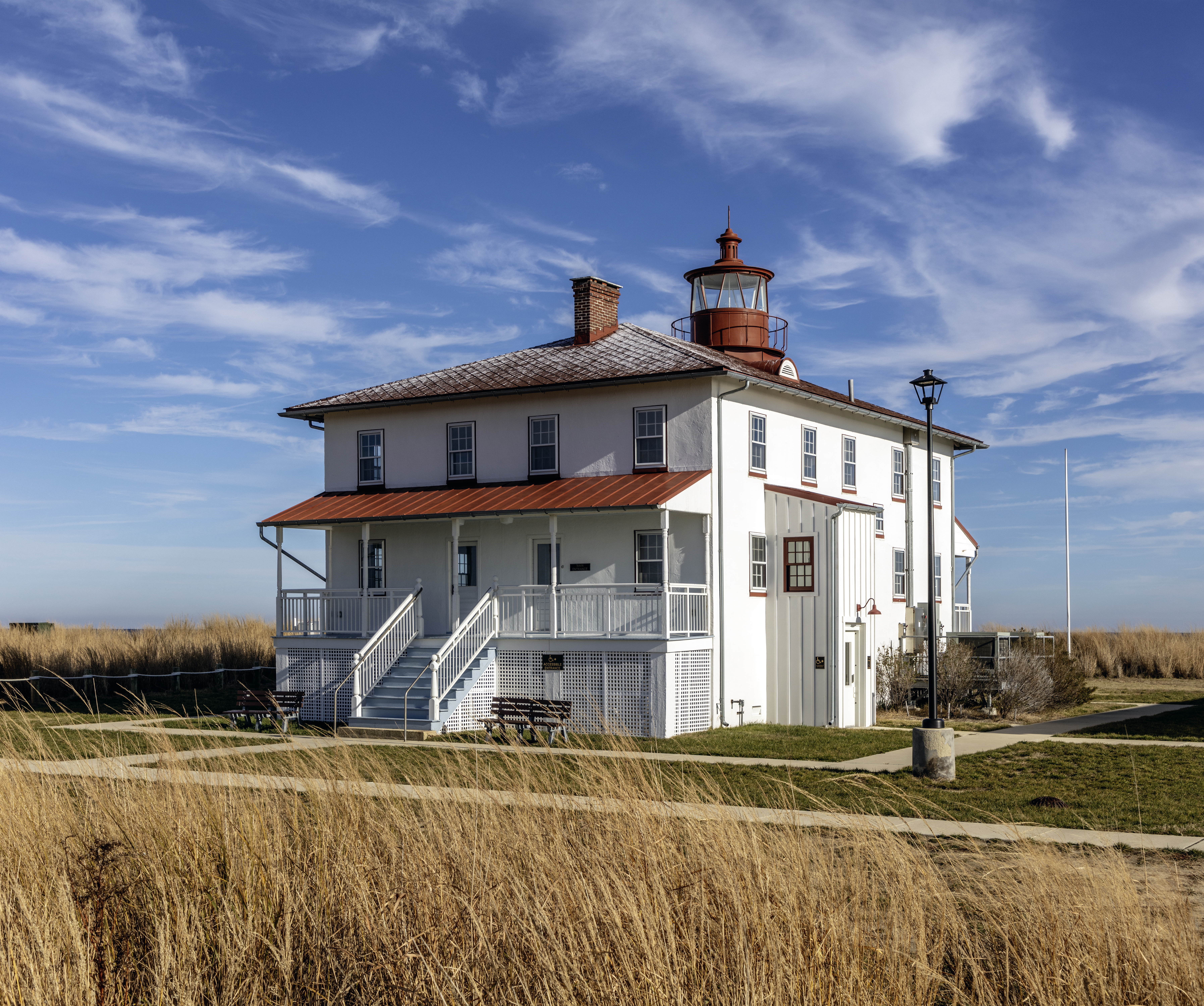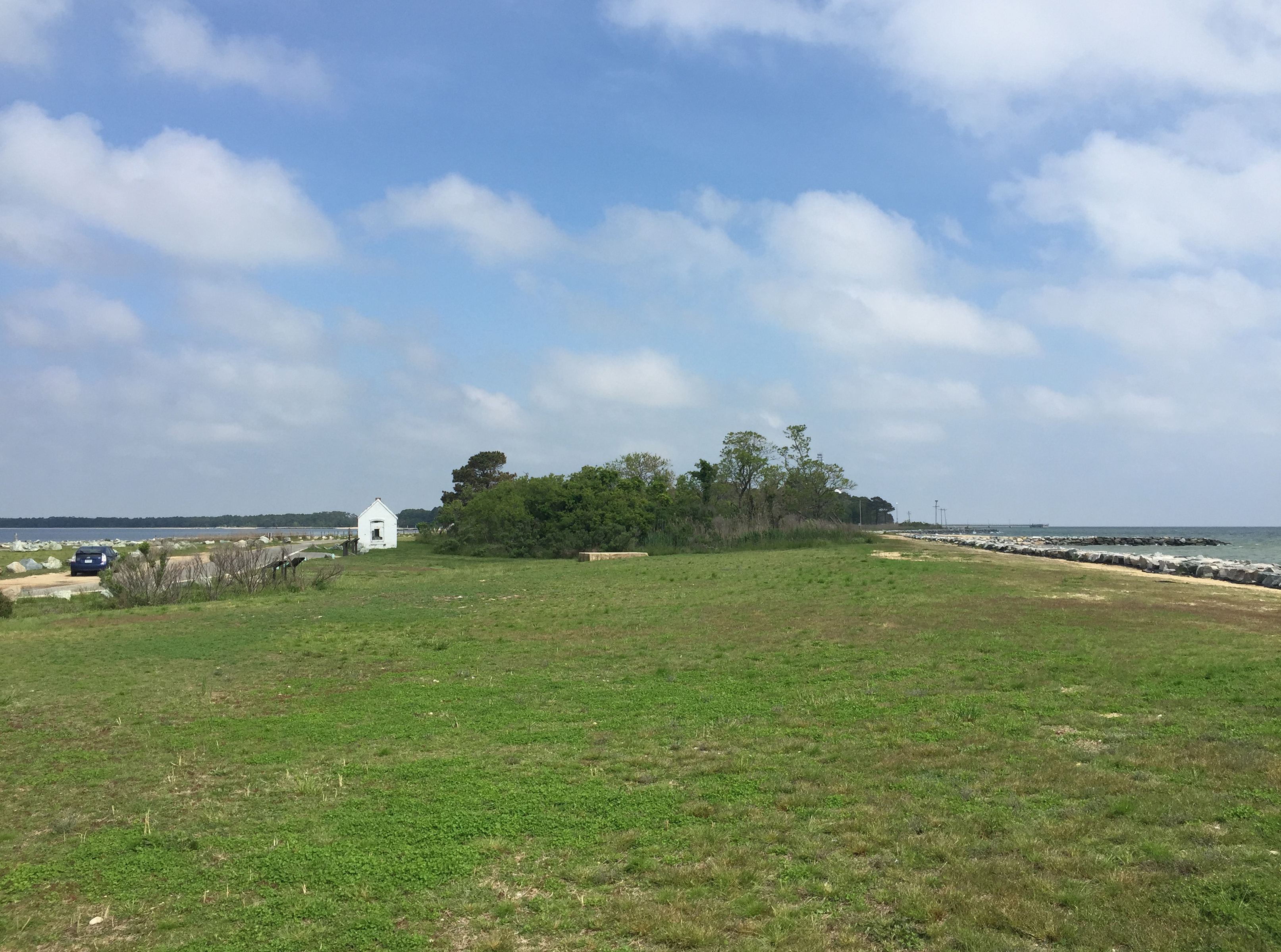
At the Point Lookout Lighthouse in Maryland, a 1980 investigation recorded what its leader counted as 24 distinct voices — one telling a soldier to fire, one woman saying "This is my home." The lighthouse sits on a spit of land that buried 3,384 prisoners.
At the Point Lookout Lighthouse in Maryland, a famous ghost hunter spent part of 1980 recording the voices of people who weren't there. Hans Holzer brought a team to the white keeper's house at the invitation of the park manager, and his recordings counted 24 distinct voices in and around the building — men and women, speaking and singing. One, he believed, was a Civil War soldier, caught saying "Fire if they get too close to you." Another, a woman, said "This is my home." Holzer walked away calling the place "haunted as hell."
The woman, the story goes, is Ann Davis. Her father James was the lighthouse's first keeper when it was lit in 1830, and he died about two months into the job. Ann took over the light and kept it until her own death in 1847. People say she still appears at the head of the stairs, in a blue skirt and white blouse.
She has had company. The light station sits at the southernmost tip of a Maryland peninsula, where the Potomac runs into the Chesapeake — and that same point held the largest Union prison camp of the Civil War. Camp Hoffman went up after Gettysburg, a 40-acre field of tents behind a tall fence with a guard walk along the top. Roughly 50,000 Confederate soldiers passed through it. Nearly 4,000 died of bad water, thin food, and disease, and a mass grave on the point holds 3,384 of them under an inscribed pillar.
The water around the point took its own. In 1864 the gunboat USS Tulip blew up on the Potomac when its condemned boiler was fired against orders; of 57 crew, 47 were killed at once. In 1878 the steamer Express sank in a storm off Point Lookout, and an officer named Joseph Haney drowned rowing for shore. His body washed up later and was buried nearby. The story has him still knocking: a lighthouse resident opened the door to no one and found only puddles of water leading back toward the bay.
The last people to live in the lighthouse logged what stayed. Laura Berg, the final resident, reported heavy boots in the hallway, a foul smell shut inside one room, two transparent figures in the basement, and a woman's voice singing at the top of the stairs. The park manager heard snoring in an empty kitchen and watched three candles burn down at three different rates. A ranger kept seeing the same man run across the same stretch of old road, near the cemetery where they buried the smallpox dead.
The light went dark in 1965. The voices, by every account, did not.