On the winter trails at Jockey Hollow in Morristown, New Jersey, people report a woman in a long white colonial dress carrying a lantern. She walks the ground where Washington's army endured the Hard Winter of 1779, the cruelest of the whole Revolution.
On the trails at Jockey Hollow in Morristown, New Jersey, in the quiet months of winter, people report a woman in a long white colonial dress carrying a lantern. She keeps walking, and the trail seems to bend and empty ahead of her before anyone can close the distance. No record names her, dates her, or ties her to anyone who lived. She is just there in the cold, ahead of you, holding the light.
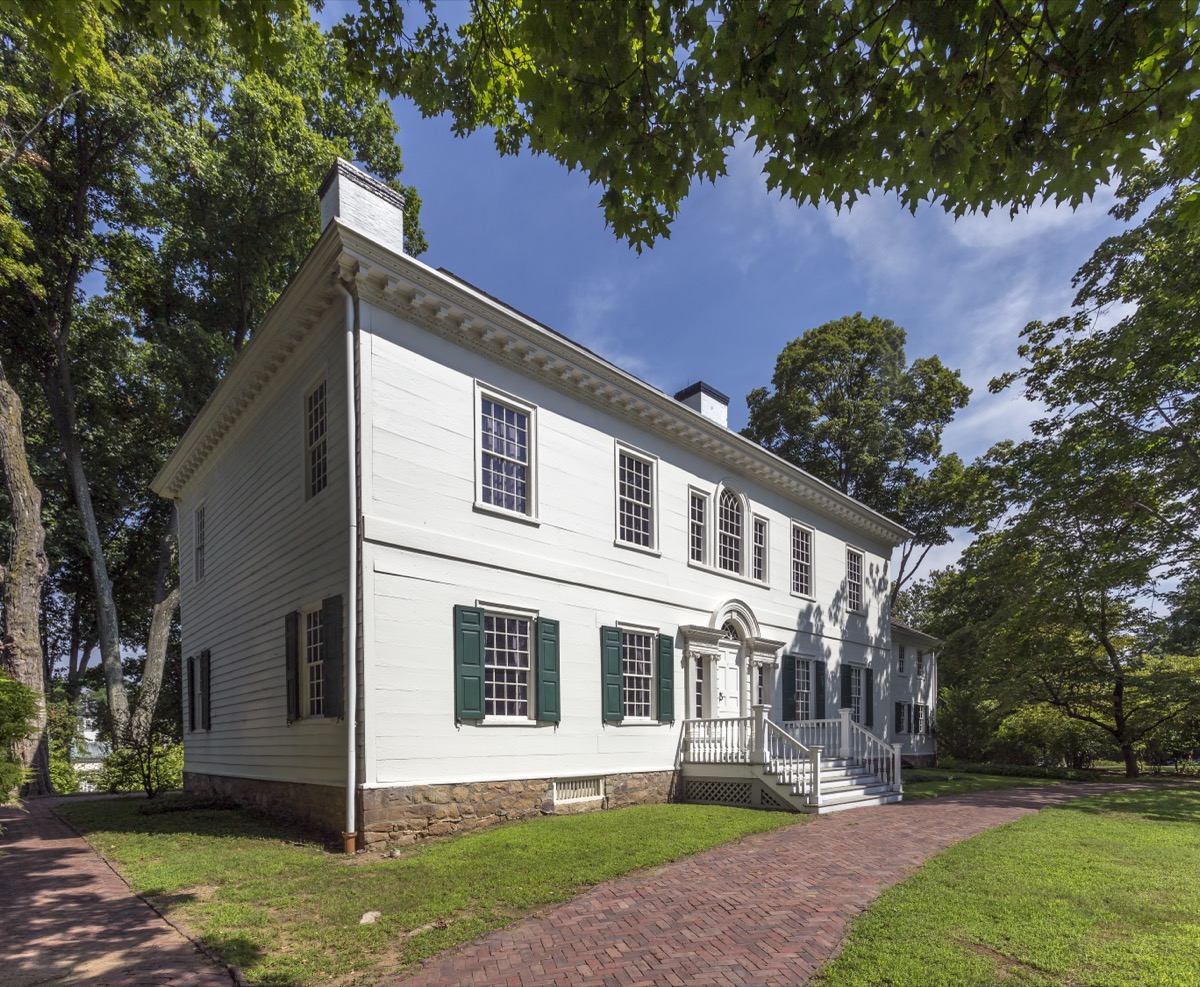
The winter is the part that's documented. In December 1779, more than 10,000 of Washington's Continental soldiers marched into these hills and built over a thousand log huts, each about 14 by 16 feet, one fireplace, twelve men crammed inside. To raise them, the army felled roughly 600 acres of Henry Wick's timber, and a general moved into Wick's farmhouse to run the camp. Then the cold came. They called it the Hard Winter, worse than Valley Forge two years before. Twenty-eight separate snowfalls fell on the encampment, including an early-January blizzard that dropped four feet in two days. The men went five or six days at a stretch without bread, as many without meat, and they boiled and ate the leather of their own shoes and stripped bark from the trees. "It will infallibly disband in a fortnight," Washington warned of his army. Fewer than 100 soldiers died here. More than a thousand simply walked away.
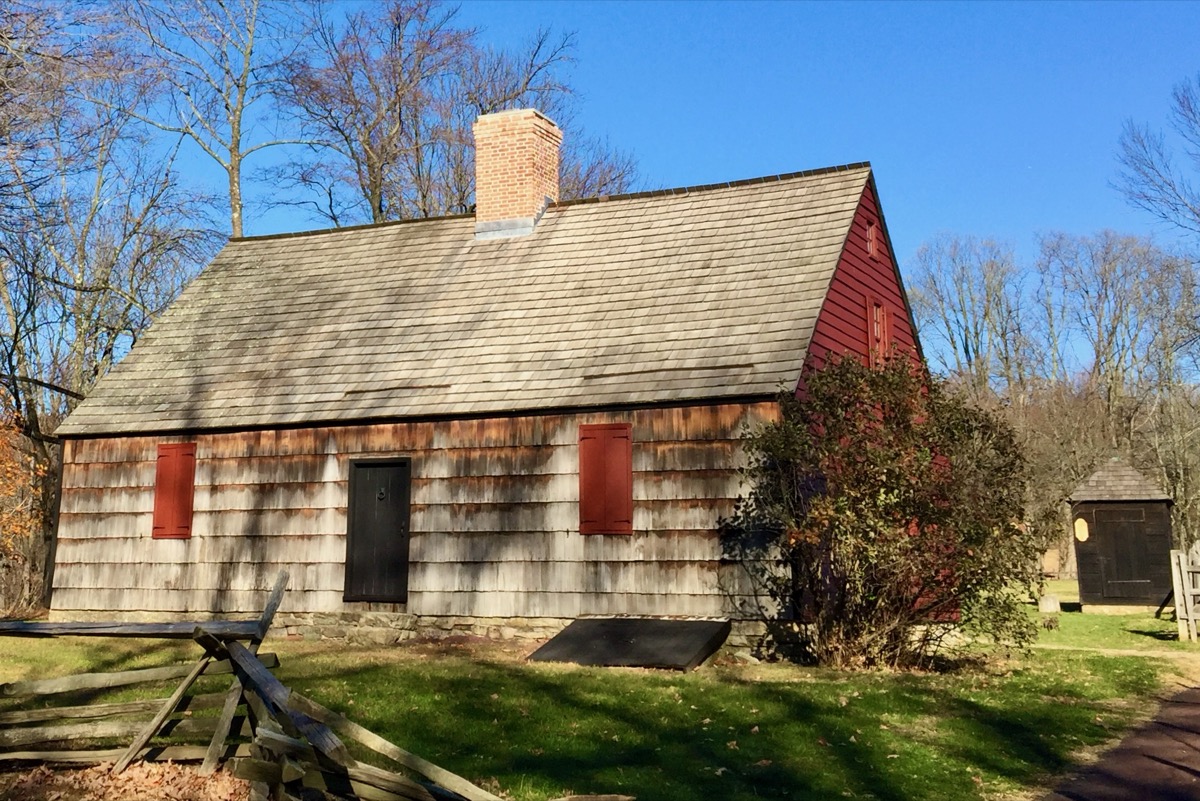
The lantern woman isn't the only thing on this ground. Four of those huts stand again on Sugar Loaf hill, rebuilt in 1964 on the original footprint, on a rise the locals call Haunted Hill. A group of eight reenactors who spent a December night up there reported fife-and-drum music with no musicians among them. One woman heard it "seemingly emanating from directly next to her" on the walk back from a porta-potty. Others describe dark, shapeless outlines moving between the huts. Hikers say they've watched colonial soldiers march in lockstep through dense trees. A Morristown man wrote of a brown dog he doesn't own appearing in his yard for years, chasing his cats, then vanishing.
At the base of Sugar Loaf, a small boulder carries a plaque. It marks a cemetery said to hold more than a hundred soldiers in unmarked graves, with no headstones and no list of who is down there. They went into the cold ground sometime in that winter, in the place where the army starved, and most of them were never named either. Like the woman with the lantern, they're simply still here, and no record will tell you who they are.