Antietam National Cemetery in Sharpsburg, Maryland holds 4,776 Union dead from the bloodiest day in American history. A visitor once watched a wisp of mist rise from the ground and disappear into a headstone — one of 1,836 graves that carry no name.
At Antietam National Cemetery in Sharpsburg, Maryland, a visitor once watched a wisp of mist come out of the ground and then disappear into a headstone. That account is the only ghost story tied to these graves and no others. Everything else here is documented, and worse.
The cemetery holds 4,776 Union soldiers killed at Antietam and in the Maryland fighting around it, including South Mountain, Crampton's Gap, and Monocacy. The Battle of Antietam, fought September 17, 1862, was the bloodiest single day in American history — roughly 23,000 men killed, wounded, or missing over about twelve hours. The grounds were bought two years later: 11¼ acres for $1,161.75.
Of those 4,776 graves, 1,836 carry no name. After the war, two local men, Aaron Good and Joseph Gill, set out to put names to the dead. They worked from letters, diaries, receipts, photographs, and the marks scratched into belt buckles and cartridge boxes, and they interviewed relatives and comrades. From October 1866 to August 1867, remains were gathered from 33 locations inside a 120-mile radius and reburied here. For more than a third of the men, there was simply nothing left to read.
The graves are laid out by state, each section radiating in an arc from the center, where the Private Soldier Monument stands. They call it "Old Simon" — a granite figure 44 feet 7 inches tall, 250 tons, posed in place rest and facing north. The inscription reads: "Not for themselves, but for their country." The cemetery was dedicated on September 17, 1867, the fifth anniversary of the battle, with President Andrew Johnson in attendance. Later wars added their own dead; over 200 veterans of conflicts through Korea are buried here, until burials stopped in 1953.
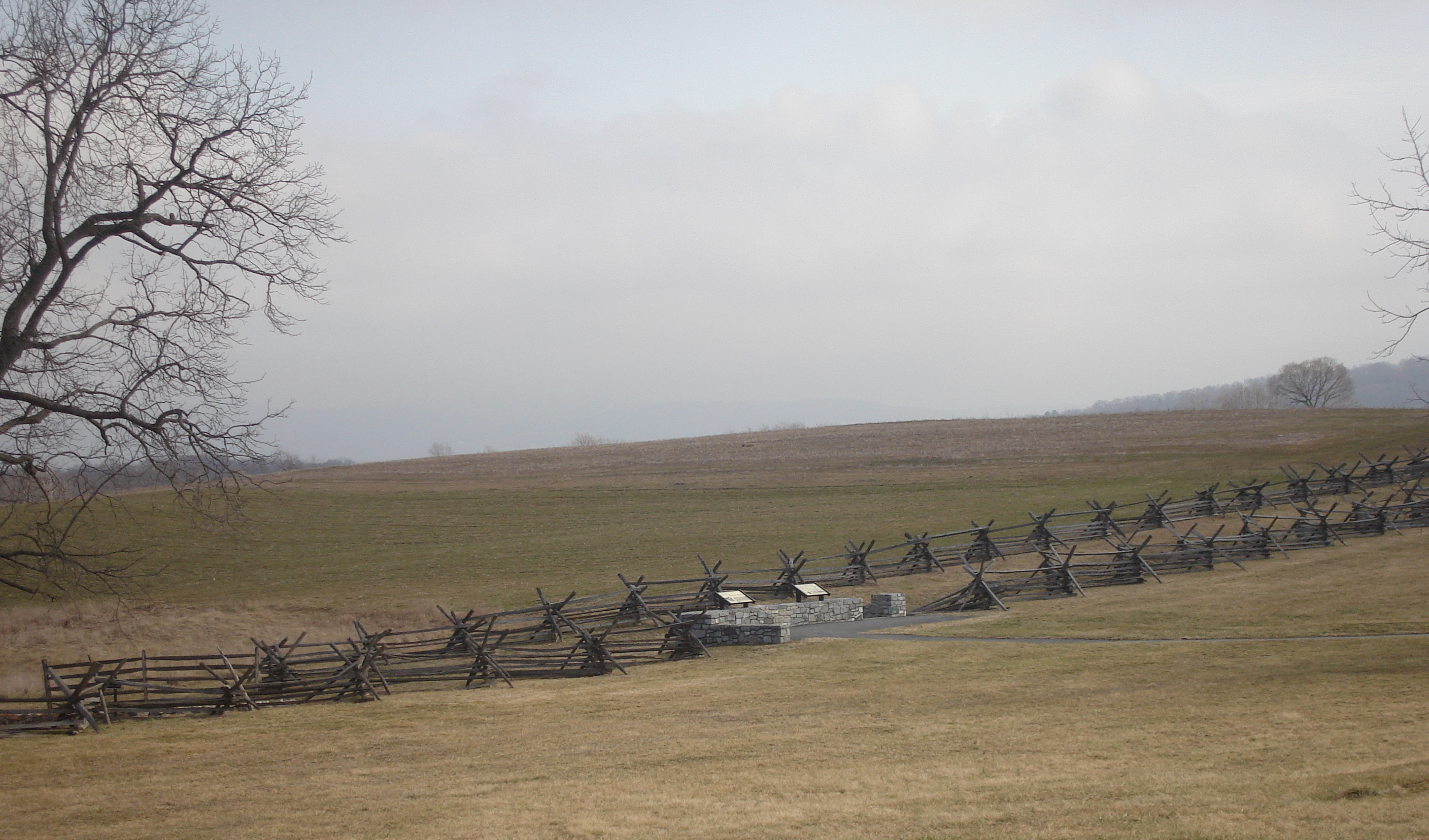
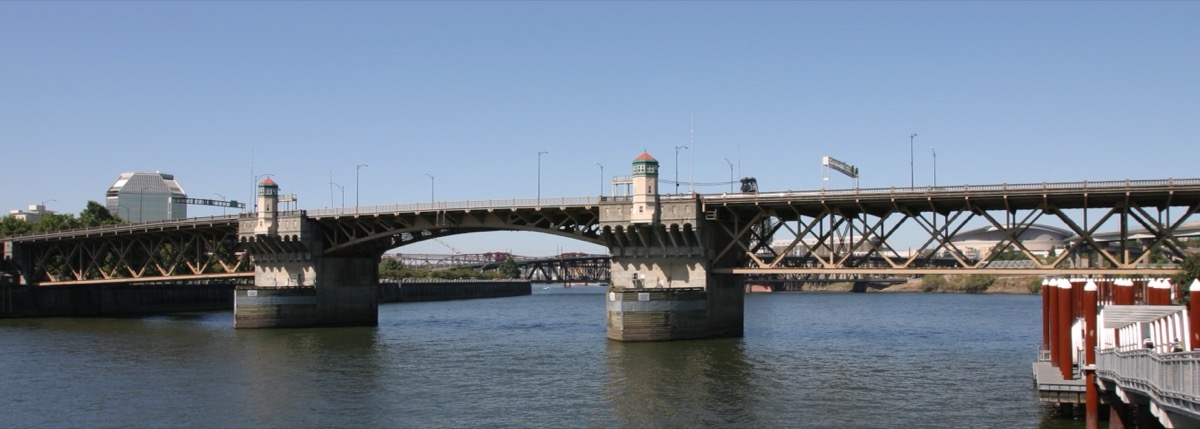
The dramatic Antietam ghost reports — phantom drumbeats, balls of blue light moving in cadence — belong to Burnside's Bridge and the wider battlefield, not these grounds. What clings to the cemetery is quieter and harder to source. The mist into the headstone is the one account that names this place, and even it has no teller beyond an anonymous visitor.
The cemetery closes at dusk. That's also when the reports cluster, as visitors walk back to their cars across ground where Robert E. Lee once stood to watch the battle. Most of the dead under that ground were named by two men reading belt buckles. The rest never could be.