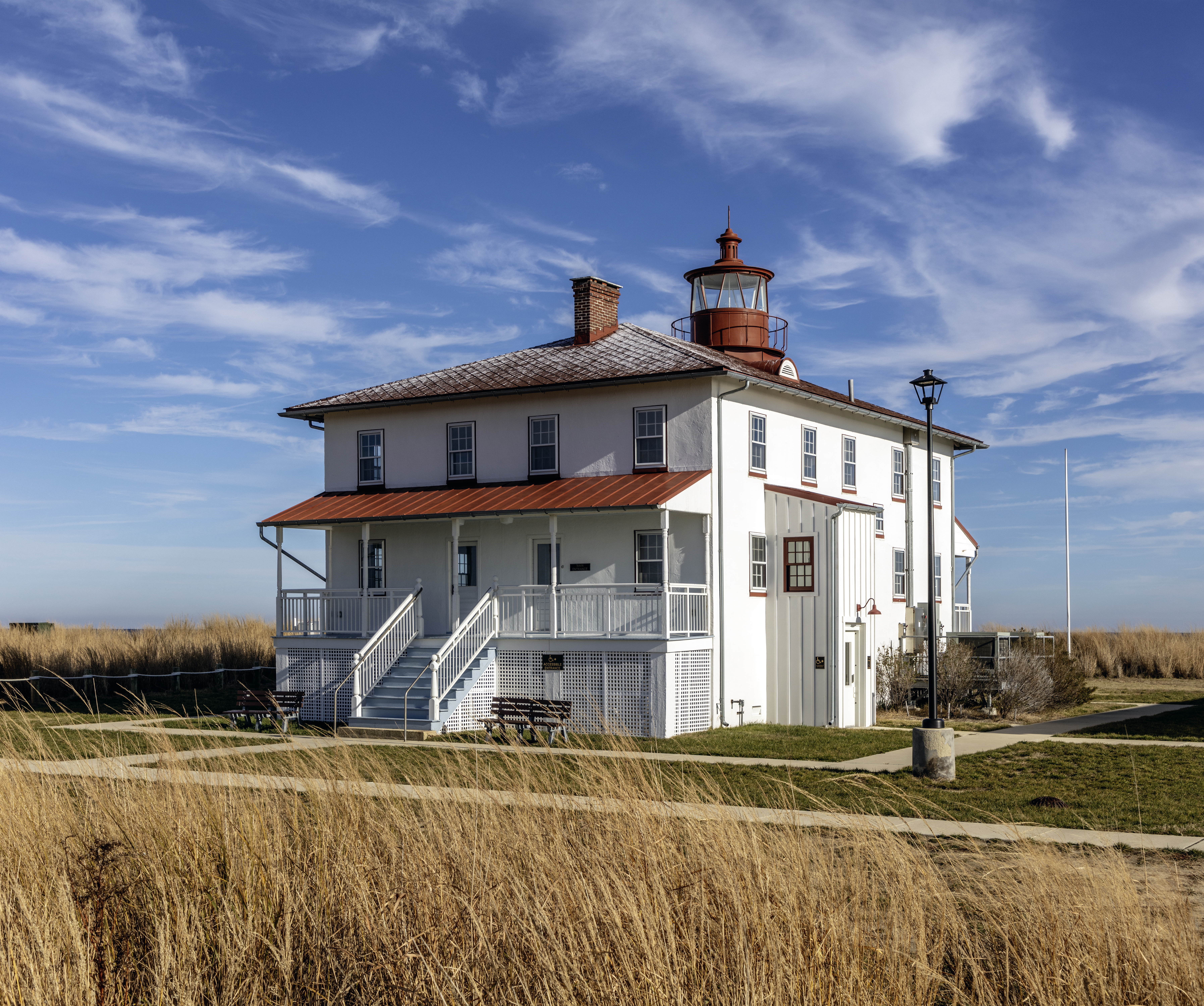
Point Lookout Lighthouse

Point Lookout Lighthouse

🗯 lighthouse

Scotland, Maryland ยท Est. 1830

TLDR

Point Lookout Lighthouse, called the most haunted lighthouse in America, sits near mass graves of 3,000-8,000 Confederate prisoners of war. Dr. Hans Holzer recorded 24 distinct ghost voices in 1980, and keeper Ann Davis's spirit still announces 'this is my home' from the top of the stairs.

The Full Story

Laura Berg lived alone in Point Lookout Lighthouse from December 1979 to October 1981. Her first night, she heard someone pacing the hallway outside her bedroom door. Heavy boots on old floorboards, back and forth, for hours. She checked. Nobody was there. That set the tone for the next two years.

Berg heard a woman singing merrily in the empty building. Men chatting and laughing in rooms where she was the only living person. Books launched off shelves. Awful smells appeared and vanished in different rooms with no source. One night, a cluster of dancing lights materialized above her bed. Then she smelled smoke. She ran downstairs and found a space heater on fire. Whatever woke her up, whether it was the lights or the spirits or both, saved her life and the lighthouse. Berg went on to co-found the Point Lookout Lighthouse Preservation Society and later became Maryland's Secretary of State.

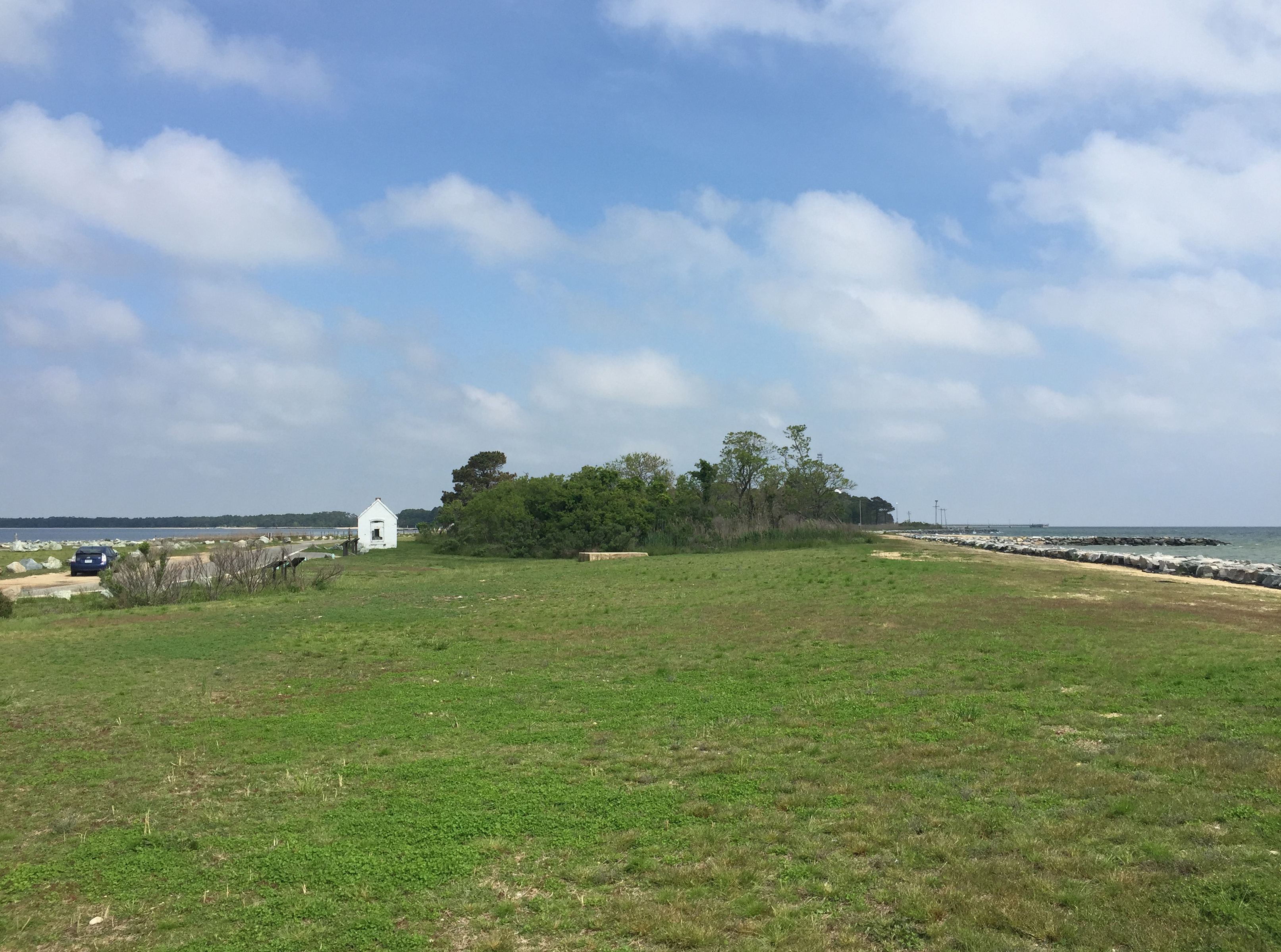
The lighthouse was built between 1828 and 1830 by contractor John Donohoo for $3,350, at the tip of a peninsula where the Potomac River meets the Chesapeake Bay. The first keeper, James Davis, lit the lamp on September 20, 1830. He was dead by December 3rd, just over two months later. His daughter Ann Davis took over the job at a salary of $350 per year and ran the light capably for roughly seventeen years. Ann is the ghost most people encounter. Visitors and investigators describe a woman at the top of the staircase in a blue skirt and white blouse. An EVP recording captured her voice: "This is my home."

The Civil War turned the peninsula into a nightmare. Hammond General Hospital was established nearby in 1862, and Camp Hoffman opened in 1863 as the largest Union prisoner-of-war camp for Confederates. Designed for 10,000, the camp held as many as 52,000 men in open-air conditions with contaminated water, spoiled food, and tents that offered almost no protection in winter. Between 3,000 and 8,000 Confederate soldiers died from disease, exposure, and war wounds. They were buried in mass graves within sight of the lighthouse.

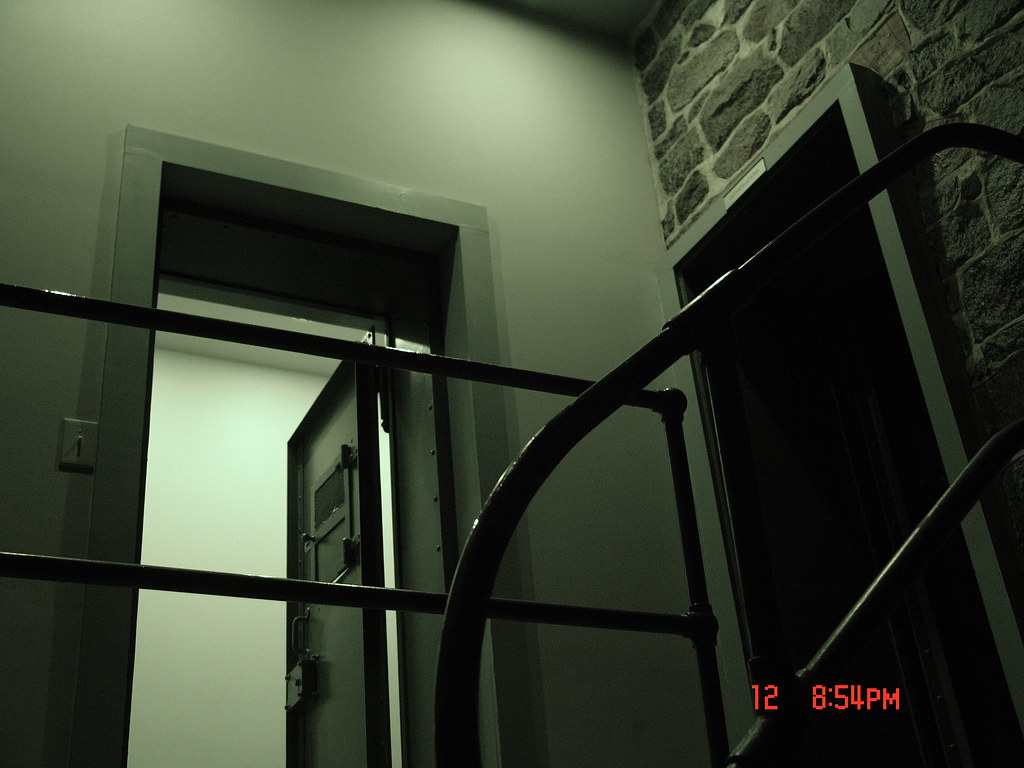
Paranormal researcher Dr. Hans Holzer brought a team to the lighthouse on January 14, 1980, at the invitation of Park Superintendent Gerald Sword. The investigation was groundbreaking. Holzer's team recorded 24 distinct voices, male and female, singing and talking throughout the building. One chilling EVP captured what sounded like a Union guard giving an order: "Fire if they get too close to you." A medium on Holzer's team sensed a woman at the top of the stairs who had contemplated throwing herself down them, a young blonde man who had been "murdered within the last 50 years," and people held against their will in the guest room.

The Maryland Committee for Psychical Research followed up with four more investigations through 1980. They recorded a woman singing in the north hallway and a desperate voice from the basement: "Let me out or get out." Medium Nancy Stallings felt a definite presence in the south front bedroom. During a seance in the south bedroom, spirit lights were photographed and multiple whispered voices were captured on tape. A 2001 investigation with medium Carol produced another encounter: an entity physically pushed Carol in the south basement.

Sword himself, who lived on the north side of the lighthouse through the late 1970s, documented plenty of his own experiences. His kitchen wall glowed for ten minutes. He heard snoring in the empty kitchen for two weeks straight. During storms, voices came from everywhere, inside and outside. His Belgian Shepherd lunged at things nobody else could see. One morning, Sword found his dog on the wrong side of a locked screened porch. The door was still locked from the inside.

In October 1878, the steamship Express sank in a storm off Point Lookout, killing several passengers and crew. Second Mate Joseph Haney tried to row ashore for help and drowned. Days later, his body washed up on the beach. Sword saw Haney's ghost in the 1970s: a man in a sack coat and floppy hat walking toward the house during a storm. When Sword opened the door, the figure floated through the porch wall and vanished toward the bay. Since then, residents have reported knocking at the door during storms, opening it to find nobody there, just puddles of water trailing toward the beach.

A famous photograph from a 1970s seance shows what appears to be a Confederate soldier standing behind Laura Berg as she holds a candle. The figure is gaunt, in tattered Civil War clothing, clearly visible. George Gatton, the last civilian keeper (who served into the early 1960s), had a different take on the whole situation. "I don't believe it," he said. "I have lived here nearly all my life and I ain't never seen nothing."

The lighthouse operated for 135 years before being deactivated on January 11, 1966. It opened as a museum in 2025 and hosts paranormal investigation nights. Twenty-four recorded voices, a ghost who announces "this is my home," and puddles of water from a drowned sailor who keeps knocking. The evidence at Point Lookout is hard to argue with, even if George Gatton managed to.

Researched from 8 verified sources. How we research.