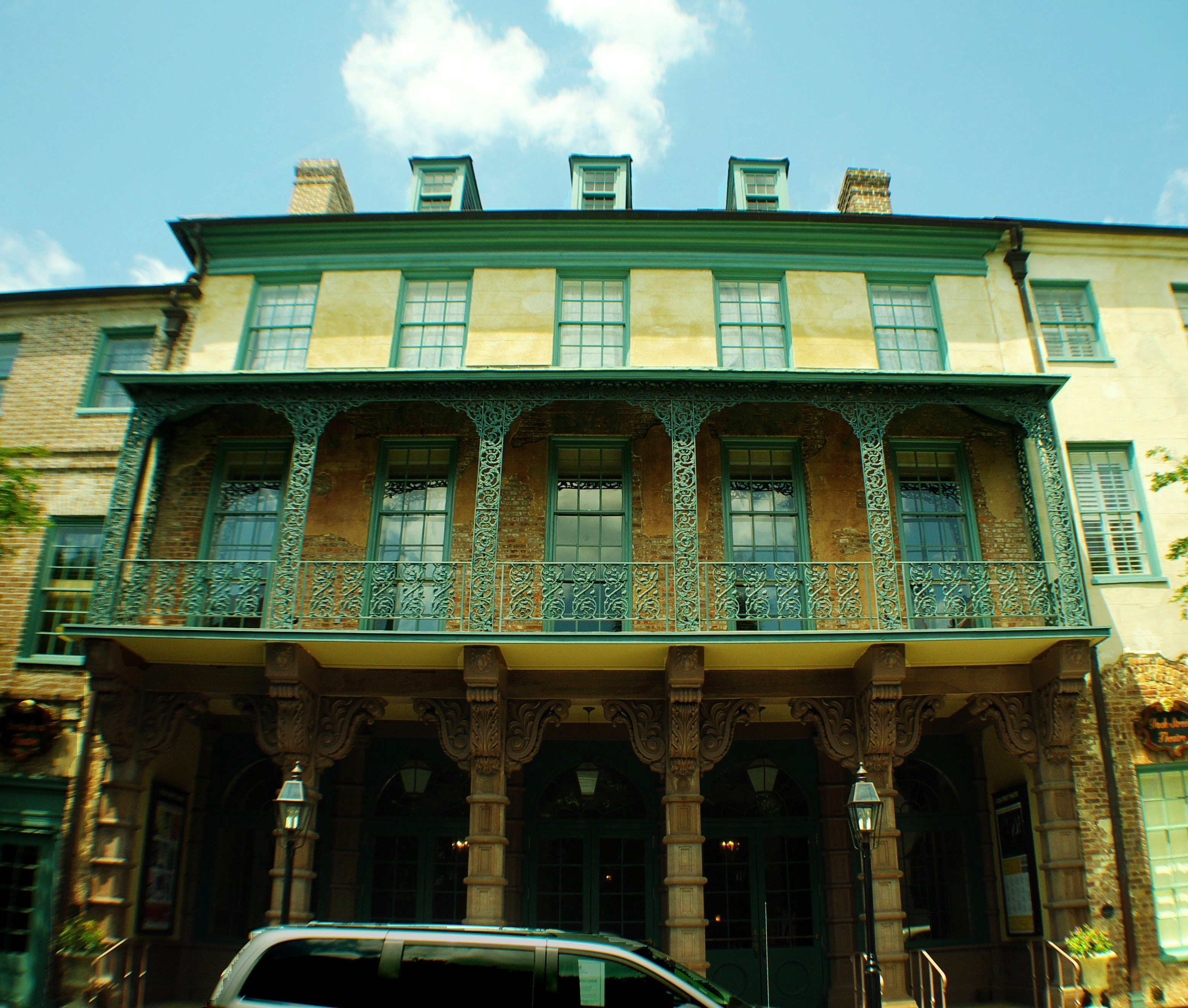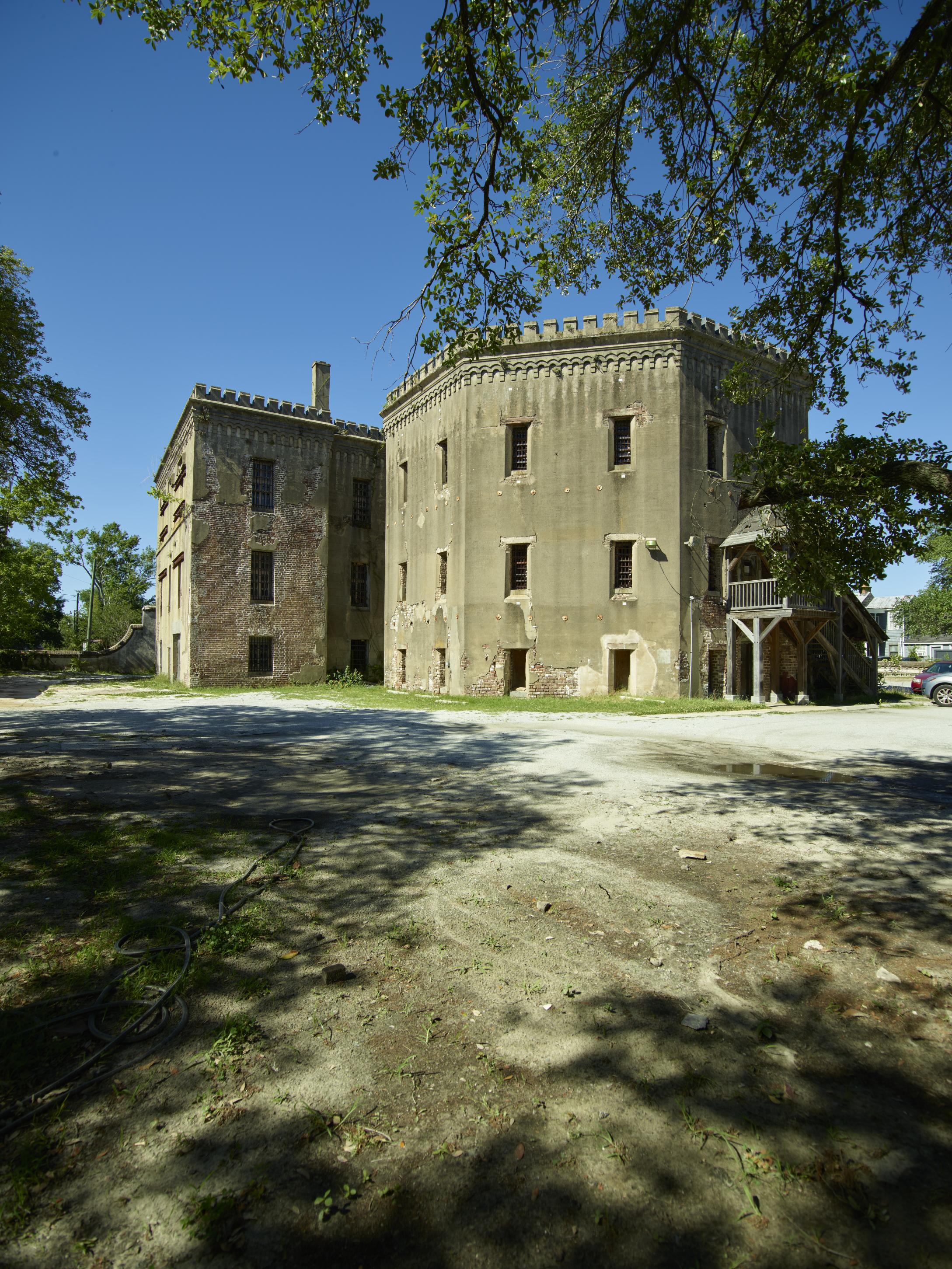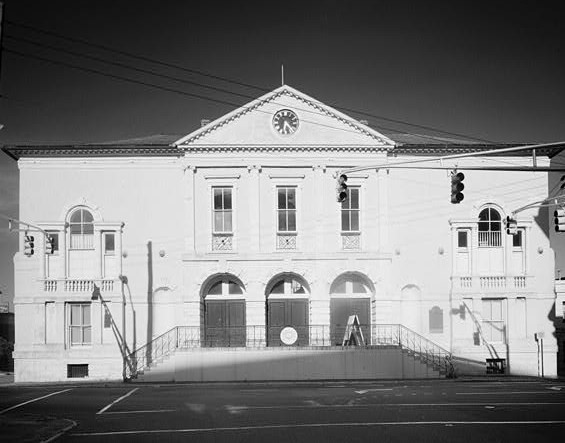
The Old Exchange and Provost Dungeon in Charleston, South Carolina keeps Colonel Isaac Hayne, a Patriot officer the British hanged in 1781. Visitors watch costumed figures vanish upstairs and hear his boots pace the floor, as if he's keeping a promise to his sister.
At the Old Exchange and Provost Dungeon in Charleston, South Carolina, visitors keep walking toward a man in period dress on the upper floor, take him for costumed staff, and watch the figure vanish before they reach him. There's a room up there named for the man they think it is: Colonel Isaac Hayne.
Hayne was a Patriot militia officer, held prisoner in this building and hanged on August 4, 1781, condemned for treason after he took up arms again once he judged his British parole void. He was 35. On the morning of his execution, soldiers led him out of the Exchange and through the streets of Charleston in chains toward the gallows. The route passed his sister's house. The legend says she begged him to come back, and he answered, "I will, if I can." People report hearing his boots pace the floor above, as if he's still coming to keep the promise.
The building he was marched out of is one of the strangest addresses in America. It was finished in 1771 as Charleston's grand Exchange and customs house. From its steps a crowd heard the Declaration of Independence read aloud in 1776; inside its hall, South Carolina ratified the U.S. Constitution in 1788, one of only three buildings left standing where that was done. Upstairs, the founding of a republic. Underneath, a dungeon that had been taking prisoners since before the customs house above it was finished.
The same rooms that celebrated the Declaration also jailed three of the men who signed it. When the British took Charleston, they imprisoned Edward Rutledge, Arthur Middleton, and Thomas Heyward Jr. here and shipped them off to St. Augustine.
After the city fell in 1780, the British turned the basement into a military prison they called the Provost, and packed it with American POWs, private citizens, and enslaved people chained to the brick. Decades earlier the same cellar had held the pirate Stede Bonnet's crew before they were hanged. Down there, visitors report chains that swing with no one near them, cold spots, hands that shove or close around a throat, and cries with no source.
One investigator working the dungeon in 2020 wrote that her EMF meter went erratic the moment she started down the stairs and stayed active the whole tour, then went quiet the instant she stepped outside. During the same session, she said, a spirit box surfaced fragments while the guide described what the cells had been: "cruel," "violation," "he is guilty."