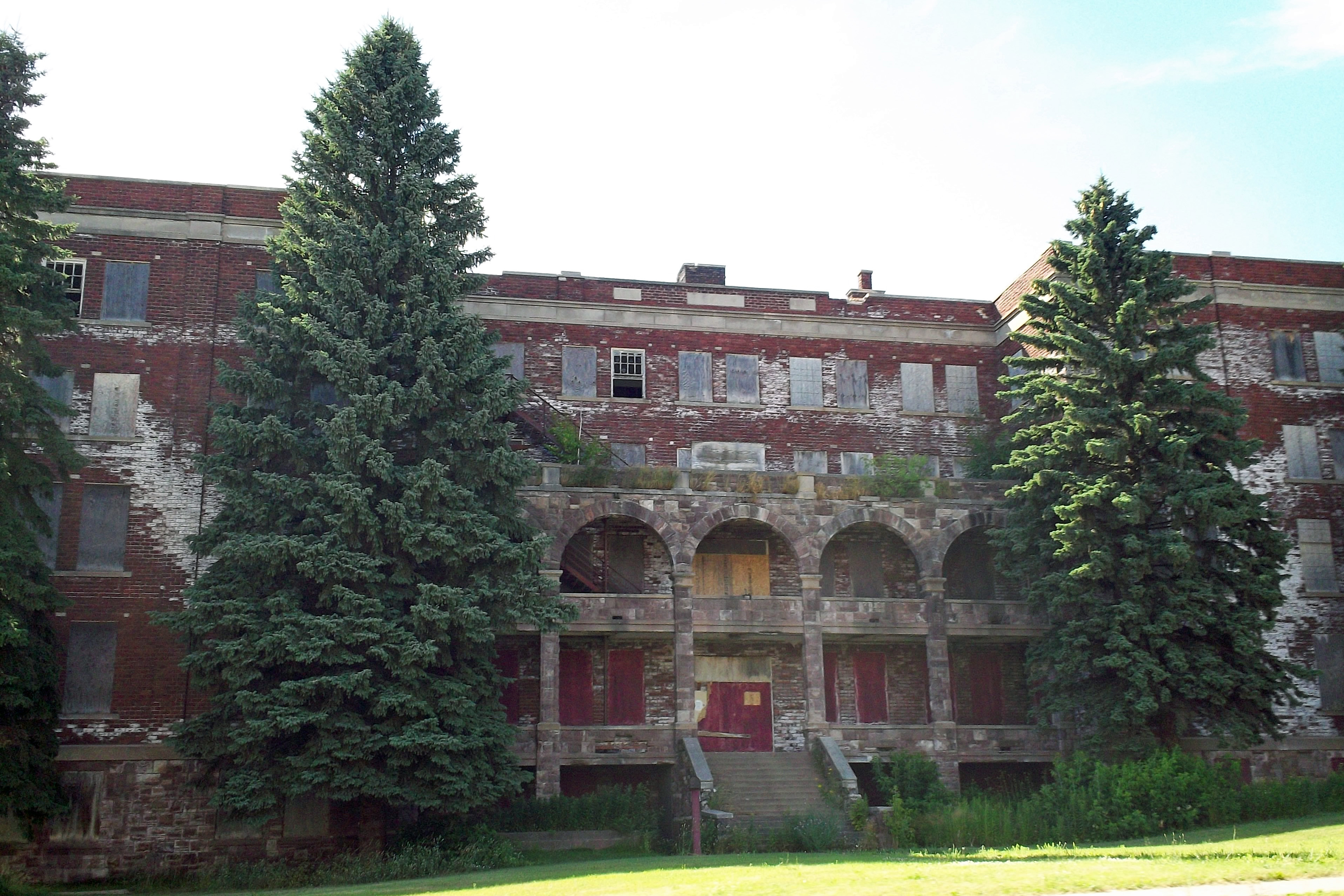
The Holy Family Orphanage in Marquette, Michigan stood empty for roughly 35 years, and people walking past the boarded windows kept hearing children crying inside. The worst story it kept is a girl left out in the snow.
The Holy Family Orphanage in Marquette, Michigan sat abandoned behind a chain-link fence for roughly 35 years, and the whole time people walking or driving past the boarded windows reported the same thing: children crying inside. Moans, sobbing, from a building everyone knew was empty.
The story they tell to explain it is about a girl. As punishment, the account goes, the nuns left her outside in a snowstorm. She caught pneumonia and died days later, and they laid her body out in the lobby where the other children had to file past it, as a warning. One widely-repeated version of the legend puts it plainly: every child was forced to view the girl. Former residents, now elderly, will confirm a child died there. They won't confirm the part about the body.
The orphanage opened in 1915, built for about $100,000 and run by eight nuns under the Roman Catholic Diocese of Marquette, founded by Bishop Frederick Eis to relieve crowding at two other Upper Peninsula homes. Among its first residents were 60 Native American children, taken from their families in Assinins and brought here as part of forced assimilation. At its peak it held around 200 kids. Former residents describe the nuns as physically and mentally abusive, and rumors followed for decades of children beaten to death or left out in the cold. No record names a single one of them.
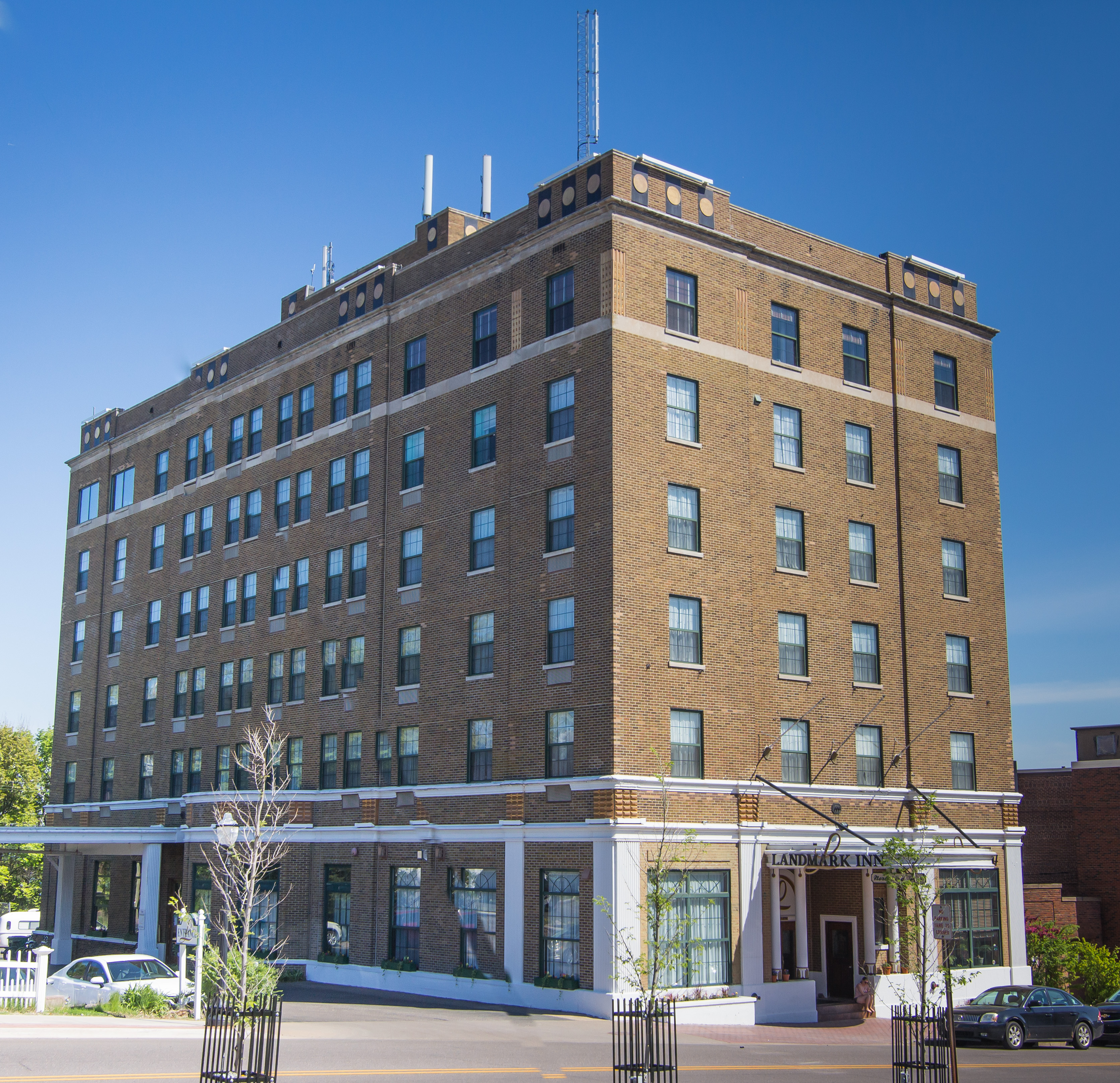
It closed as an orphanage in 1965. The last group to leave were Cuban refugee children, brought north in 1963 through Operation Pedro Pan; they were gone by 1967. The building ran as offices until the early 1980s, then sat empty long enough to become one of the most-photographed ruins in the Upper Peninsula, its arched loggia and boarded windows visible from nearly every road into town.
The lore kept growing in the dark. Visitors who slipped inside told of a boy said to have been beaten to death and stored in the basement, a green orb hovering near a medical table down there, and the sound of children sobbing, along with the words "help" and "hurt," near the main stairwell.
A local businessman bought it in 1998 meaning to convert it to assisted living, and that plan went nowhere too; the orphanage just kept standing there, fenced and rotting. In 2018, after a $15.8 million renovation, the building finally reopened as apartments. Fifty-six units, some reserved for families in need, Lake Superior visible from the top floors. People live there now, in the place that spent 35 years crying to the road.