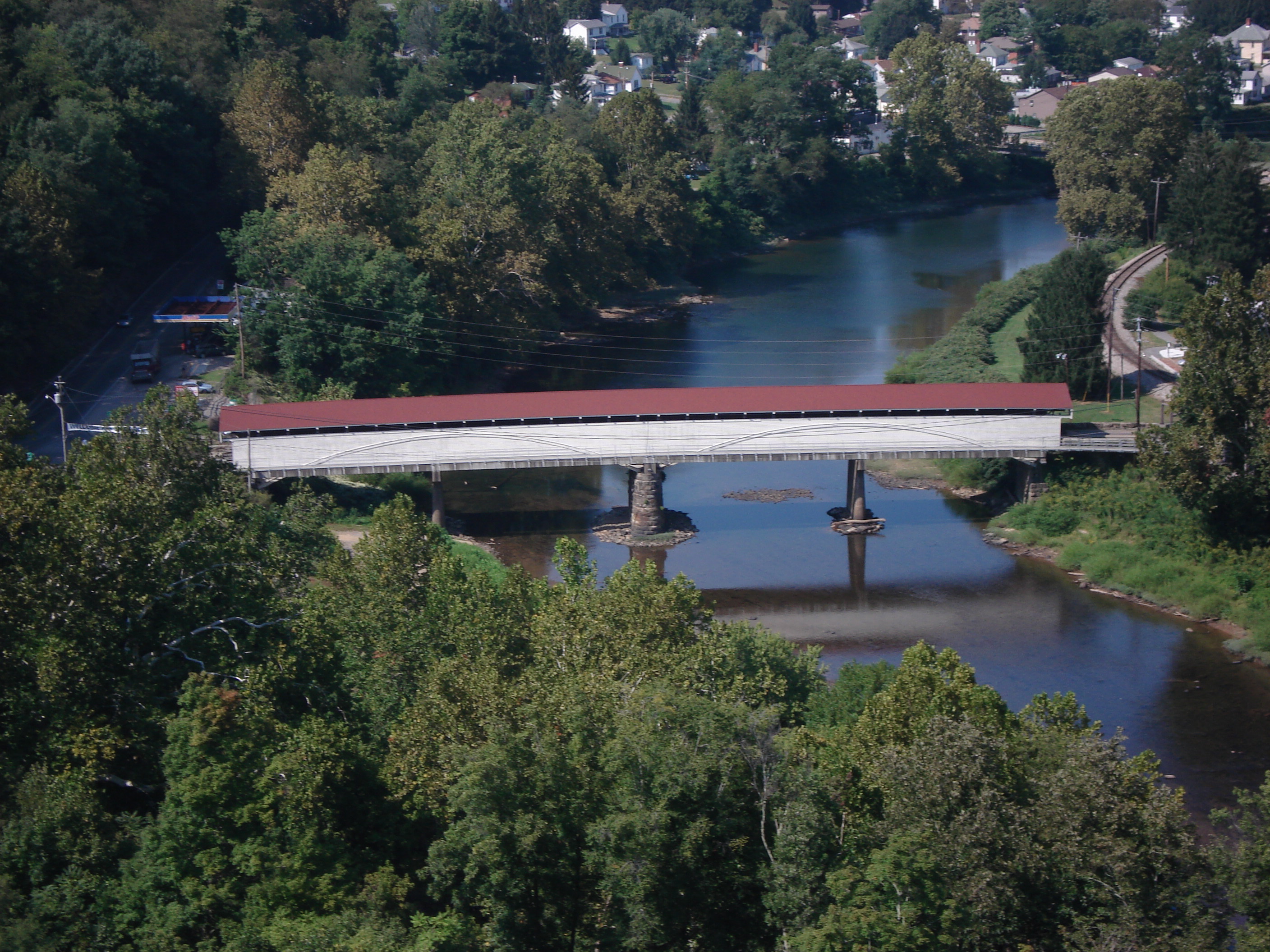
The Philippi Covered Bridge, built in 1852 and the oldest in West Virginia, was the site of the Civil War's first land battle in 1861, where an 18-year-old Confederate's amputation launched the world's largest prosthetics company. The town reports phantom horseback riders at night and a wailing woman in white, while the bridge carries a legend of Lincoln and Davis meeting secretly inside it during the war.
James Hanger was eighteen years old, a college student, and a brand-new Confederate recruit when a Union cannonball tore through the stable where he was sleeping on the morning of June 3, 1861. The Battle of Philippi lasted less than twenty minutes. It produced almost no casualties. But Hanger's leg had to come off, making his one of the first battlefield amputations of the entire Civil War. While imprisoned, the engineering student carved himself an artificial leg from barrel staves. He eventually founded the Hanger Orthopedic Group, which is still the largest prosthetics company in the world. The bridge he was sleeping near when the shell hit is still standing, too.
The Philippi Covered Bridge spans the Tygart Valley River in Barbour County. Lemuel Chenoweth, a well-known Appalachian bridge builder from nearby Beverly, constructed it in 1852 for $12,180.68, commissioned by the General Assembly of Virginia. It is a double-barreled design (two lanes) using a Long Burr Arch Truss, stretching 285 feet across the river. It remains the oldest and longest covered bridge in West Virginia, and the only covered bridge on the U.S. Numbered Highway System, carrying Route 250 traffic through its two wooden barrels.
The Battle of Philippi was more of a rout than a fight. Three thousand Union troops under Thomas Morris caught roughly 800 Confederate recruits under George Porterfield asleep before dawn. Artillery fire woke them. The Confederates ran south in their bed clothes, retreating 45 miles to Huttonsville. The Union press nicknamed it the "Philippi Races." Afterward, Union soldiers used the covered bridge as a barracks.
The bridge almost didn't survive the war. In April and May of 1863, Confederate General William E. Jones ordered it burned during raids on the B&O Railroad. A local elder named Joshua S. Corder, a Southern sympathizer, talked Jones out of it. The bridge stood. It didn't come close to destruction again until February 2, 1989, when gasoline from an overfilled tanker truck at a nearby filling station spilled and ignited after a car's exhaust backfired. The fire was devastating. Restoration cost $1.4 million, directed by West Virginia University professor Emory Kemp, and the bridge reopened on September 16, 1991, restored to its 1861 appearance with yellow poplar supports, a red-painted shingle roof, and wooden siding.
A local legend claims that a young boy once witnessed Abraham Lincoln and Jefferson Davis meeting secretly inside the bridge during the war to discuss peace terms. There is no historical evidence for this, but the story has circulated in Philippi for generations. Covered bridges, with their enclosed darkness and acoustic isolation, seem to invite this kind of folklore. You can stand inside the Philippi bridge during a thunderstorm and hear nothing but wood creaking and water below.
The ghost stories in Philippi center on the town more than the bridge alone, but they're closely linked to the same violent history. Townsfolk have reported hearing the sound of horses galloping along the road at night with no riders visible. A black-haired woman in a white dress has been seen walking through town, wailing and sobbing. The reports are vague on who she is or why she grieves, but they come from multiple sources and have persisted for years.
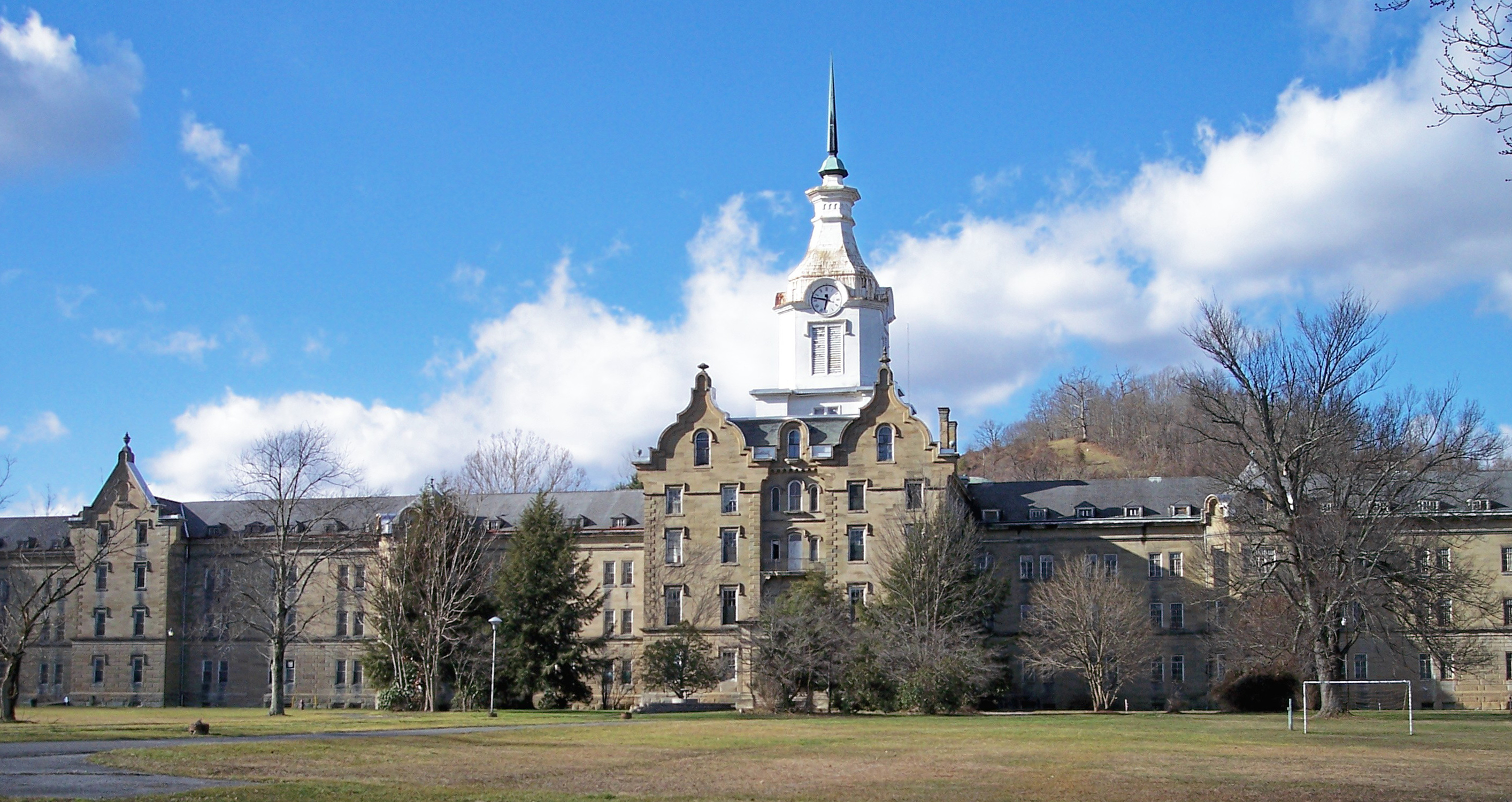
The town also holds a stranger attraction. In 1888, a local farmer named Graham Hamrick purchased two female cadavers from what is now the Trans-Allegheny Lunatic Asylum and spent years perfecting his own embalming technique. The resulting mummies toured with P.T. Barnum's circus and caught the attention of the Smithsonian Institution, which offered to display them. Hamrick refused, unwilling to reveal his methods. The mummies eventually came home and now sit inside the Barbour County Historical Society Museum, a few blocks from the bridge.
The bridge was added to the National Register of Historic Places in 1972. It carries live traffic. You can drive through it today on Route 250, the same road Union artillery rolled down in 1861.
Philippi is a town that keeps its dead close. The mummies in the museum, the ghost of the wailing woman, the phantom horses on empty roads, the legend of two presidents whispering peace terms inside a wooden tunnel, the eighteen-year-old who lost his leg before the war's first real battle had even been fought. The bridge connects both banks of the Tygart Valley River. It also connects every strange story this town has produced in 170 years.