On the Rifle Range Trail near Fort Mackinac, Michigan, hikers report a soldier who follows them, pleads his innocence, and vanishes. The lore calls him Private James Brown, hanged in 1830 for a killing he swore was an accident. Nobody knows where he actually died.
On the Rifle Range Trail near Fort Mackinac, Michigan, hikers tell of a soldier who falls in behind them on the path. He wears an old uniform, he pleads that he's innocent, and then he's gone. The story names him: Private James Brown, the only man ever hanged on Mackinac Island.
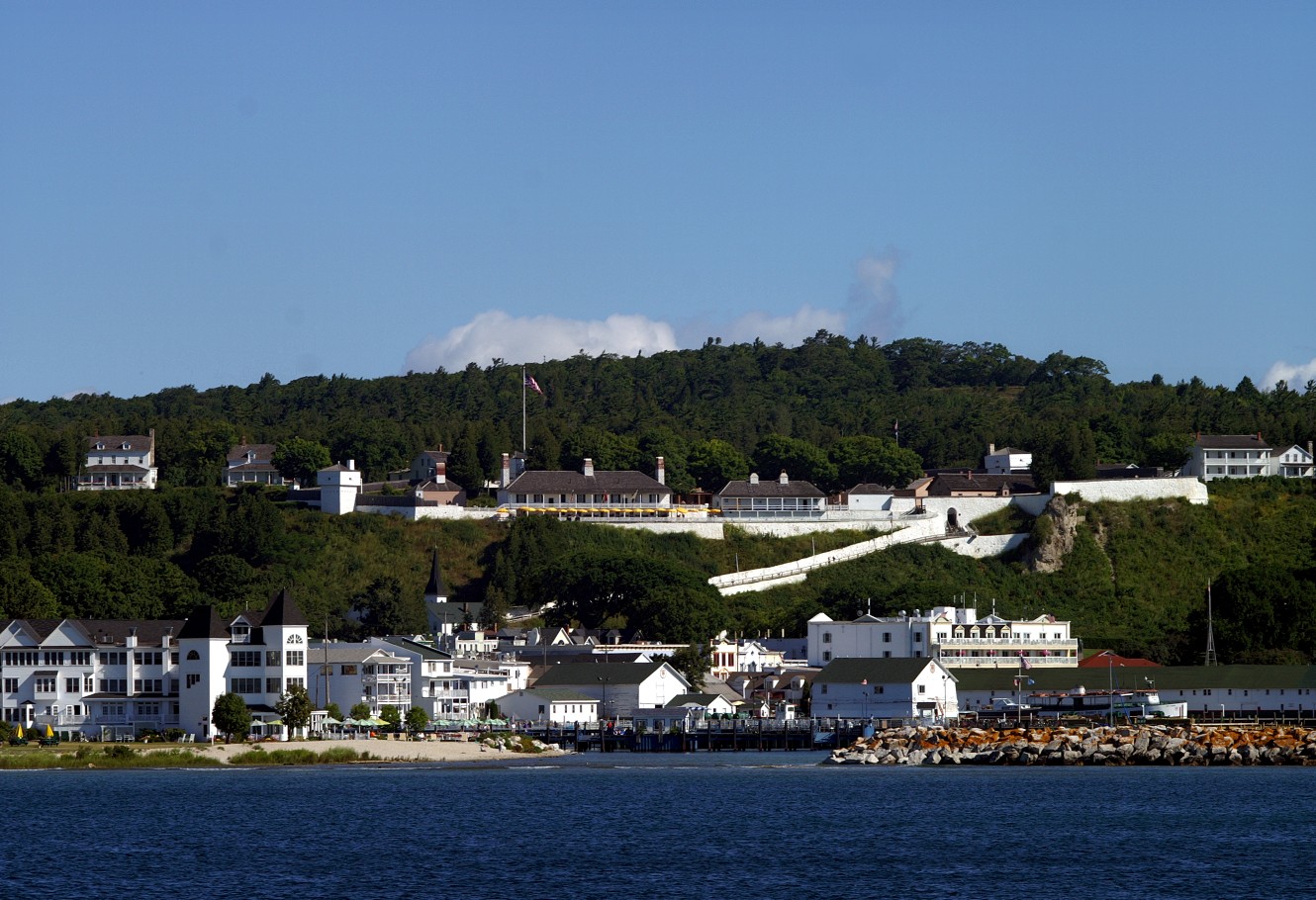
Fort Mackinac itself sits 150 feet up, on white limestone bluffs above the harbor, with the oldest building in Michigan inside its walls. The British built it in the 1780s; the Americans took it under treaty in 1796 and lost it again on the first morning of the War of 1812. Most of what happened here is battle and garrison history. The thing that draws people to the trail is older and smaller than any of it: one soldier, one bad night.
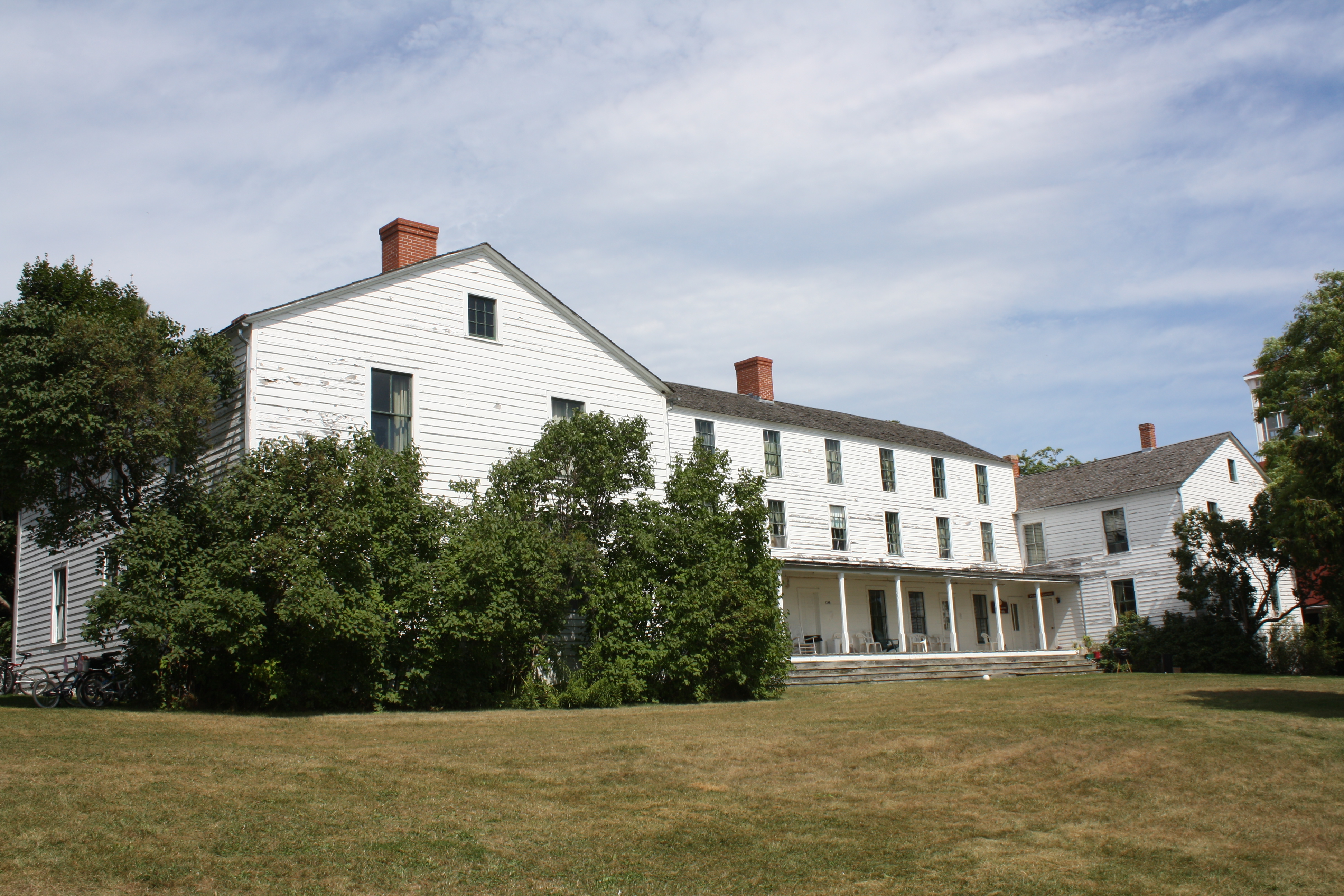
The killing was real. On December 5, 1828, in the mess room of the Soldiers' Barracks, Brown's musket fired and struck Corporal Hugh Flinn in the neck. Fifteen men were in the room. Brown said it was an accident. By the witnesses' account, the first thing out of his mouth was, "My God, what have I done?"
The law didn't take him at his word. A jury on the island convicted him in July 1829, and when that verdict was thrown out because some jurors hadn't paid their taxes, they tried him again at Green Bay and convicted him a second time. Governor Lewis Cass bought him time for a pardon. President Andrew Jackson denied it. On February 1, 1830, between 10 a.m. and 2 p.m., with Sheriff Edward Biddle presiding, James Brown was hanged.
Here's the part the ghost story skips. No one knows where the gallows stood. Mackinac State Historic Parks places the execution somewhere downtown, near the harbor, and says the exact spot was never recorded. The trail where hikers meet the pleading soldier sits well above all that, between Fort Mackinac and Fort Holmes.
So the most-told ghost on the island keeps to a patch of ground the record can't tie him to. He follows walkers up a wooded path, swearing he didn't do it, on a trail where the historian's honest answer is that they don't know he ever set foot. The island took a confessed killer two hundred years ago and lost the one fact that would put him to rest. He's still out there asking to be believed, in the one place no one can say he died.