The old asylum in Concord, New Hampshire, is full of state employees now. They come back from lunch to find files pushed onto the floor, hear footsteps in empty corridors, and watch elevators travel between floors with no one aboard.
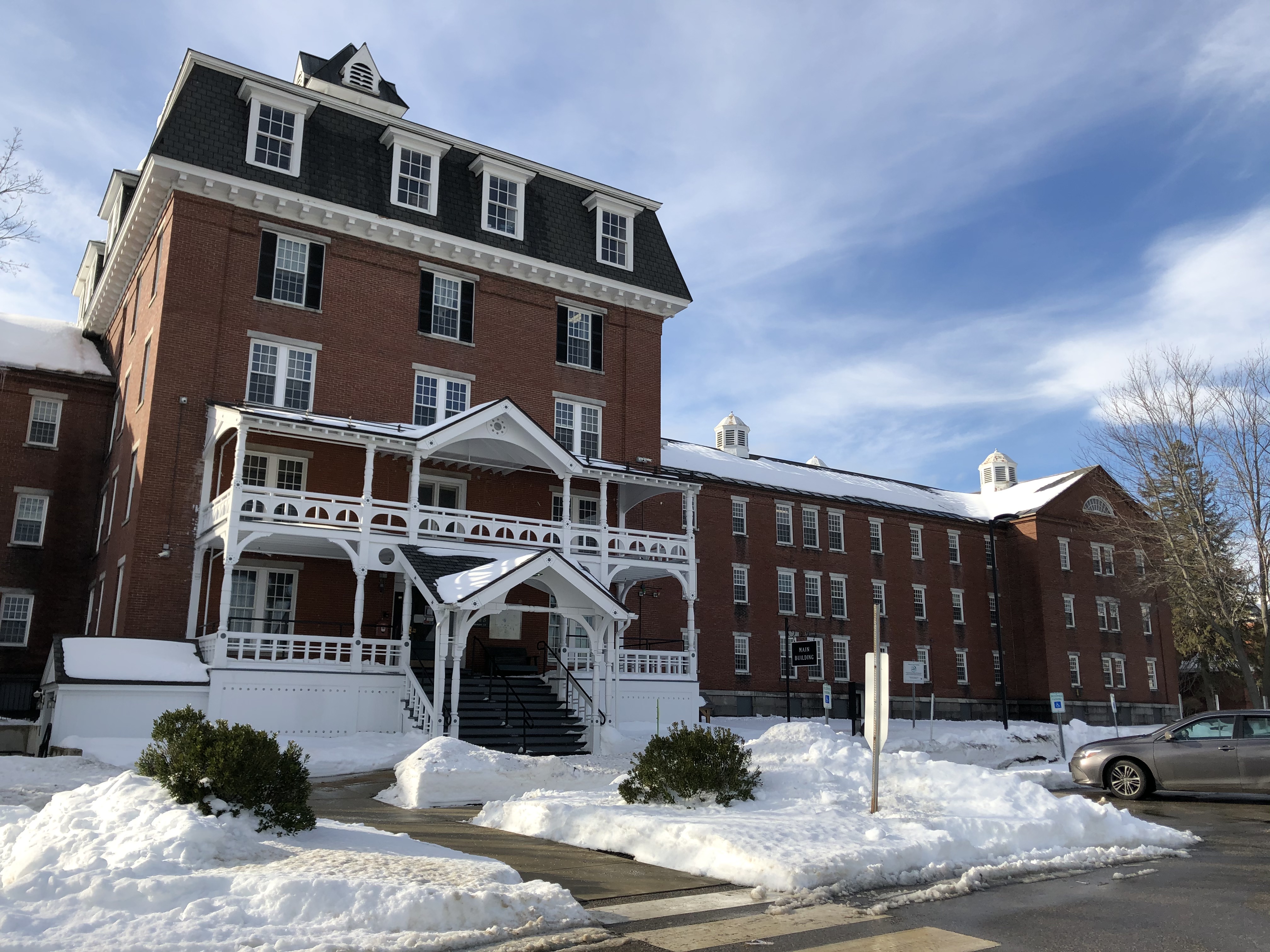
The people who report the ghosts at the New Hampshire State Hospital in Concord aren't ghost hunters. They're state employees. When the hospital closed in 1989 and its psychiatric patients moved to a modern facility on the same grounds, the old campus didn't come down. Government offices moved into the buildings instead, and the witnesses now are the bureaucrats who work there.
They come back from lunch and find files pushed off their desks onto the floor. They hear footsteps in corridors where no one is walking, and screams with no source. Elevators start on their own and travel between floors with nobody aboard. None of this is a tour. The campus is a working government complex, not a haunted attraction, and the reports surface as ordinary workplace complaints. New Hampshire Magazine catalogs the rest of them: "papers and files that have been seemingly pushed off tables, cold spots and a strong feeling of not being alone when you're certain no one else is around."
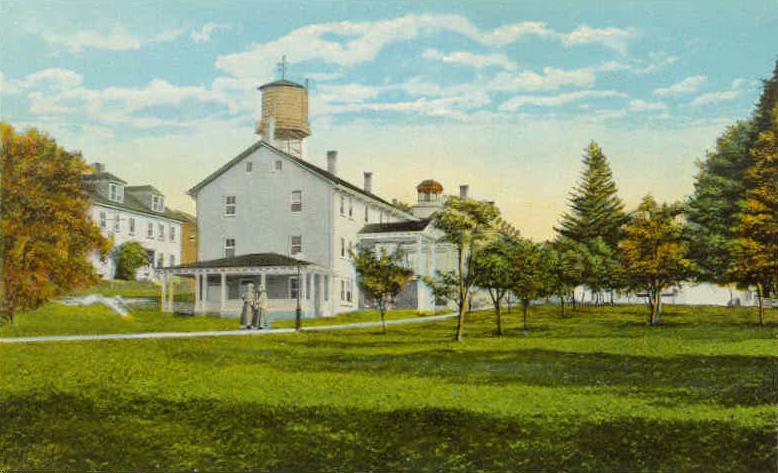
What they're working inside of opened in 1842, the seventeenth mental institution in the country and the seventh in New England. The first patient was a 35-year-old married farmer from Tuftonboro; 76 more were admitted in the first seven months. The Bancroft Building went up in 1892 to house female patients, built in a homelike European style so it would feel less like a ward. By the end, the homelike pretense was gone. An archive of the pre-1989 conditions describes barred and curtainless windows, dim lighting, and beds packed so tightly that occupants could just squeeze in between the rows. In the Walker building, one bathroom served more than 50 people.
Some of those buildings still stand empty. The Bancroft Building and the Kent and Peaslee annexes were left abandoned when the hospital closed; the rest were converted to offices, and people kept working past the boarded-up wings. Local lore blames the haunting on former patients who were neglected and abused here.
There's a heavier fact under the lore. This hospital ran the state's eugenics program. After New Hampshire made sterilization compulsory in 1929, the institution in Concord performed 155 of the state's first 310 operations through 1936, more than any other in the state. New Hampshire sterilized 679 people in all before the program finally stopped in 1959. Roughly 90 percent of them were women. The bureaucrats who file the complaints today are working inside the place that did it.