Lone Fir is Portland's oldest cemetery, and its strangest ground is the southwest corner: Block 14, where the county paved a building over hundreds of Chinese graves, recovered only some, and in 2026 stood on the spot to apologize.
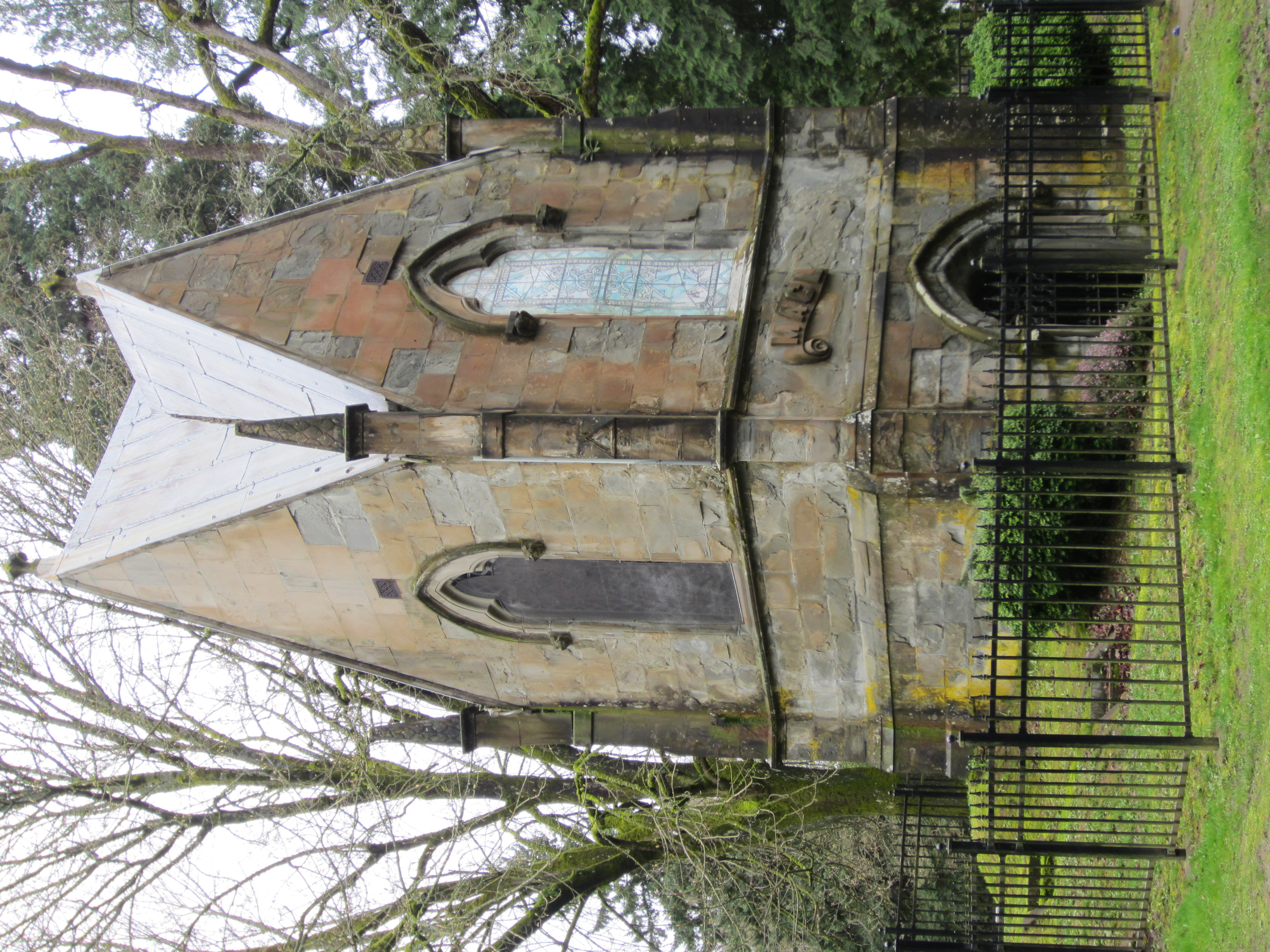
At Lone Fir Cemetery in Portland, Oregon, visitors keep reporting children's voices on the gravel paths, laughter drifting through the rows where the smallest, oldest graves sit close together. Others describe a heaviness in the cemetery's southwest corner, a sense of being watched that lifts the moment they walk back out the gate. It would be easy to wave the accounts off as an old graveyard working on the imagination. The corner itself is harder to wave off.
That corner is Block 14. Beginning around 1891 it was set aside as a Chinese burial ground, tied to the deceased Chinese workers of the City and Suburban Railway, and records say roughly 1,100 Chinese immigrants were laid there. The graves were never meant to last. By tradition the bodies would rest only until the bones could be exhumed and shipped home to their provinces in China, packed into small metal boxes for the crossing. Between 1928 and 1941, the community disinterred about 800 of them for that journey back.
In 1948 the county dug up the rest of the corner and repatriated everyone it could find: 265 people, as it turned out. The arithmetic does not close. Then, sometime by the middle of the century, the county paved Block 14 over, set a maintenance building on it, and painted a parking lot across the rest, directly above the graves it had missed.
Nobody confirmed those graves were still down there until 2004, when the county moved to sell the land to developers and three community groups stopped the sale. A study that year found that at least two of the Chinese departed had never been removed at all. It also turned up the remains of some fifty patients from the asylum that once stood next door, buried along the cemetery's eastern edge and forgotten the same way.
The maintenance building came down in 2007, and Block 14 was deeded back to the cemetery. In April 2026, the county's chair and commissioners stood on that same ground and read a formal apology for what had been done to the graves beneath it. A memorial of spirit tablets is now rising on the spot, funded with more than 4 million dollars and set to be finished around 2027.
More than 10,000 graves across Lone Fir are unmarked or unknown, their occupants lost to decades of poor record-keeping. The voices people hear on the gravel, and the weight they feel near that southwest corner, don't attach to any one name. They never could. The names were never written down.