At the Hunt-Morgan House in Lexington, Kentucky, people keep seeing a woman in a turban and red leather shoes on the third floor, leaning over the cradles of sick children. They call her Aunt Betty. A historian traced her story all the way back to who told it, and why.
At the Hunt-Morgan House in Lexington, Kentucky, the ghost they tell you about is a nursemaid in red leather shoes. She keeps to the third floor, in the old nursery and the halls around it, and she's seen most often when a child in the house is sick. People call her Aunt Betty.
The way the story goes, a nurse once dozed off at the bedside of a sick Morgan boy and woke to find a Black woman in a turban and red shoes leaning over the cradle, humming a nursery rhyme and stroking the child's forehead. When the nurse stirred, the figure was gone. The boy died by morning. Mrs. Morgan, they say, recognized the shoes. They had belonged to Aunt Betty, who had been dead for years. The family came to believe she returned this way to warn them whenever a death was coming. Others have reported her watching the street from a third-floor window.
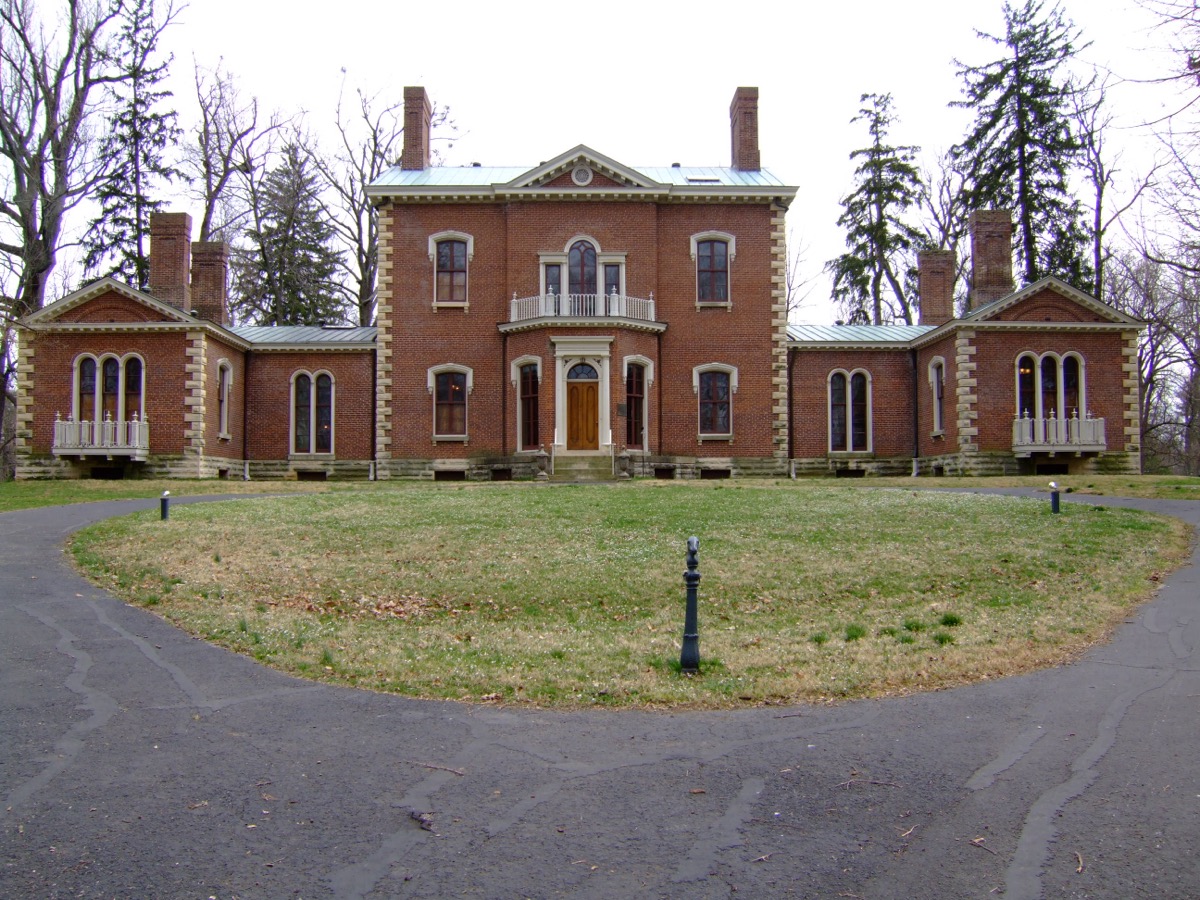
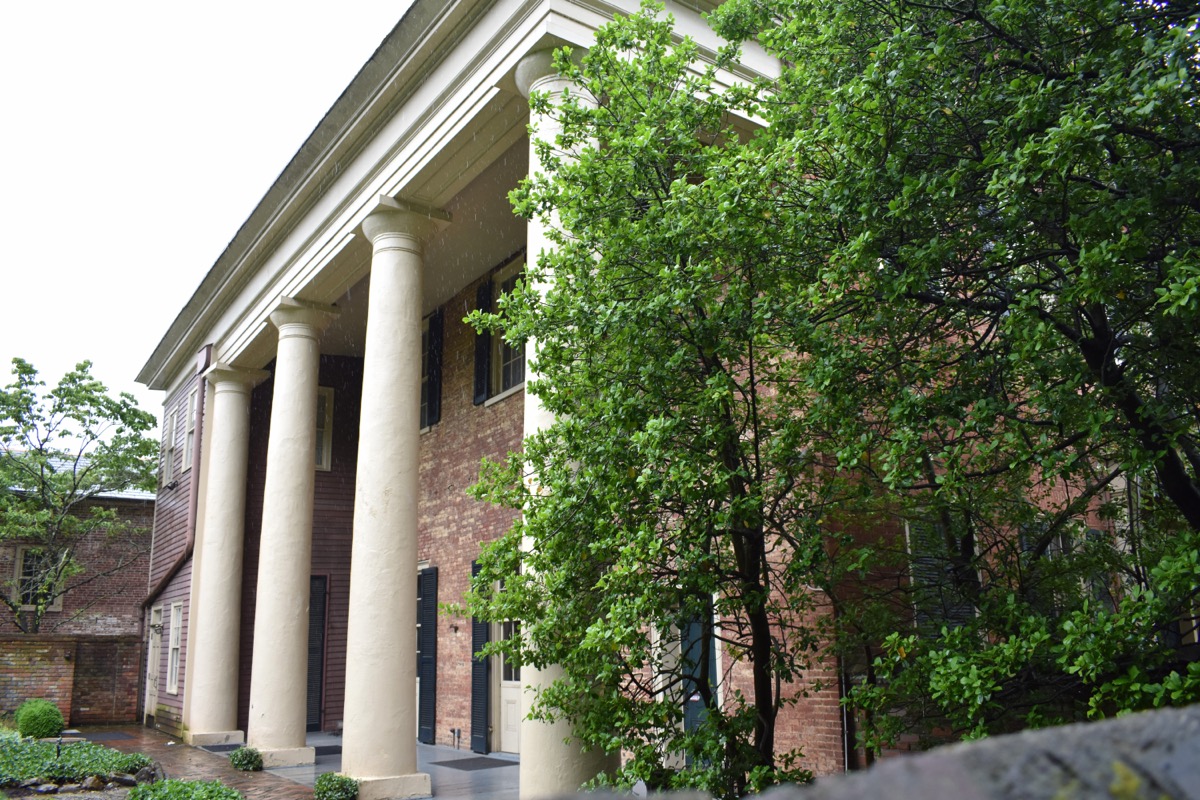
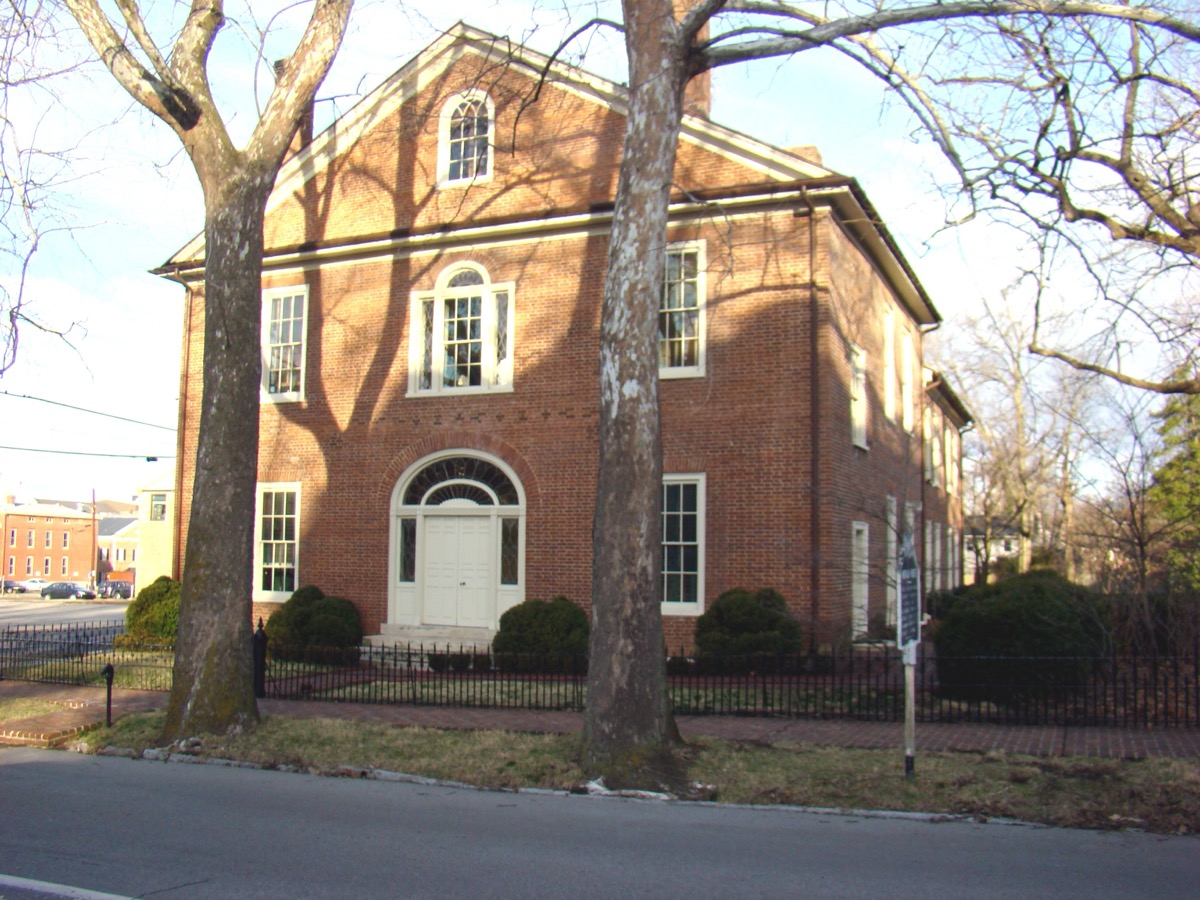
Her name was Bouviette James, and she was enslaved by the Hunt-Morgan family. She raised the Morgan children in the Federal-style house on Gratz Park, the one John Wesley Hunt built in 1814 and named Hopemont. Hunt himself is said to appear here too, but it's the nursemaid people come to hear about.
She died in 1870, decades before anyone wrote the ghost story down. Her funeral was held inside the house. And she was buried not in the segregated section of the Lexington Cemetery, where Black Kentuckians were put in 1870, but in the Hunt-Morgan family plot, among the Morgan boys she'd raised, under a stone that reads "Bouviette James COL / Ever Faithful." Her pallbearers were the Morgan brothers themselves.
Here the story turns. A historian named Jonathan Coleman went looking for where the legend came from, and found it was already being told by 1920. "The oldest ghost story I could find, it was at least being told in 1920," he said, "but it actually relates to a story from the 1860s and 1870s." The red-shoes detail traces straight to the romanticized writing of Basil Duke, the Morgan in-law who carried her coffin. "Here you have a ghost story," Coleman said, "that really plays itself into this idea of 'we were all like one big family.'"
The house is a museum now, open for guided tours. A faithful servant who comes back from the dead to watch over the children of the family that owned her is exactly the ghost a slaveholding household would want to keep. Which is, when you sit with it, the unsettling part.