In Brief
A paranormal team caught an EVP at this Greeneville cabin saying "I was alive" and "Philadelphia." The cabin is a 1999 replica.
The Full Story
A paranormal investigator at the Andrew Johnson Birthplace site in Greeneville once asked the empty room "Were you ever alive?" The recorder caught a clear answer back: "Yeah, I was alive." The follow-up question was where he was from. The voice said "Philadelphia."
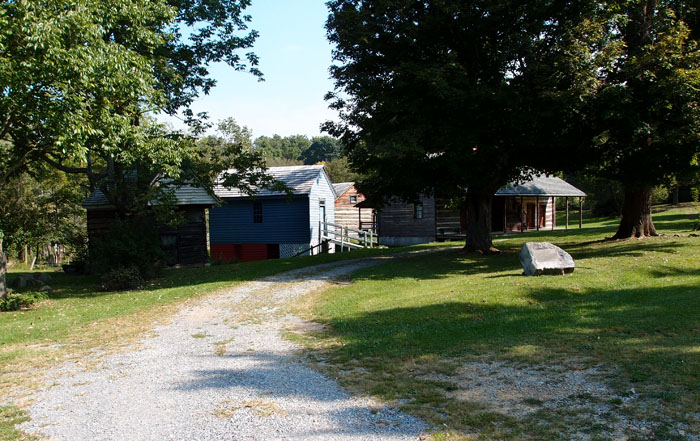
That EVP, captured by the Ghost Guild paranormal team, is the strangest thing on file at this Tennessee site, because Andrew Johnson himself was from neither Philadelphia nor Greeneville. He was born in Raleigh, North Carolina, in 1808. The small log structure tourists tour today isn't even original. It's a careful 1999 replica built next to the National Park Service visitor center, the tailor shop where Johnson actually worked, and the homes he later lived in as a Greeneville tradesman before becoming the 17th president.
Which makes the haunting reports here a little weirder, not less interesting. The figure in the cabin doesn't seem to be Andrew Johnson.
The most repeated story comes from a woman who watched a lit candle drift past a downstairs window of the cabin, held by what looked like an invisible hand. Seconds later the same candle reappeared in a second-floor window directly above the front door, traveling between floors faster than any person could climb the stairs. Staff have reported lit candles snuffing out by themselves, the way a real snuffer pinches off a flame, with nobody near them. Site workers and the occasional visitor describe the presence as gentle and male, more shy than menacing.
Theories about who he is range from a 19th-century renter who lived in one of the period buildings on the grounds to a transient who used a structure for shelter. The "Philadelphia" answer doesn't line up with any documented Johnson-era resident, which is why the Ghost Guild team flagged it as unidentified rather than putting a name on it.
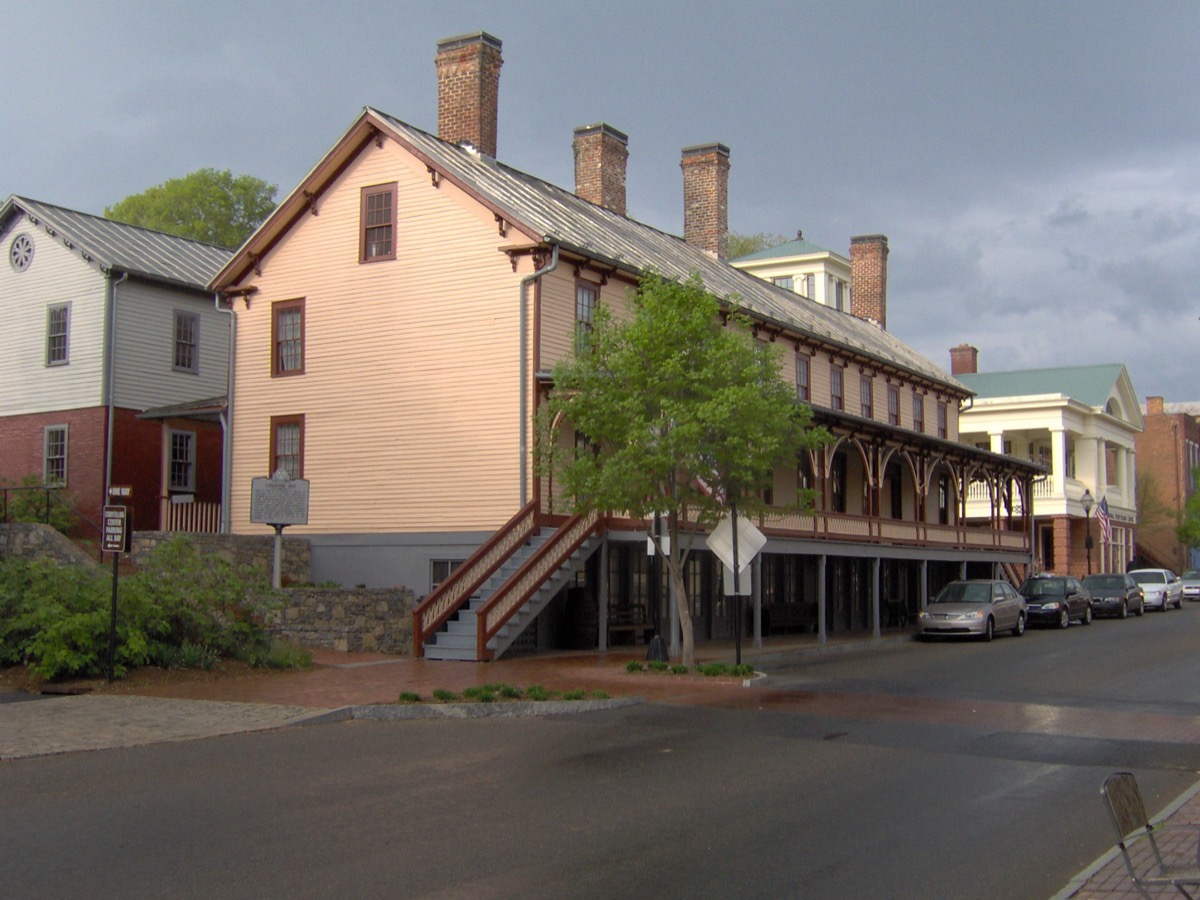
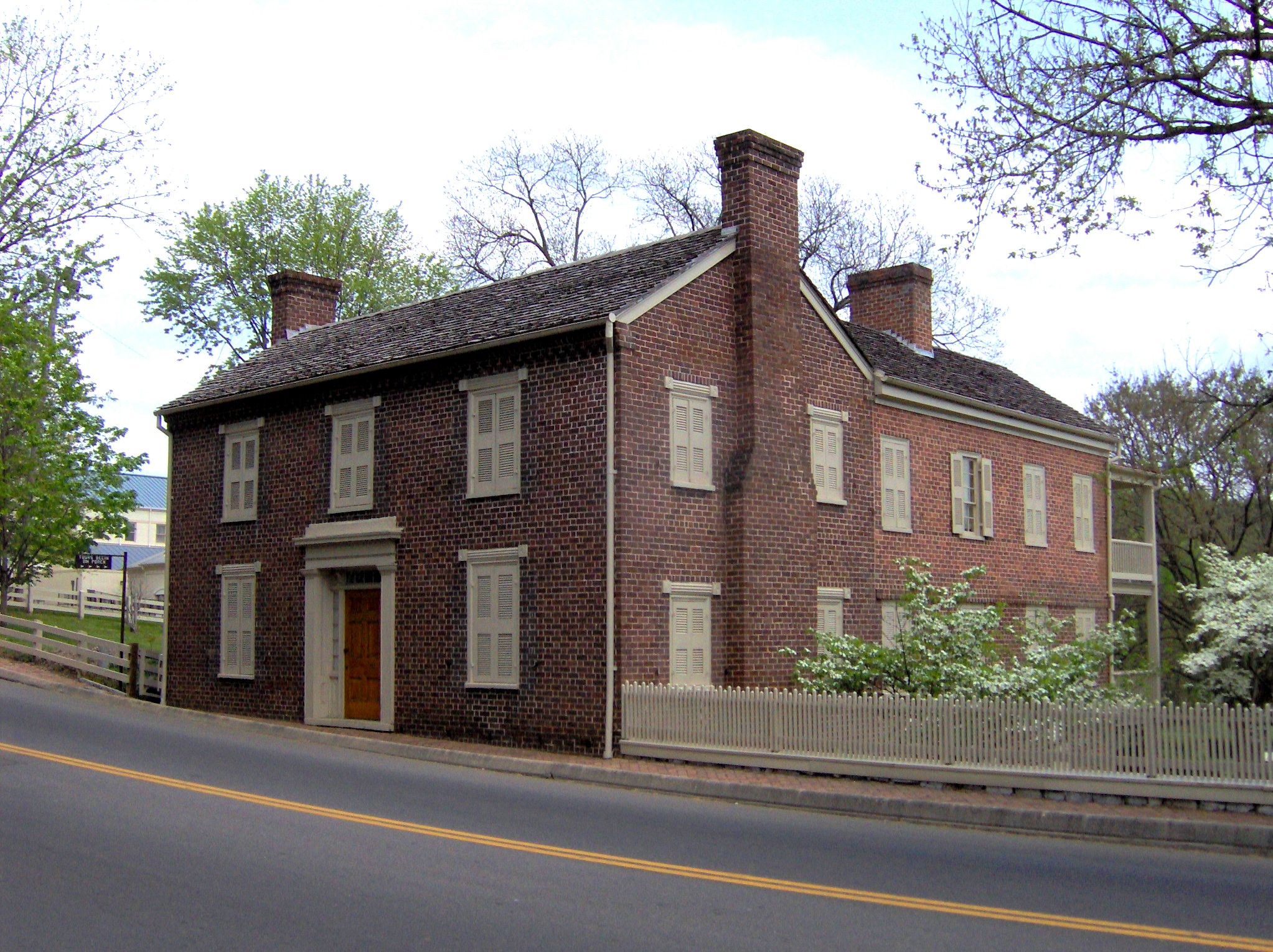
The Greeneville complex itself is thick with real Johnson history, and the ghost story is a small footnote to it. Johnson opened his tailor shop on what's now Depot Street in 1827. He bought his first home from Mordecai Lincoln, a second cousin to Abraham Lincoln who also officiated Johnson's marriage to Eliza McCardle. The original tailor shop is preserved inside the Memorial Building visitor center, encased to protect its 1830s log walls. Confederate soldiers carved graffiti into the walls of his second Greeneville home during the Civil War, and that graffiti is still legible.
The replica cabin where the candle phenomena happen sits a short walk from all of this. Its log walls and period furnishings come from research, not the original structure, since the actual Raleigh birthplace was preserved at Mordecai Historic Park in North Carolina decades earlier. The Greeneville replica went up in 1999 specifically so visitors didn't have to drive to two states to see the full Johnson story.
If you're hunting for a high-drama presidential haunting, this isn't it. There's no vengeful Johnson pacing the floors, no murdered family member in the attic, no documented tragedy tied to the buildings. The activity that gets reported is small and repetitive: a candle that moves, a candle that goes out, a male voice that answers a question once and won't identify himself. The Ghost Guild's recordings are the closest thing to evidence on the property, and even those don't explain who's actually answering.
Appalachian GhostWalks runs night tours through downtown Greeneville that include the Johnson sites, and tour guides will tell you the cabin is the most active stop on the route. They'll also tell you the spirit is polite. Nobody who works there describes feeling threatened. The candle goes out, somebody asks a question, and the recorder picks up an answer about a city seven hundred miles away.
For a presidential historic site, that's a strange small-scale ghost story. It's also one of the few in Tennessee where the entity on tape isn't trying to scare anyone. He just keeps showing up, lighting and snuffing the same candle, and saying he was once alive.