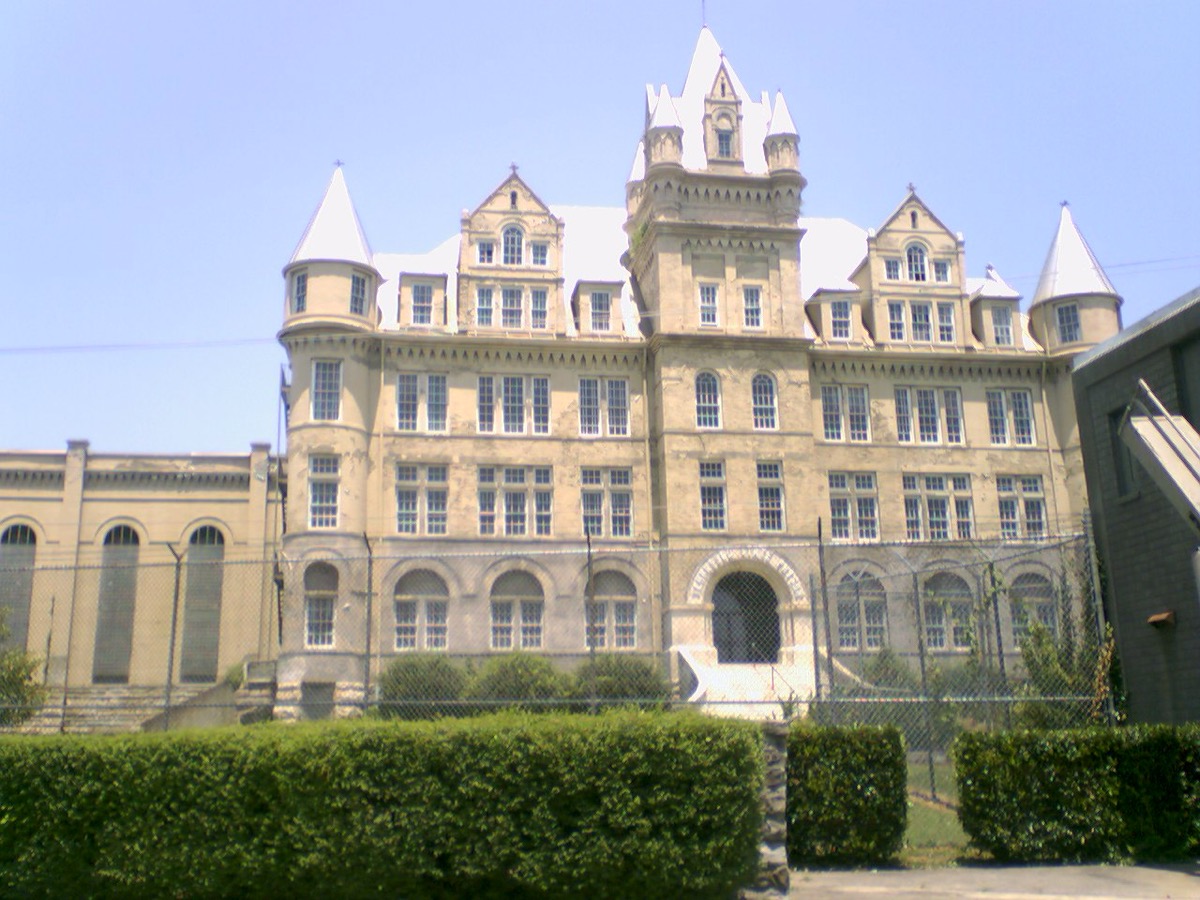
The most-reported ghost at the abandoned Tennessee State Prison in Nashville is not one of the inmates it caged for a century. It is a warden, seen pacing his old office and the grounds, as though he is still in charge of a fortress with no prisoners left to guard.
Of all the ghosts trespassers and ghost-tour guides report inside the old Tennessee State Prison, the one they name most is the keeper, not the kept. A warden, they say, pacing his old office and walking the grounds six miles west of downtown Nashville as though he were still running a fortress that emptied out decades ago. Nobody attaches a name to him. He is a figure in charge of a prison with no prisoners left to watch.
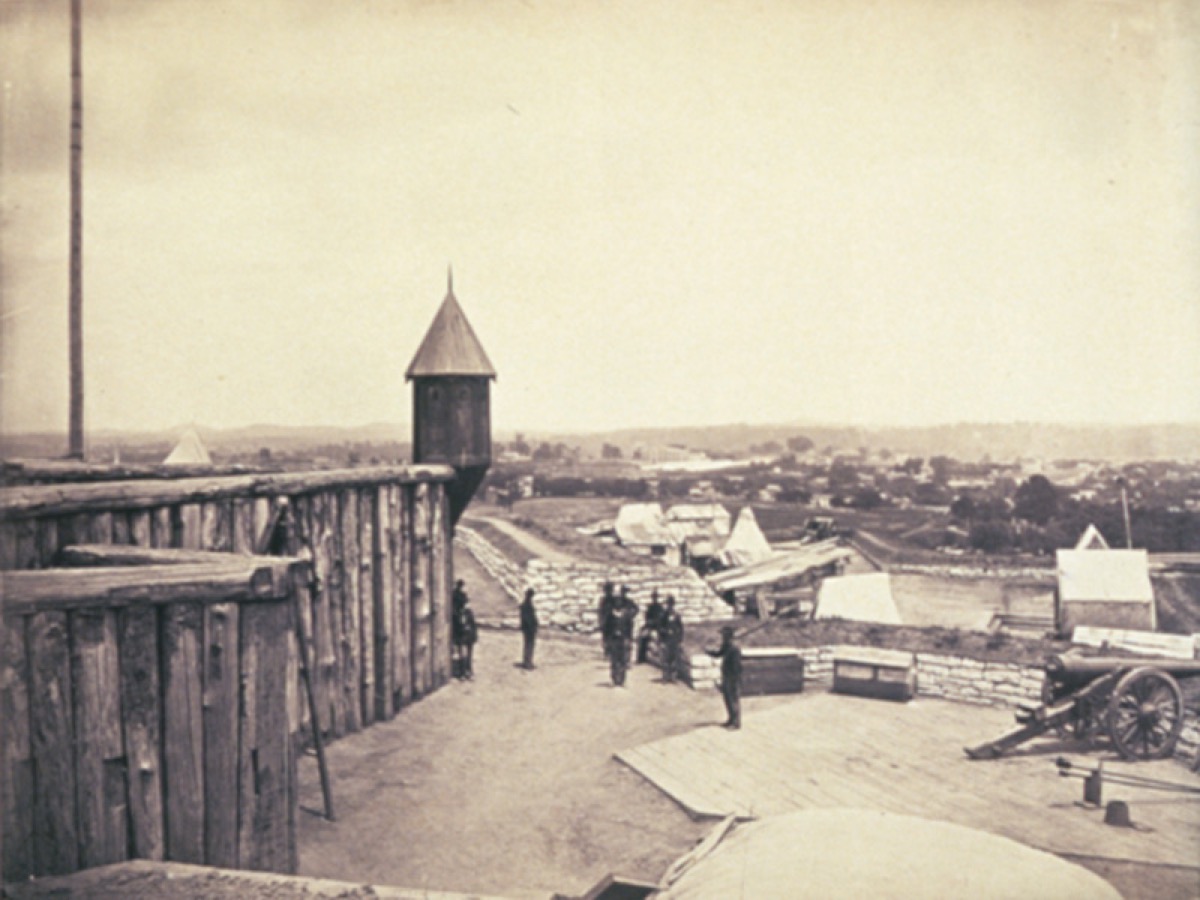
The place was built to look the part. It opened on February 12, 1898 as a Gothic castle behind rock walls 20 feet high and 3 feet thick, with turrets, steep dormers, and the words TENN STATE PRISON carved over an arched central gate. It held 800 single cells. On its first day it admitted 1,403 men. It was overcrowded before its first night, and it stayed that way for the better part of a century.
Down near the administration building sat the electric chair. Between 1916 and 1960 it executed 125 men — the first was Julius Morgan, in July 1916; the last was William Tines, in November 1960. The chair itself outlived the building. It sits behind glass now in a crime museum over in Pigeon Forge, a few hours east.
By the end, a federal court had seen enough. In Grubbs v. Bradley, judges called the conditions "unconscionably overcrowded," with men double-celled in cages that averaged about 23 square feet each, and ruled the prison unfit to house human beings. It closed in June 1992, its population moved to a newer maximum-security institution across the river, and a 1993 order barred the state from ever holding anyone there again.
So the castle sits gutted, its roofs peeled open by a 2020 tornado. Hollywood keeps renting it; The Green Mile and The Last Castle both filmed inside the walls. And the people who slip past the fences come back with the same short list: screams down empty corridors, footsteps on locked floors, metal doors clanging shut with no hand on them. In the block where James Earl Ray was once held, they describe the cold coming on fast and the doors slamming. Near the old solitary wing, chains.
The warden is the one who sticks with people, though, because he is the one who does not fit. Every other figure reported here was an inmate — a man locked in, counting toward a release that 125 of them never reached. The warden carried the keys. Of everyone who ever passed through that gate, he is the single man who could have walked out the front any time he pleased. He is the one they say never walked out.