TLDR
Henry Cole turned down $50,000 from the Confederacy for this land in 1866, then offered it free on the condition that Union and Confederate dead be buried side by side. Both sides refused. Today the granite arch at the gate reads: "Here rest the remains of 10,312 Officers and Soldiers who died in defense of the Union 1861-1865." Marietta ghost tours tell the story of one Union soldier, name and regiment unknown, who they say refuses to go quietly into the night.
The Full Story
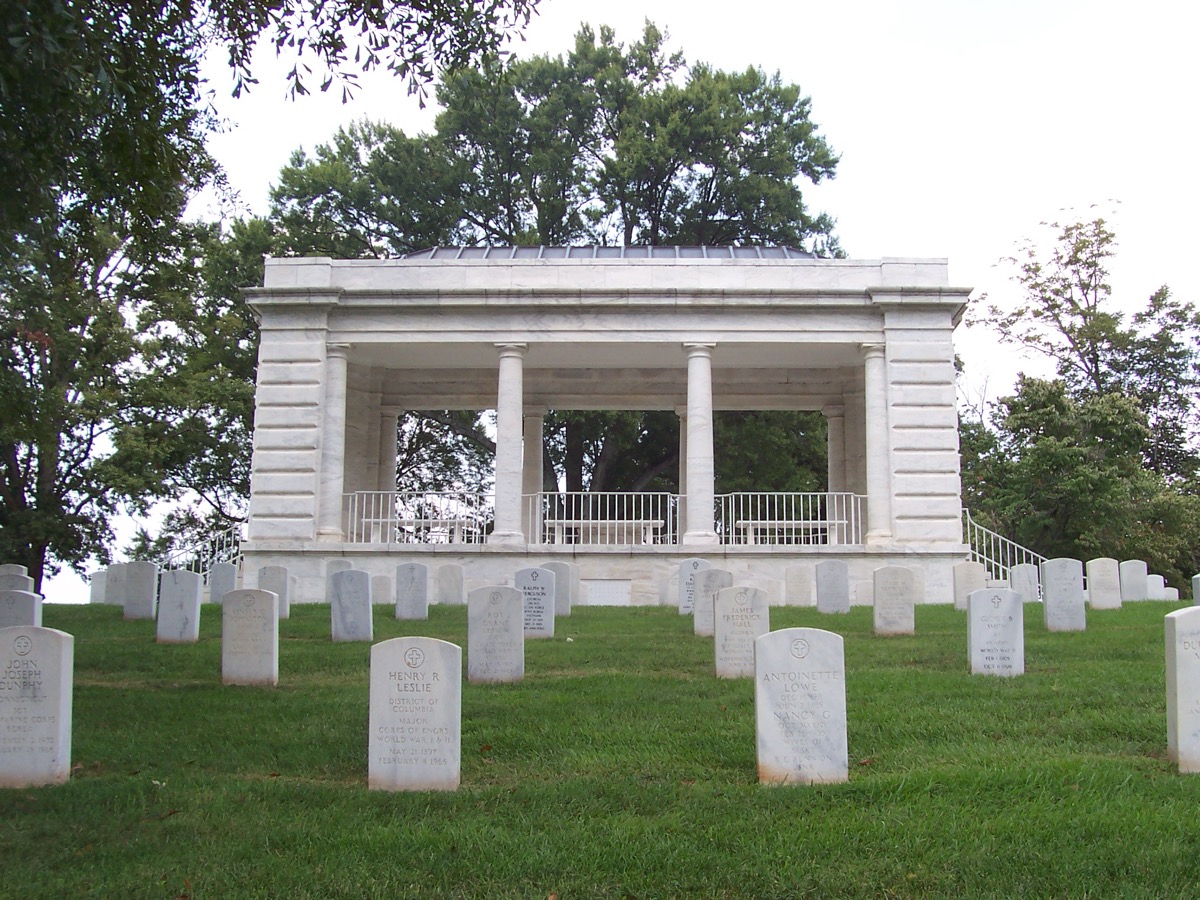
Henry Greene Cole turned down $50,000 from the Confederate States of America for the 23 acres of Marietta hillside that would become Marietta National Cemetery. Then he offered the land for free, on one condition: bury Union and Confederate dead side by side. Both sides refused. The Union took the land. The Confederates buried their own a few blocks east, at what is now Marietta Confederate Cemetery. Cole said he had always "expected to put it to a better purpose." He died in April 1875 and is buried in the Cole Plot inside the cemetery he helped create.
Union Army Chaplain Thomas B. Van Horne designed the layout in 1866. He ignored the standard military grid and followed the topography instead, laying out curving paths that trace the hillside. It's the kind of thing you notice once someone points it out. Most national cemeteries look like spreadsheets. This one looks like a garden.
The granite memorial arch at the gate carries the count: "Here rest the remains of 10,312 Officers and Soldiers who died in defense of the Union 1861-1865." Roughly 3,000 of those soldiers are unknown. They came from the Atlanta Campaign, the mass reinterments Sherman's army required when bodies had to be pulled from scattered battlefield graves and brought somewhere permanent.
In Section F you'll find Emma Stephenson, a Black nurse who had been enslaved in Kentucky before the war. She volunteered with the U.S. 17th Army Corps during the Battle of Kennesaw Mountain in 1864 and died of camp illness that July. Her marker is easy to walk past.
The ghost story is thinner than the history, and the best rewrite is an honest one. Tours of Marietta and the Scary-etta Haunted Trolley both stop at the cemetery and tell, in their own words, "the story of one Union Soldier who refuses to go quietly into the night." Neither tour names him, gives a regiment, or describes what he does. The line is the whole legend. With 3,000 unknown dead inside the fence, there's no shortage of candidates.
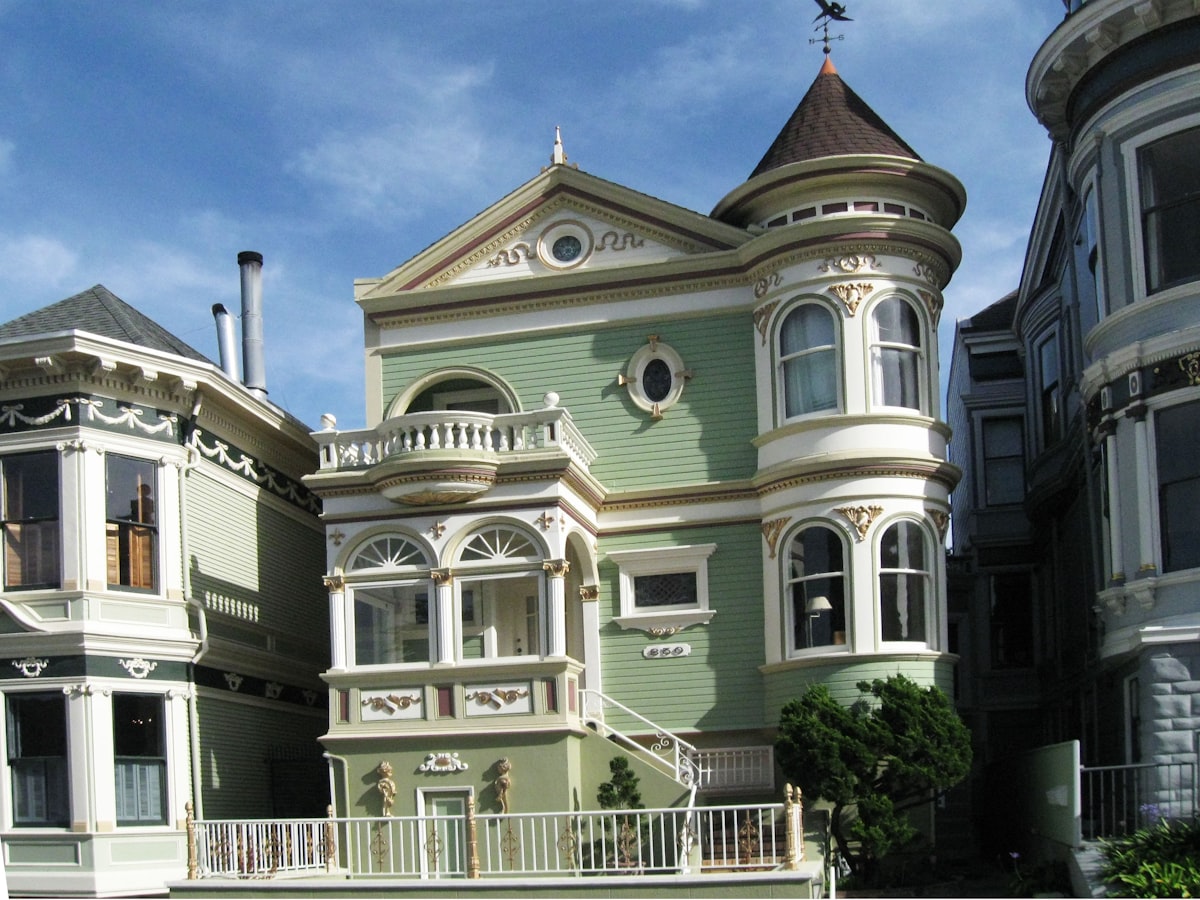
Across the street, the Henry Greene Cole House has its own reports, a woman glimpsed in an upper window, lights cycling on and off, cold drafts in rooms that shouldn't have them. The cemetery itself carries no reports of Cole's ghost, just the house he left behind.
A few blocks away, St. James Episcopal Cemetery and the Confederate Cemetery have their own legends, Mary Meinert's weeping statue and the orb photographs that get passed around every October. Those don't belong here. The National Cemetery's weight is the 10,000 and the 3,000 and the reconciliation Cole tried to broker and never got.
Researched from 9 verified sources. How we research.