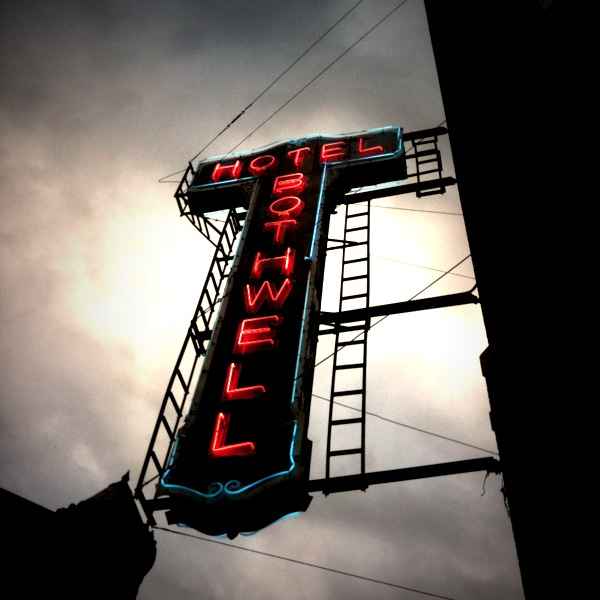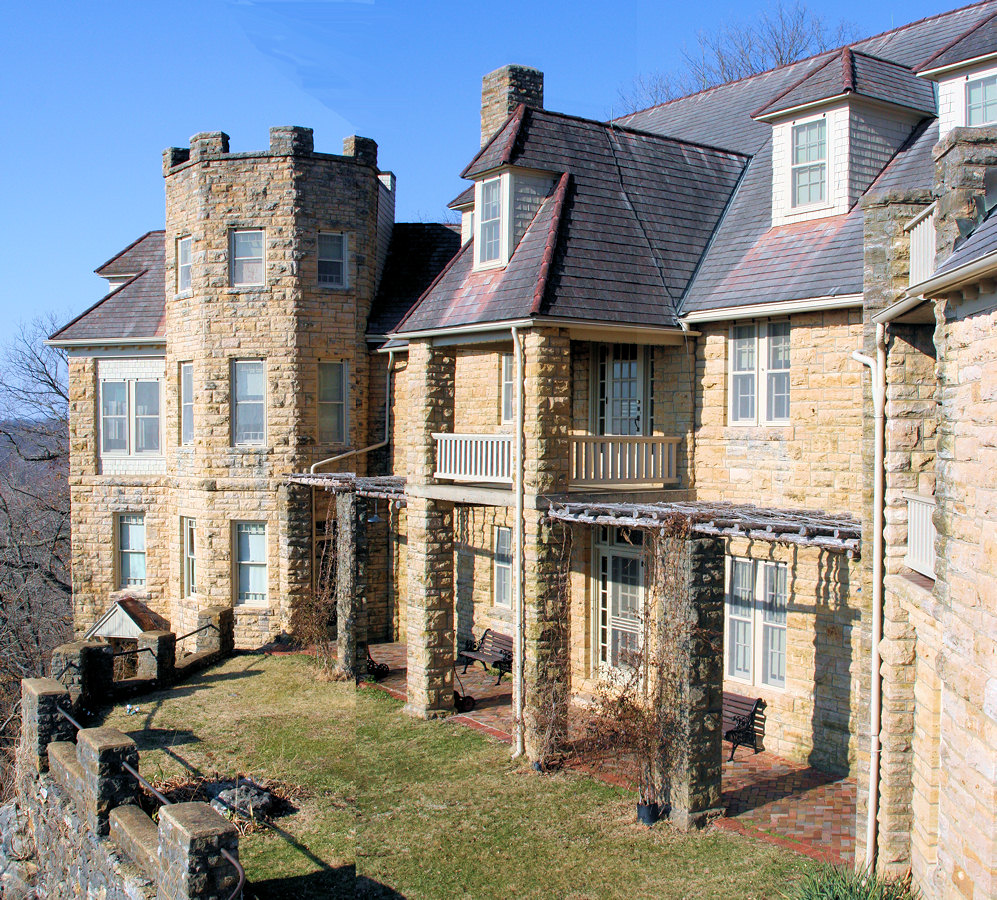
Tour guides at Bothwell Lodge near Sedalia, Missouri have learned to tell living visitors from the others. When a guest points out someone in early-1900s clothing near the staircases, the guide quietly confirms it isn't anyone who works there.
The guides at Bothwell Lodge, the stone mansion on a bluff north of Sedalia, Missouri, have a quiet thing they do on the tour. Now and then a guest will point to the base of a staircase and ask about the person standing there, the one in old-fashioned clothes. The guide looks, and then explains, gently, that he doesn't work there. He isn't a reenactor. He isn't part of the tour.
"The people that are seen are ghosts," one guide put it. "They aren't people working there, and it's not part of the tour." The figures wear clothing that would have been in style in the early 20th century. They turn up near the stairs, and they keep turning up, and the staff know about it and don't advertise it.
The man who built the place gave it nearly his whole later life. John Homer Bothwell was a Sedalia lawyer and four-term state legislator, the man whose influence helped land the Missouri State Fair in Sedalia for good. He bought the bluff in 1896 and started laying stone the next year. He quarried the limestone out of his own land and built the house in sections, one rambling addition after another, for 31 years, until it reached about 30 rooms across three levels.
He even ran a cave beneath the floor into a homemade cooling system: a shaft under the library, hidden beneath a wooden box, dropping straight into the rock. Open the doors and windows in the tower's winding stairwell, and the draft pulled cool underground air up through the house. An air conditioner built from the bluff the lodge sits on.
He finished it in 1928. He died in 1929.
Thirty-one years building the house. About one year living in the finished thing.
He had been a widower most of his adult life by then. His wife Hattie died in 1887, a little over a year after their only child was stillborn, and he never remarried. When he died he left the lodge to a circle of friends and relatives he called the Bothwell Lodge Club, who kept it for decades before handing it to Missouri.
Most of the furniture in the rooms is still his. No name has ever been attached to the figures on the stairs, no death, no story that explains them. There is only the house a man spent three decades making and barely lived in, and the people in old clothes who keep being pointed out beside its staircases.