At Bonaventure Cemetery in Savannah, Georgia, a marble statue of a six-year-old girl sits over her own grave, carved from a photograph. Visitors leave toys at her feet, and the story goes that taking one makes the statue weep tears of blood.
At Bonaventure Cemetery in Savannah, Georgia, there's a grave that people leave toys on. It belongs to a little girl named Gracie Watson, and a life-size marble statue of her sits over it — a child of about six, seated, her ankles crossed, one hand resting on a section of tree trunk wound with ivy.
She's the rare cemetery ghost people describe as happy.
Gracie was born in 1882 and died in April 1889, days after Easter, of "blood poisoning superinduced by a severe attack of pneumonia." She was six. Her father, W. J. Watson, ran the Pulaski House hotel on Johnson Square downtown, and after she died he commissioned a local sculptor, John Walz, to carve her likeness from a photograph. Walz finished the statue in 1890. It's said to be one of the only funerary monuments in Georgia carved in someone's exact likeness — so faithful you can pick out the details of her face.
People bring her things. Toys, coins, trinkets, left at the foot of the statue. And the legend tour guides tell is this: take one of the offerings away, and Gracie's statue weeps tears of blood. There's a quieter version too — a girl in a white dress, seen near downtown where the old hotel stood, who vanishes when anyone comes close. They say she isn't warning anyone. They say she's playing.
None of it is documented as fact. No investigation, no recorded event — just the story, repeated, the way stories settle on a grave that draws this many visitors. People reached for the marble so often that a wrought-iron fence eventually went up around it, after the statue's nose was damaged and repaired.
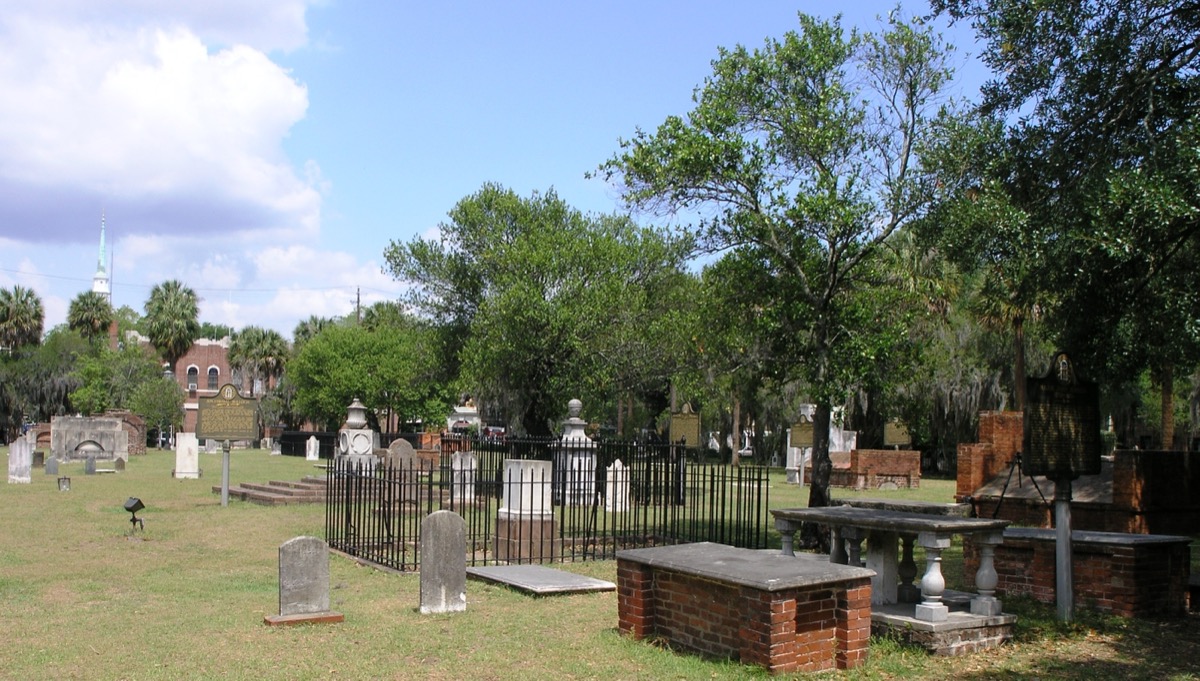
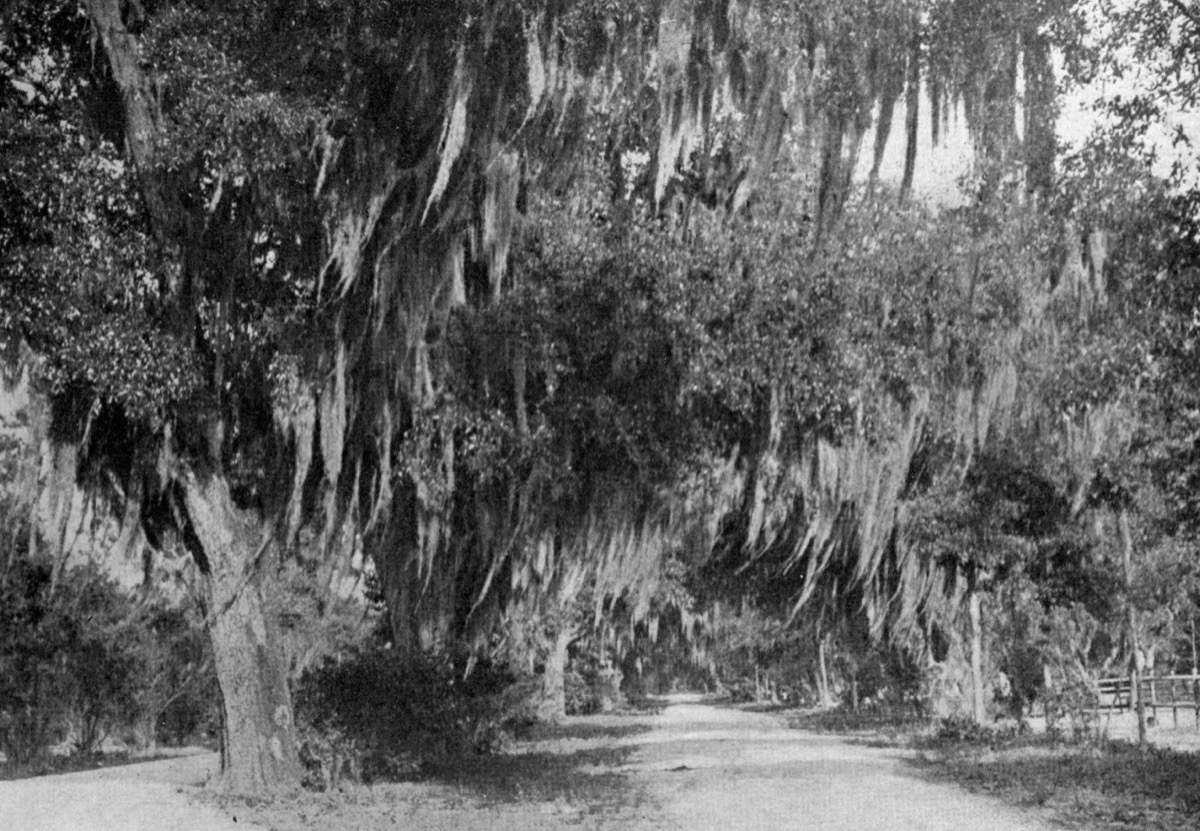
Bonaventure was a 600-acre plantation before it was a cemetery, founded in 1762 on a bluff over the Wilmington River. The name means "good fortune." The city bought the grounds in 1907. It holds songwriter Johnny Mercer and poet Conrad Aiken now, and a steady stream of visitors — most of them looking for the same small grave, where a child sits in marble, waiting to be brought a toy.