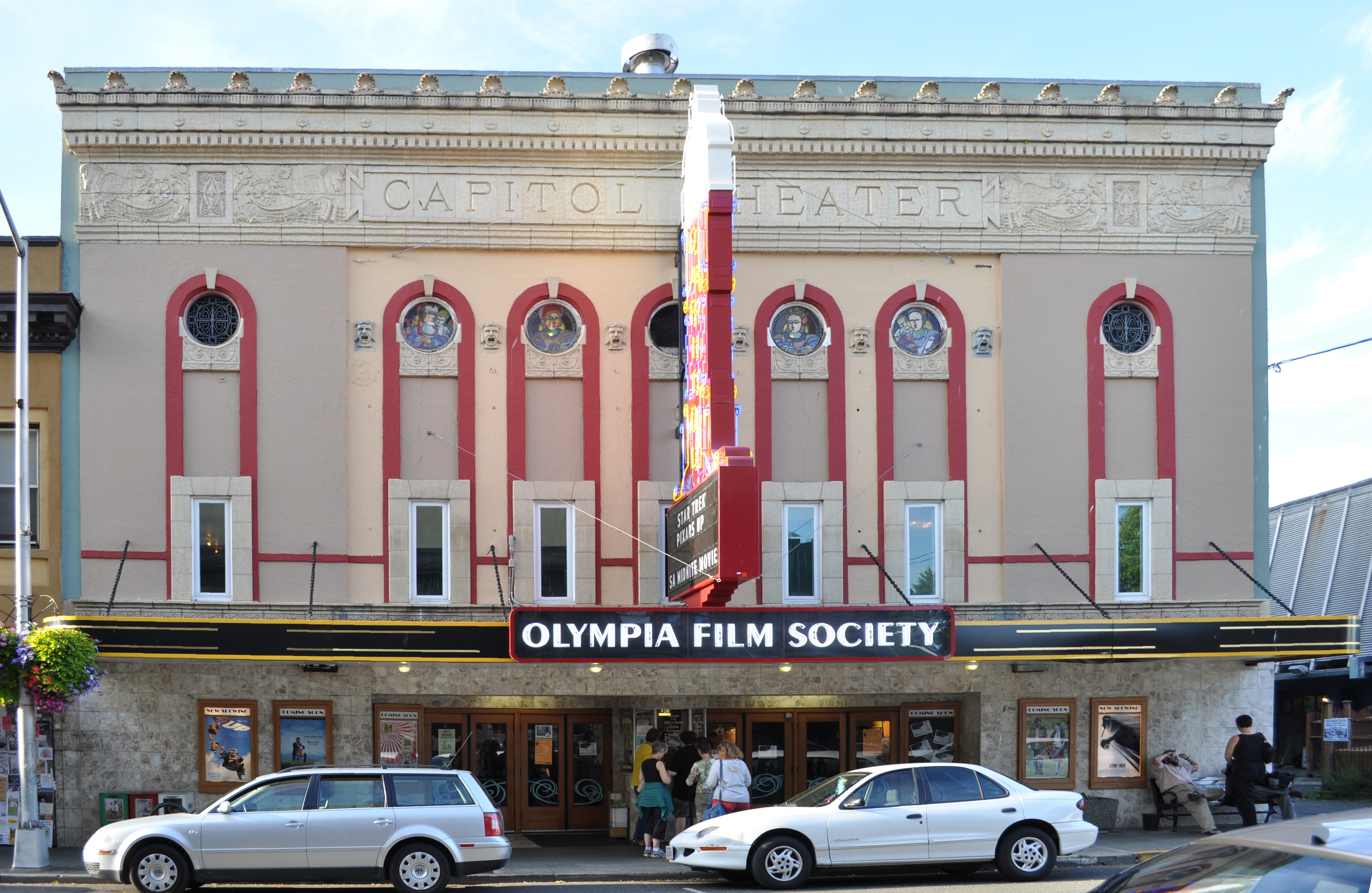
In November 2010 a paranormal team sat in the green room of Olympia's 1924 Capitol Theater and narrowed a presence down to an eight-year-old boy, with the theater's own manager standing there. Nobody knows who he is, and no death is on record in the building.
The Capitol Theater in Olympia, Washington has a ghost that investigators say told them how old it was. In November 2010 a group called the PIHA Grey Team set up in the theater's green room with a K2 meter and worked through yes-or-no questions. "Were you a little boy that just ran in front of me," one of them asked. Then they narrowed it: older than 5, younger than 10, and finally, "you are a boy that is eight years old."
They had opened the night in that same green room, hearing tapping from the room next door and a single "tink" they ruled out as rain on the window. Later they asked the presence to dance so they could hear footsteps on the stage, and reported the meter's lights climbing into orange and red on request. The theater's own manager, Audrey Henley, was there for all of it, along with two employees named Christine and Cindy. PIHA published the tape with a flat conclusion: "PIHA has determined that the Capitol Theater in Olympia is haunted."
Nobody can say who the boy is supposed to be. No account names him, gives him a period, or ties him to a child who died in the building. No death is on record there at all.
The older ghost is easier to describe and just as hard to pin down. Round-ups of Washington hauntings call him a former employee, with apparitions, footsteps echoing in empty corridors, a presence backstage and shadows near the balconies. One paranormal blog goes further and calls him Frank Miller, a projectionist who worked here in the 1950s, then concedes in the same article that "there is no proof available that the spirit really is Frank Miller." That blog is also where the veiled Lady in White comes from, sitting in the aisles as though watching a show, and where the shadowy figure and the flickering lights in the projection booth are reported.
That booth burned once. The theater opened on 7 October 1924, a picture palace built for orchestras and pipe organs, commissioned as a "monument to amusement lovers in Olympia." It was built to seat 762, and more than a thousand people turned up on the first night. On Saturday, 24 April 1937, the alarm went in at 9:28 a.m. A single reel of nitrate film, delivered the evening before and left sitting in the janitor's closet off the mezzanine, had caught fire on its own. It took the balcony, the mezzanine and the projection booth. The theater reopened that August with a new sound system and headphones for the hard of hearing.
It has barely stopped running since. Then in 2001 the Nisqually earthquake cracked the auditorium ceiling and brought part of it down, and locals decided the shaking had stirred up more than dust. Nine years later, three people who worked there stood in the green room while strangers asked the dark how old it was, and something answered eight.