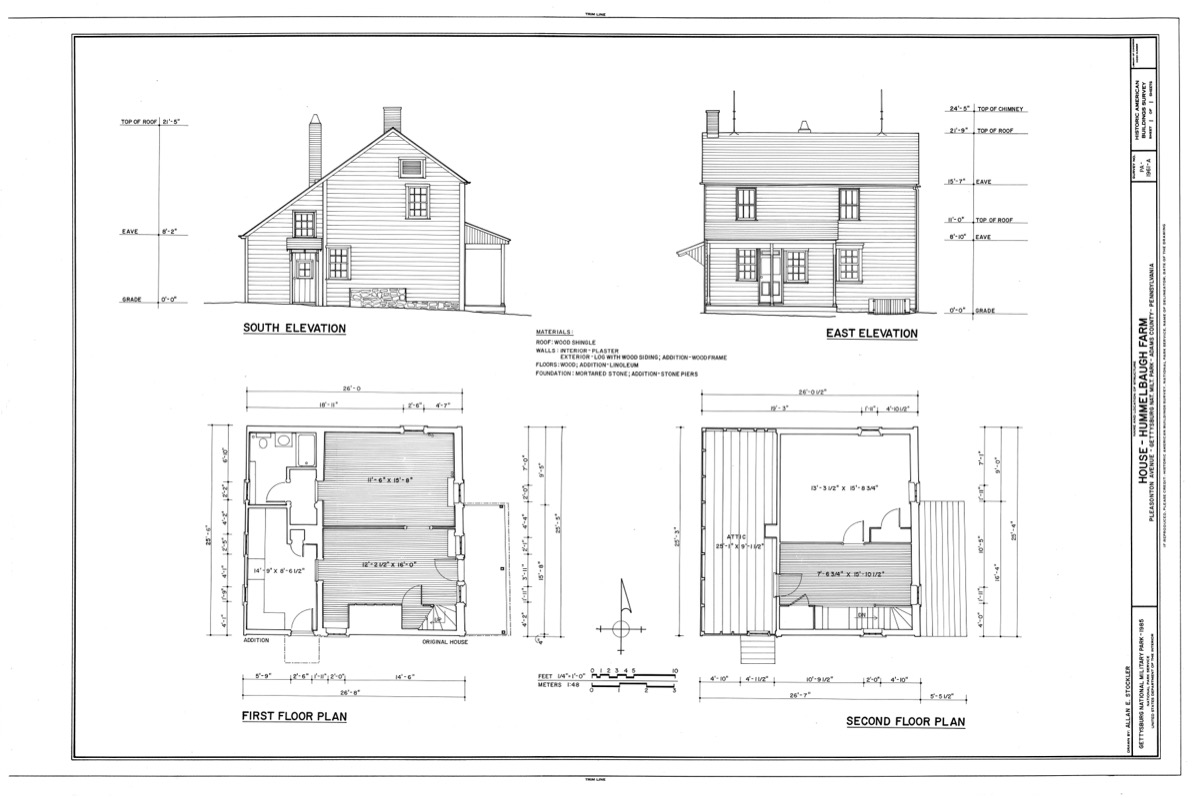
On the night of July 2, the legend goes, a howl rises behind the Hummelbaugh House at Gettysburg, from the yard where a Confederate general was buried in 1863. It's said to be his hunting dog, grieving at a grave that's been empty for over a century.
Behind the Hummelbaugh House at Gettysburg, on the night of July 2, a dog is said to howl. There's no dog. The story goes that it's the hound of a Confederate general buried in that yard in 1863, still grieving over a grave that has been empty for more than a century.
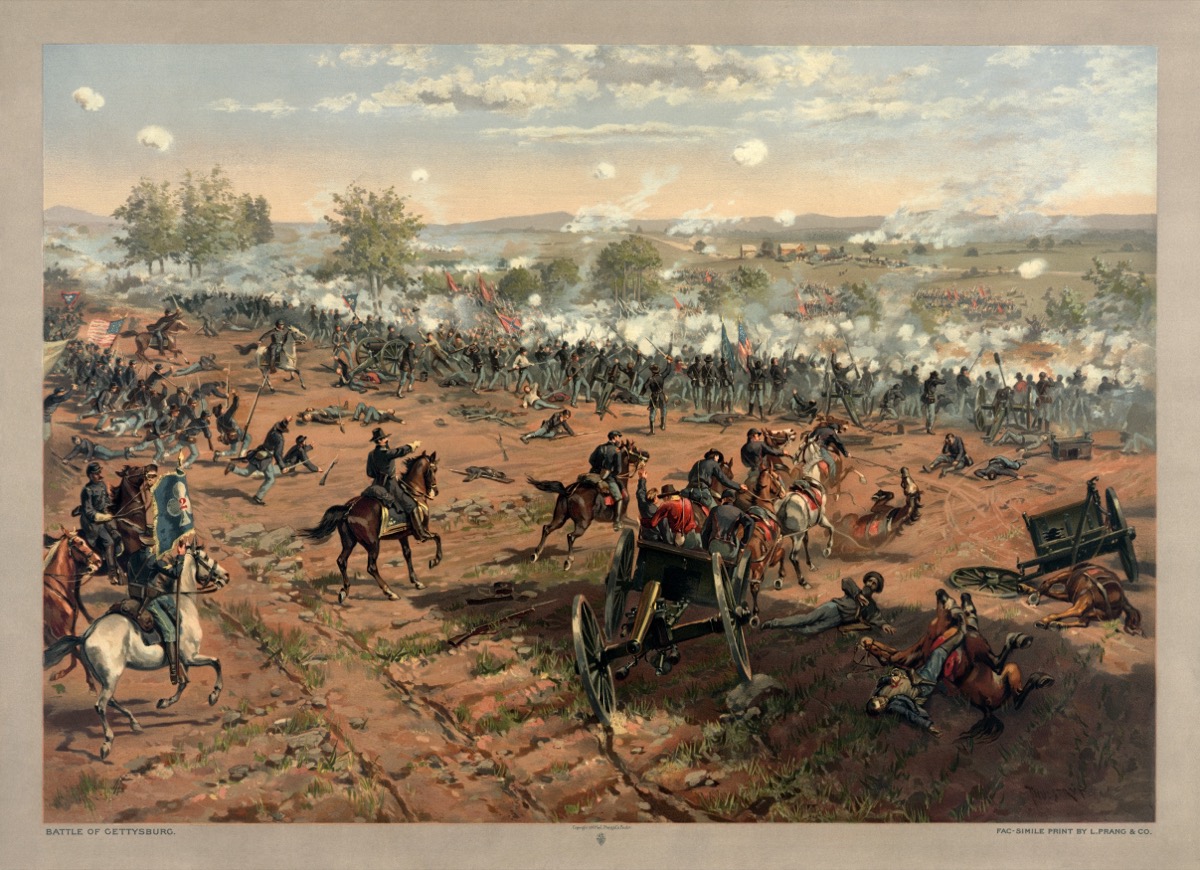
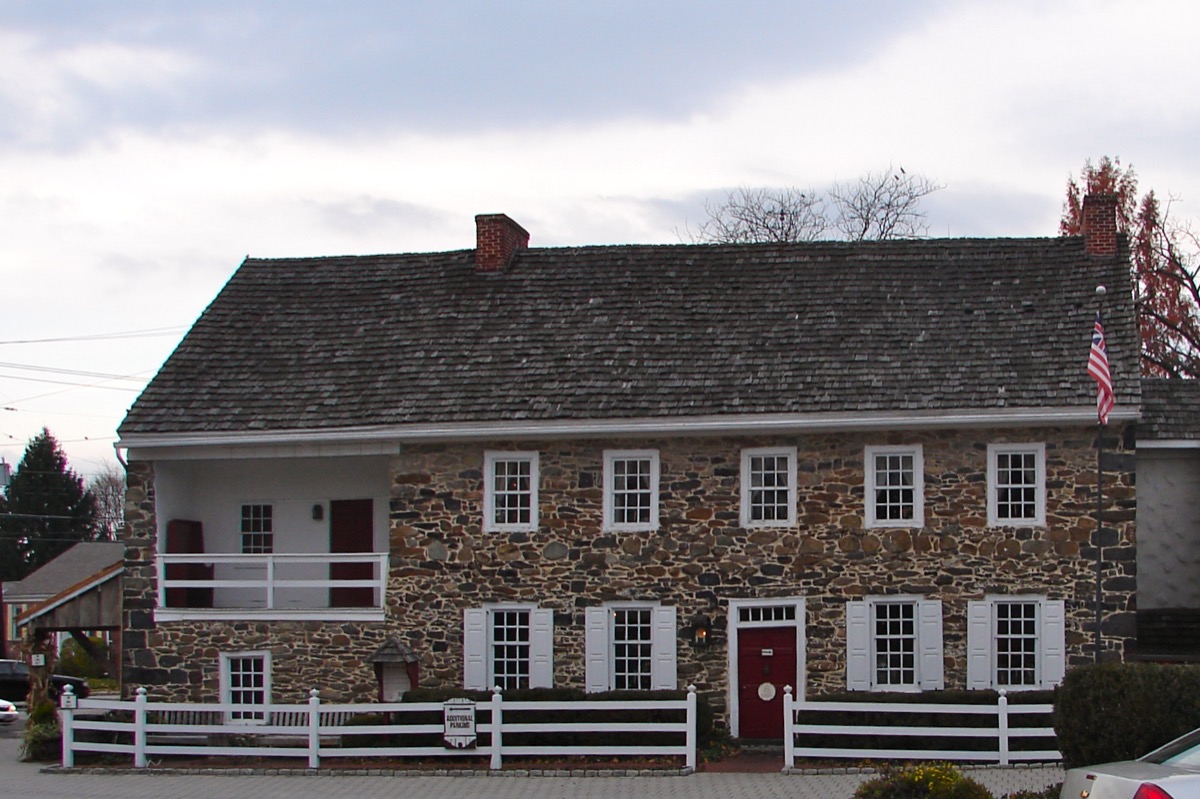
The general was William Barksdale, who commanded a Mississippi brigade and led the charge on the Union line at the Peach Orchard. On July 2, 1863, an artillery shell tore into his knee and left foot, and a musket ball struck him in the chest and knocked him from his horse. His men fell back in the Union counterattack without him. Captured, he was carried to Jacob Hummelbaugh's farmhouse, a two-story log house with shiplap siding, built in the 1840s about 300 feet west of the Taneytown Road. The widower's home sat behind the Union II Corps lines, and the corps was using it as a field hospital. Barksdale died there the next day.
His recorded last words: "I am killed! Tell my wife and children that I died fighting at my post."
They buried him under a cherry tree in the farm yard, with a crude wooden marker. He didn't stay long. In January 1867, his nephew, Lt. Harris Barksdale, came for the remains and took them home to Jackson, Mississippi, where the general lies today at Greenwood Cemetery.
So much for the documented part. The legend is the dog. As it's told, Barksdale's favorite hunting hound was led to the grave, fell down onto the mound, and would not leave, howling there day after day even after the body was gone, until it died of grief and starvation. "As the old dog was led to his master's grave," the legend runs, "he fell down onto the ground and began to howl." On the anniversary of the general's death, the story says, the howl still rises behind the farmhouse, the faithful hound grieving from somewhere past this world. Visitors and ghost-tour accounts repeat it, though no named witness and no date were ever attached to the sound.
The record doesn't hold a dog. No widow came to Gettysburg, and no hound appears in any account from the time. The body was simply collected by a nephew four years later, from Washington, where it had been embalmed. The house stands today on National Park Service land, log walls and shiplap siding, normally closed and quiet, opened only for the occasional special event. Whatever howls in the yard on July's anniversary mourns a man who was carried away long ago, over a grave that no longer holds anyone at all.