The Empress of Little Rock

The Empress of Little Rock

🏚️ mansion

Little Rock, Arkansas

TLDR

A painter alone in the Empress of Little Rock's tower found the handleless attic door standing open. Hornibrook was waiting.

The Full Story

A painter working alone in the three-story octagonal tower came down to grab a screwdriver. The attic door above him had locked, which was strange, because the door didn't have a handle on the inside yet. When he came back up, the door was standing open. A man in a period suit and top hat was there.

That painter's story is the cleanest the Empress has, and it's not the only one. Former owner Robert Blair has described a gentleman in a top hat floating down the staircase. Workers during a kitchen renovation watched a man in nineteenth-century clothing walk down the same stairs in broad daylight. The figure shows up enough that the staff who've spent the most time inside the house have a name for him. They think it's James Hornibrook, the man who built the place and never quite left it.

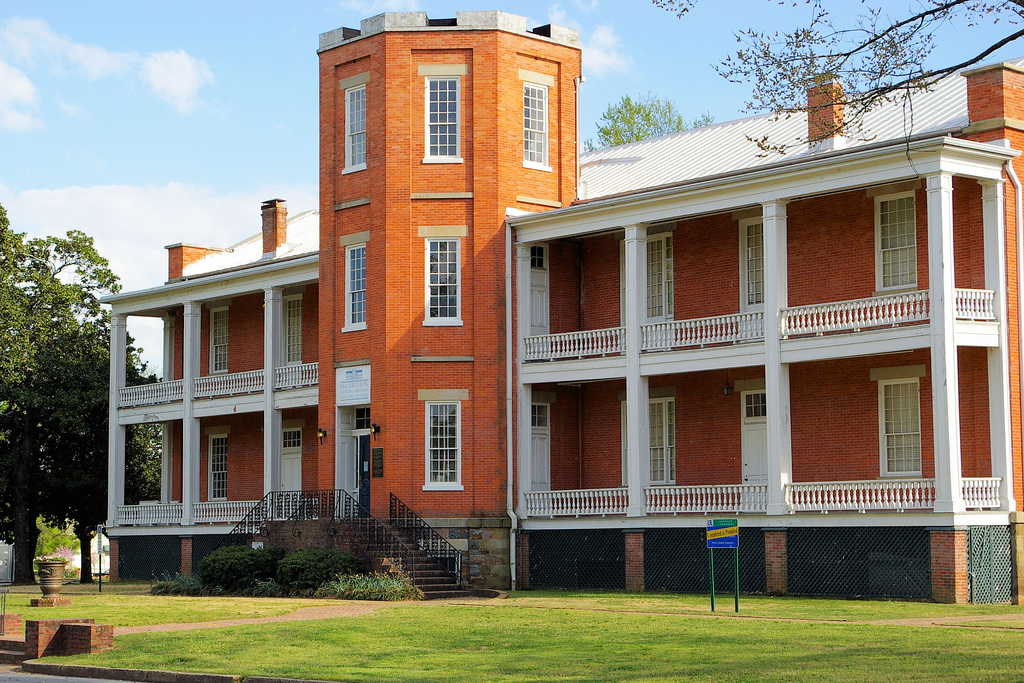
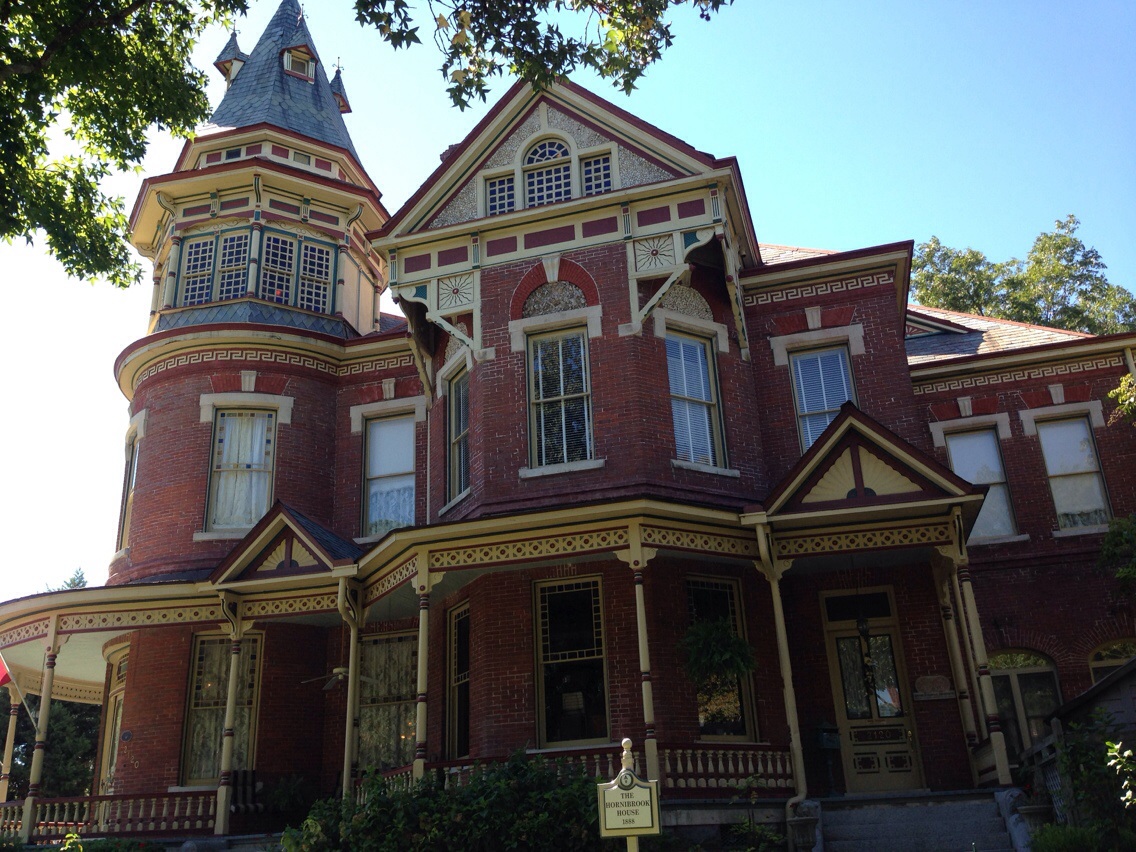
Hornibrook had a brick Queen Anne with seven thousand two hundred square feet, a wraparound porch, a stained-glass skylight, parquet floors, and that octagonal-roofed tower at one corner of the house. Architects Max Orlopp and Casper Kusener finished it in 1888 at a reported cost of twenty thousand dollars, built using only Arkansas materials. The National Register of Historic Places, which added the house on July 30, 1974, called it "the best example of ornate Victorian architecture in Arkansas." It sits at 2120 South Louisiana Street, in the Quapaw Quarter, and it's a contributing property in the Governor's Mansion Historic District. It's on the National Register. It's not a National Historic Landmark, despite what a few aggregator pages claim.

Hornibrook had something to prove. He'd come down from Toronto in 1867 with his wife Margaret, and he ran a liquor and saloon partnership with Miles Q. Townsend for twenty-two years. Scott Street society wouldn't have him. So when his competitor Angelo Marré finished Villa Marré nearby, Hornibrook set out to build the most extravagant house in the state and put it on a hill where everyone could see it. He pulled it off, and then he barely got to live in it.

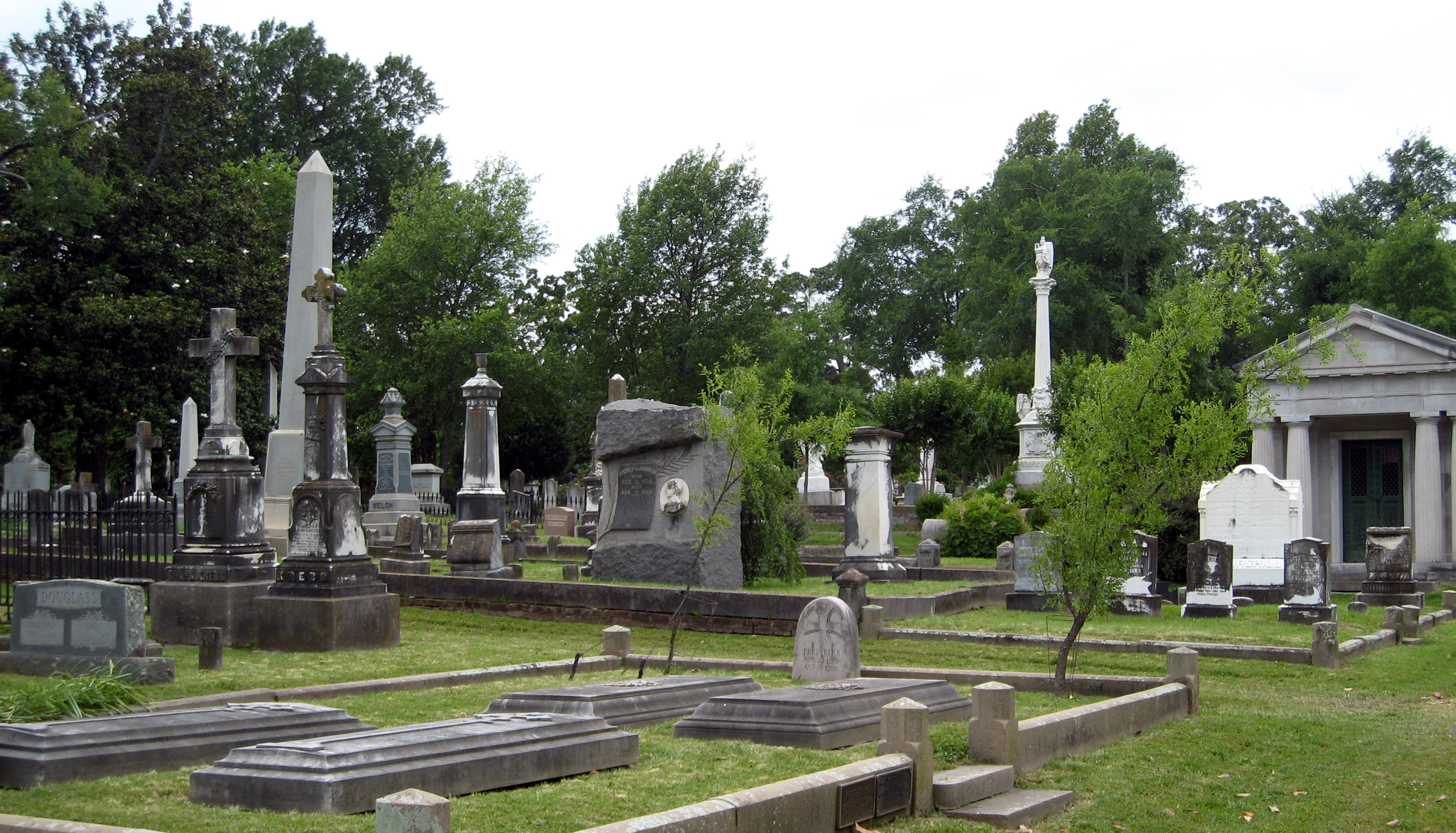
On a trip to Italy, Hornibrook commissioned a marble death mask of his own face. He was so sure he'd die young that he wanted the face preserved while it was still alive. The mask hangs inside the building today. On May 24, 1890, two years after moving in, a delivery boy found him dead inside the front gate around six in the morning. He'd had an apoplectic stroke walking home from what one account calls a "gentleman's evening" at his saloon. Three hours dead by the time he was found. He was forty-nine. Margaret died in 1893, possibly at the same age. He's buried at Mount Holly Cemetery.

After Hornibrook, the house wore other lives. In 1897 it became Arkansas Women's College under Rev. E. M. Pipkin, the first women's college in the state. Colonel Asbury S. Fowler, U.S. Marshal from 1902 to 1906, and his wife Rosa lived there until 1922. It sat empty through the Depression. Then it was a boarding house. Then a nursing home. By the 1990s it was on the edge of being lost. Sharon Welch-Blair and Robert Blair started restoring it in 1993 and opened it as The Empress of Little Rock B&B in 1994. The Empress's own history says 1994; a couple of aggregator sites put it at 1993 or 1995, but the owners would know. Antonio Figueroa and Keith Sandridge bought the house in 2019 and run it now.

The ghost roster everyone agrees on has four entries. The man in the top hat (Hornibrook). A woman in pink who appears outside guest-room doors and watches. An African American woman in maid's clothing who keeps to the second-floor rooms and the maid's closet. And a figure dressed like a sea captain who turns up in the halls and guest rooms. No source pins the sea captain to a specific room, which is honest of the lore. Guests have also described bed indentations next to them, as if someone unseen sat down on the mattress.

The third-floor tower is where the house gets strangest. It hides a room called the Gentleman's Gambling Room, a poker space tucked into the attic at the top of the rounded tower. The story goes that Hornibrook kept card games running there all night, positioned high enough to watch downtown for raids on his saloon. People who've been in the house at night have described laughter, chatter, and the clink of glass coming from up there with nobody inside. Playing cards have turned up scattered across the floor. The attic gets cold enough in the summer that guests have grabbed winter layers. One regular out-of-state guest has described a floating black mass coming between her and her bedroom lamp. A controller for an electric fireplace has been found moved or switched on overnight. Doors open on their own. Furniture drags somewhere overhead.

A few common haunted-house clichés don't fit here. There's no story of bullet holes in the gambling room that holds up to a second source, so skip that one. There's no recording from a paranormal investigation team, no EVPs, no instrumented evidence. What the Empress has is a steady record of owners and workers and guests describing the same four figures, the same tower noises, the same cold attic. The history is so specific (the saloon, the death mask, the morning at the front gate) that the ghosts get to be specific too. This is what separates a real haunted house from a haunted-house bit: the man on the stairs has a name, a job, a stroke, a burial plot.

You can book a room. The named suites include Hemingway, Majestic, Victoria's Garden, Eliza Cunningham, Pagoda, Chatelaine, Washburn-Welch, and Petit Jean. The death mask is somewhere inside, in marble, ordered by a forty-nine-year-old man who was right about the deadline.

Researched from 7 verified sources. How we research.