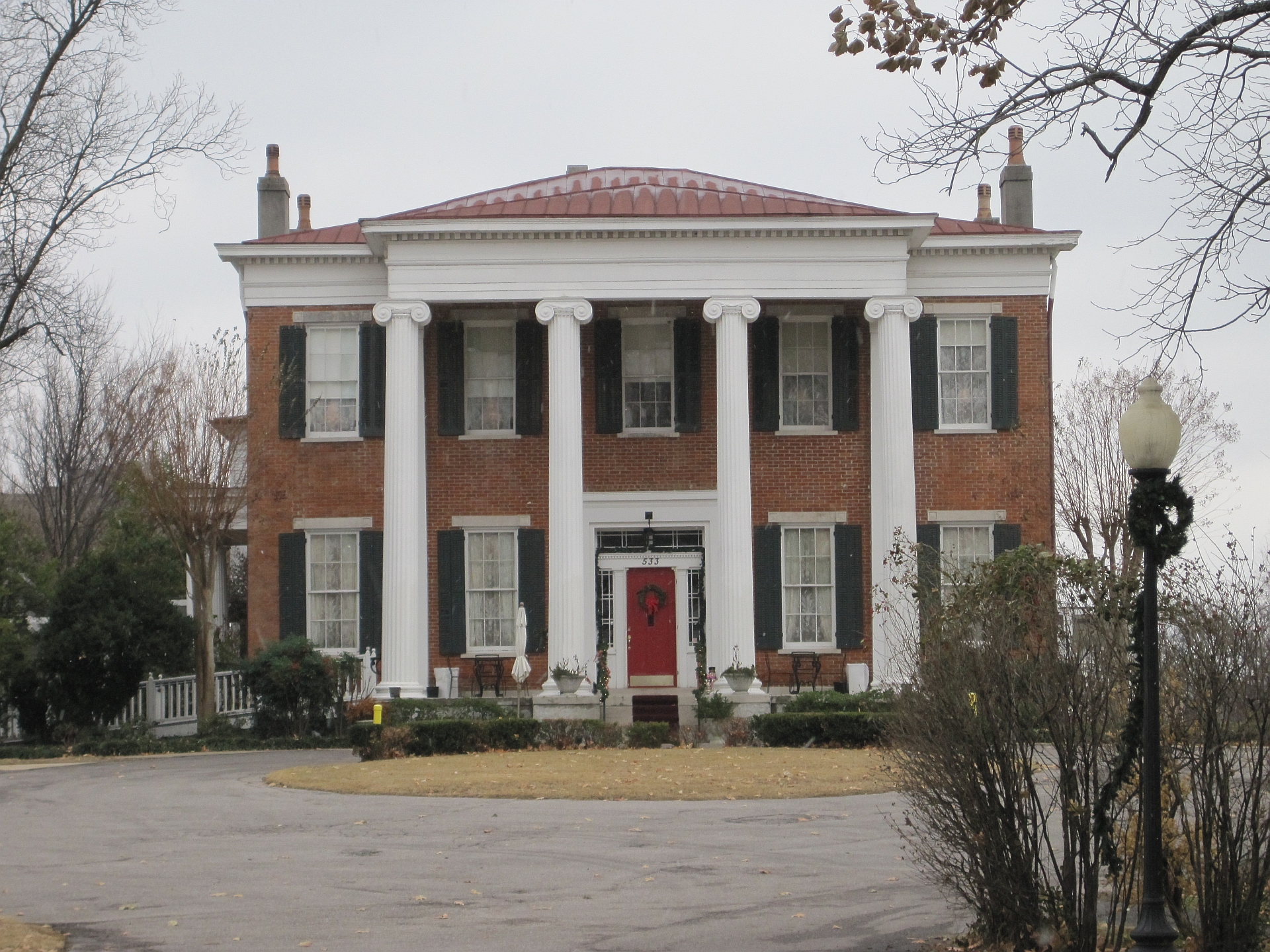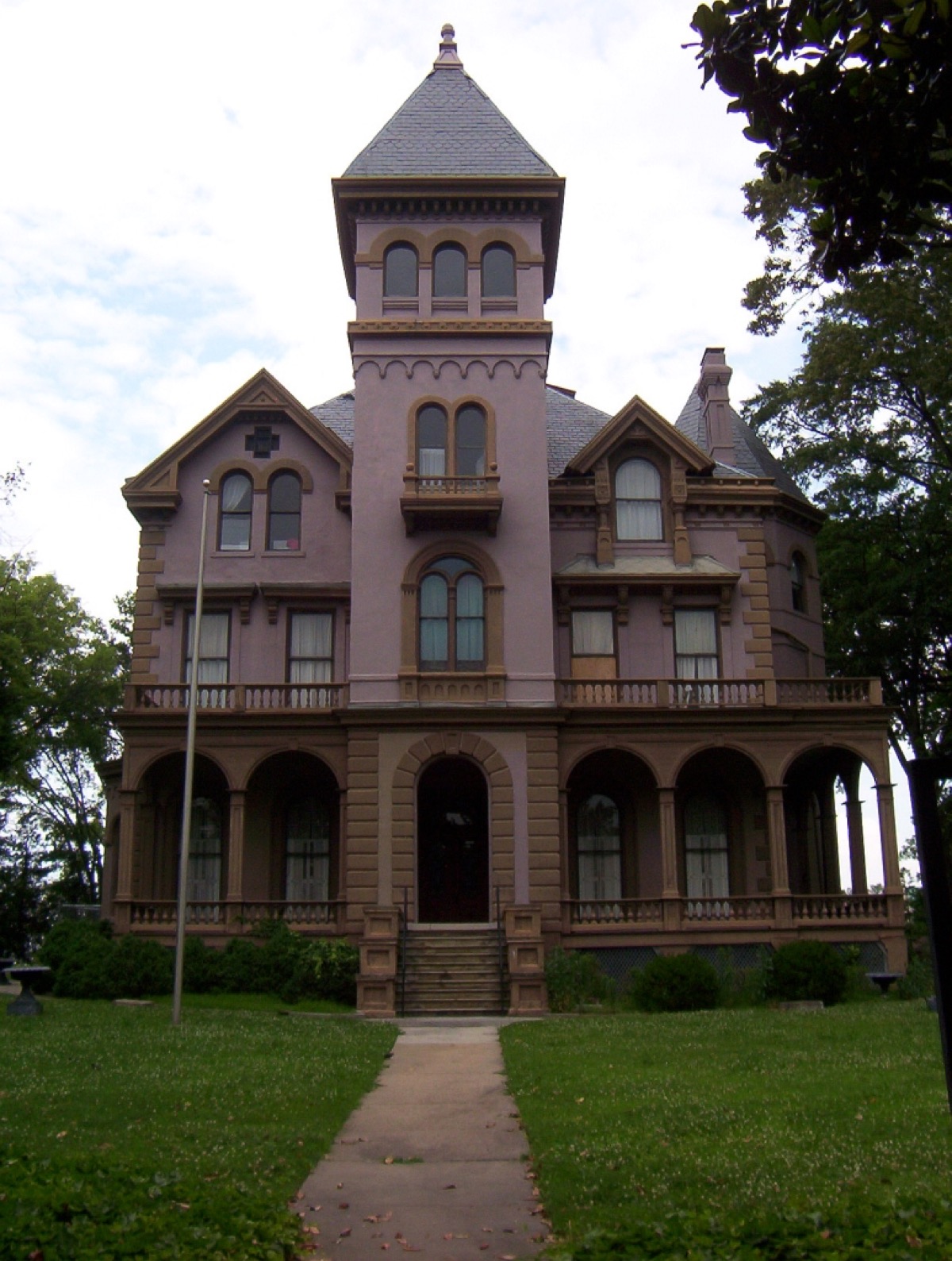
Mollie Woodruff married in the Woodruff-Fontaine House in Memphis and lost nearly everything inside it. Staff still meet her in her old Rose Room, where the roped-off bed keeps showing a fresh body-shaped dent, and a voice once corrected how the furniture had been moved.
There's a bed on the second floor of the Woodruff-Fontaine House in Memphis that visitors aren't allowed near. It's roped off, made up, and untouched. Staff and visitors keep finding the same thing on the bedspread: a shallow, body-shaped depression, as if someone had been sitting on the edge of it and stood up a moment before you walked in.
The room is called the Rose Room, for its rose-patterned wallpaper, and it belonged to Mollie Woodruff. One day a museum staffer went in to rearrange the furniture. Alone in the empty room, she heard a voice say, plainly, "My bed doesn't go there." She put it back.
Mary Louise "Mollie" Woodruff was the daughter of the man who built it. Amos Woodruff was a New Jersey carriage-maker who came to Memphis and made a fortune in banking and railroads, and the mansion he finished in 1871 hosted the family's weddings, including Mollie's, the first ever held there, to a man named Egbert Wooldridge.
The house took most of what she had. Both of her children died shortly after birth. Her husband died upstairs in the back bedroom, though accounts differ on how. Mollie outlived all of it. She remarried in 1883, a man named James Henning, moved out of the house for good, and died elsewhere in 1917, an old woman.
The Rose Room was her old bedroom, and it's where people keep meeting her. Visitors report the smell of roses with no flowers in the room, a sudden cold, a woman in a long white gown near the bed or the window who is gone when they look again. A team led by investigator Rich Newman recorded more than 20 EVPs of a woman's voice on the second floor near her room, including a "Hello" nobody heard while they were standing there. They also caught, on tape, a chair scraping about 2 inches across the floor.
Not everything in the house is gentle. On the first floor, investigators describe a second presence, a bitter male one, credited with a flat "No" on a recorder and with tearing a necklace off a staff member's throat. The museum leans into all of it and bills itself as the most haunted place in Memphis.
But the story that stays with you is the quiet one upstairs. Of everyone this house touched, Mollie Woodruff is the one who actually got out. She buried her babies and her first husband here, then left, remarried, and lived on for years far from Adams Avenue. The living woman escaped the room. The bed she left behind is the thing that speaks up when someone moves it.