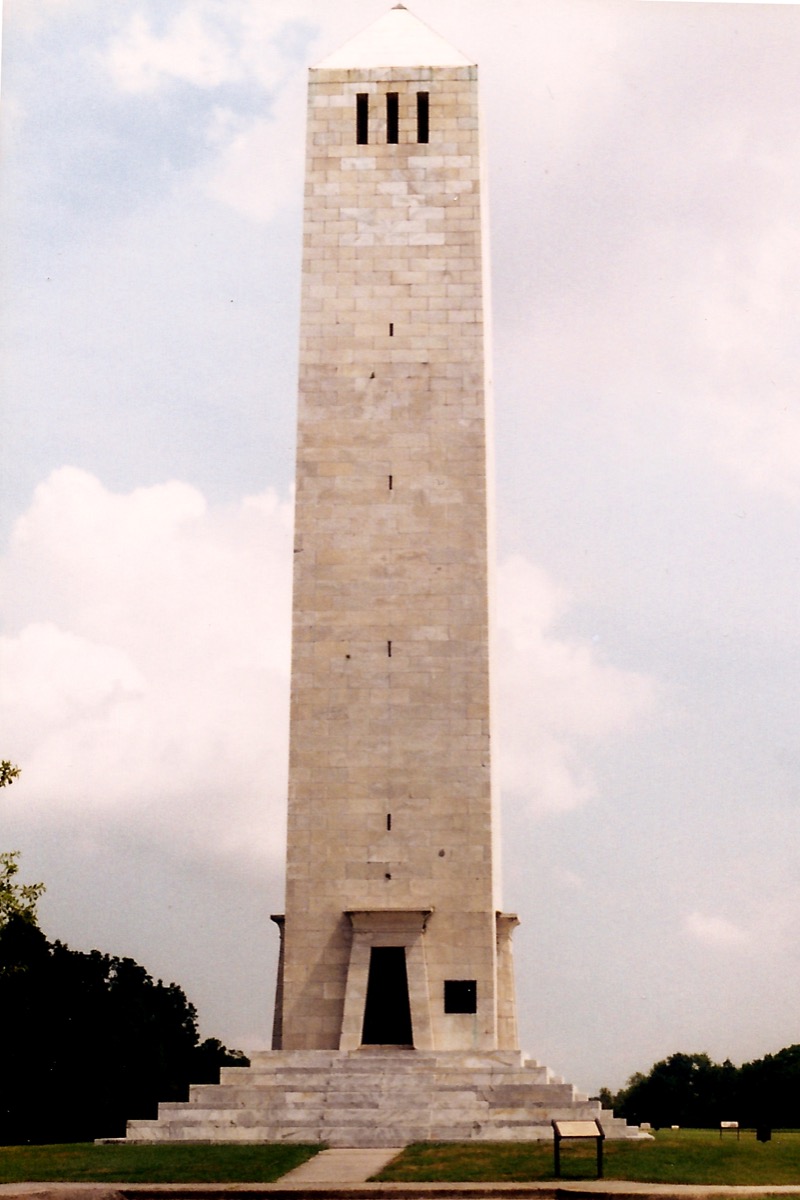
Visitors to Chalmette Battlefield outside New Orleans report soldiers in both uniforms walking the old line, as if still in camp. Hundreds of British men died here in half an hour. Two centuries on, no one can say where their bodies went.
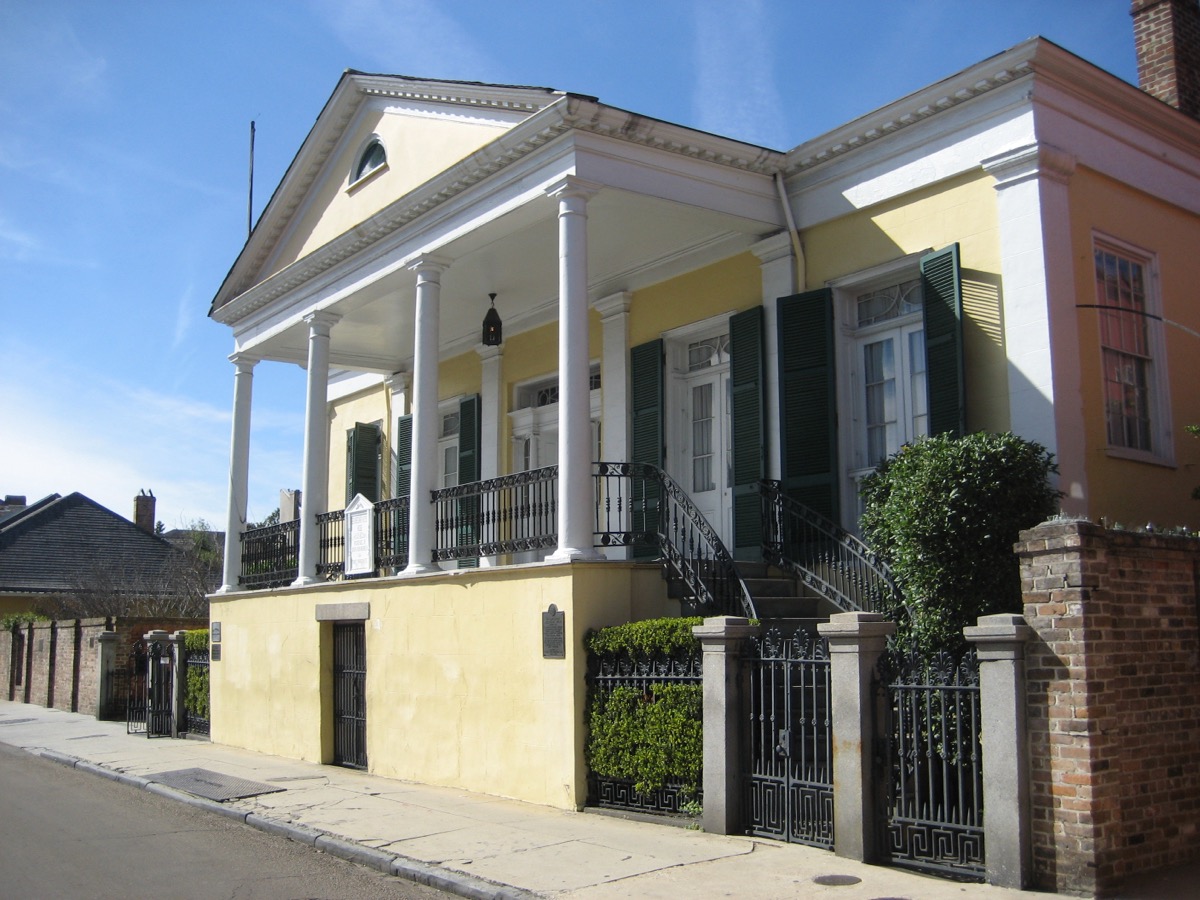
At Chalmette Battlefield, on the flat ground southeast of New Orleans, people keep reporting soldiers who shouldn't be there. They pace the old American line in uniforms from two different armies, calm, unhurried, as if they're still in camp waiting for an order. Some accounts describe figures in period dress along the cypress treeline, gone on the second look. Sensitive visitors report cold spots and a "pulling sensation as if gravity has increased many times" against the rampart. In the Beauregard House nearby, staff have reported footsteps in empty rooms and shadow figures, though that house went up in the 1830s, almost two decades after the battle, and its lore is a separate strand entirely.
The thing that makes the place sit wrong is what actually happened here, and what came after.
On January 8, 1815, a larger British force charged Andrew Jackson's earthwork line along the Rodriguez Canal. It was over in about half an hour. Jackson's defenders were a famously mixed lot, frontiersmen and Louisiana militia, Free Men of Color, Choctaw, and Jean Lafitte's pirates, and they cut the attack apart. The British lost well over 2,000 men, roughly 285 to 291 of them killed outright. Jackson lost around 71, 13 of them dead, one of the most lopsided counts in American military history. The war was already over. The Treaty of Ghent had ended it two weeks before, on December 24, but the news was still crossing the Atlantic by ship, and neither army knew. For decades afterward, January 8 was a national holiday, celebrated like the Fourth of July.
Then the bodies went missing.
Hundreds of British dead, and to this day nobody knows where they lie. They aren't in the national cemetery on the grounds, which is a Civil War burial ground for Union soldiers. The officers, Pakenham among them, were embalmed and shipped home to Britain in rum barrels. The rest are a genuine open question, possibly buried where they fell, possibly under an old aluminum smelter behind the British line, possibly lost to the swamp and floodwater. In 2000, National Park Service archaeologists searched the battlefield for the mass graves and found nothing. "If they were buried there, we found no evidence," said NPS archaeologist John Cornelison.
A Tulane historian put it plainly. "It is one of the great mysteries of the battle."
So the figures keep pacing the line. And the men they're said to be have no graves anyone has ever found.